Ban-Jelačić Square
Ban-Jelačić Square
The civic heart of Zagreb, Ban-Jelačić Square concentrates four centuries of Croatian history, an emblematic equestrian statue and the Manduševac fountain.
Ban-Jelačić Square is the beating heart of Zagreb. This pedestrian esplanade stretching over 100 metres, dominated by the equestrian statue of Ban Josip Jelačić, functions as a civic hub, meeting place and tram interchange. Its history encapsulates four centuries of Croatian urban and political transformation.
Why visit Ban-Jelačić Square
- Geographic and symbolic centre of Zagreb, at the junction between Upper Town (Gradec, Kaptol) and Lower Town
- Emblematic equestrian statue, featured on the old 20 kuna banknotes until the euro adoption in 2023
- Manduševac fountain linked to the founding legend of the name "Zagreb"
- Architectural mosaic of the 19th and 20th centuries (classicism, Secession, modernism)
- Logical starting point for heading to Dolac market, the cathedral and Upper Town
History of the square
A market was established here in 1641, on a plain situated below Upper Town, near the Manduševec spring. The space gradually urbanised: the oldest building still standing dates from the 18th century. In 1826, livestock sales were moved to the present-day Zrinjevac park, but food stalls continued to occupy the square until 1858.
In 1866, the imperial authorities erected the equestrian statue of Ban Josip Jelačić. The choice provoked protests from Zagreb city councillors and indignation from the Hungarians, who saw Jelačić as a traitor to the crown of Saint Stephen.
In 1946, the Yugoslav communist regime renamed the esplanade Trg Republike (Republic Square). The statue was removed the following year: Jelačić was judged a "servant of foreign interests". It was saved by Antun Bauer, curator of the Gliptoteka gallery, who stored it in the museum's cellar for more than four decades.
After the war, the square was overwhelmed by car traffic, before being returned to pedestrians. Renovations carried out for the 1987 Universiade brought new stone paving. In 1990, on the eve of Yugoslavia's dissolution, the statue was reinstalled and the square reclaimed its historic name.
On 16 July 2018, approximately 550,000 people according to the authorities welcomed the national football team there, finalists in the FIFA World Cup — one of the largest gatherings in Croatia's recent history.
What to see
The statue of Josip Jelačić
The Ban is depicted in full dress uniform, sabre raised, mounted on his horse. Originally, the work was oriented towards the north, in the direction of Budapest — an deliberate political gesture. When it was reinstalled in 1990, it was turned towards the south, a discreet yet legible testimony to the political shifts the square has undergone.
Local residents arrange to meet "pod repom" ("under the tail"), that is, behind the horse. The expression has entered everyday Zagreb vernacular. The image of the statue appeared on 20 kuna banknotes until the switch to the euro in 2023.
The Manduševac fountain
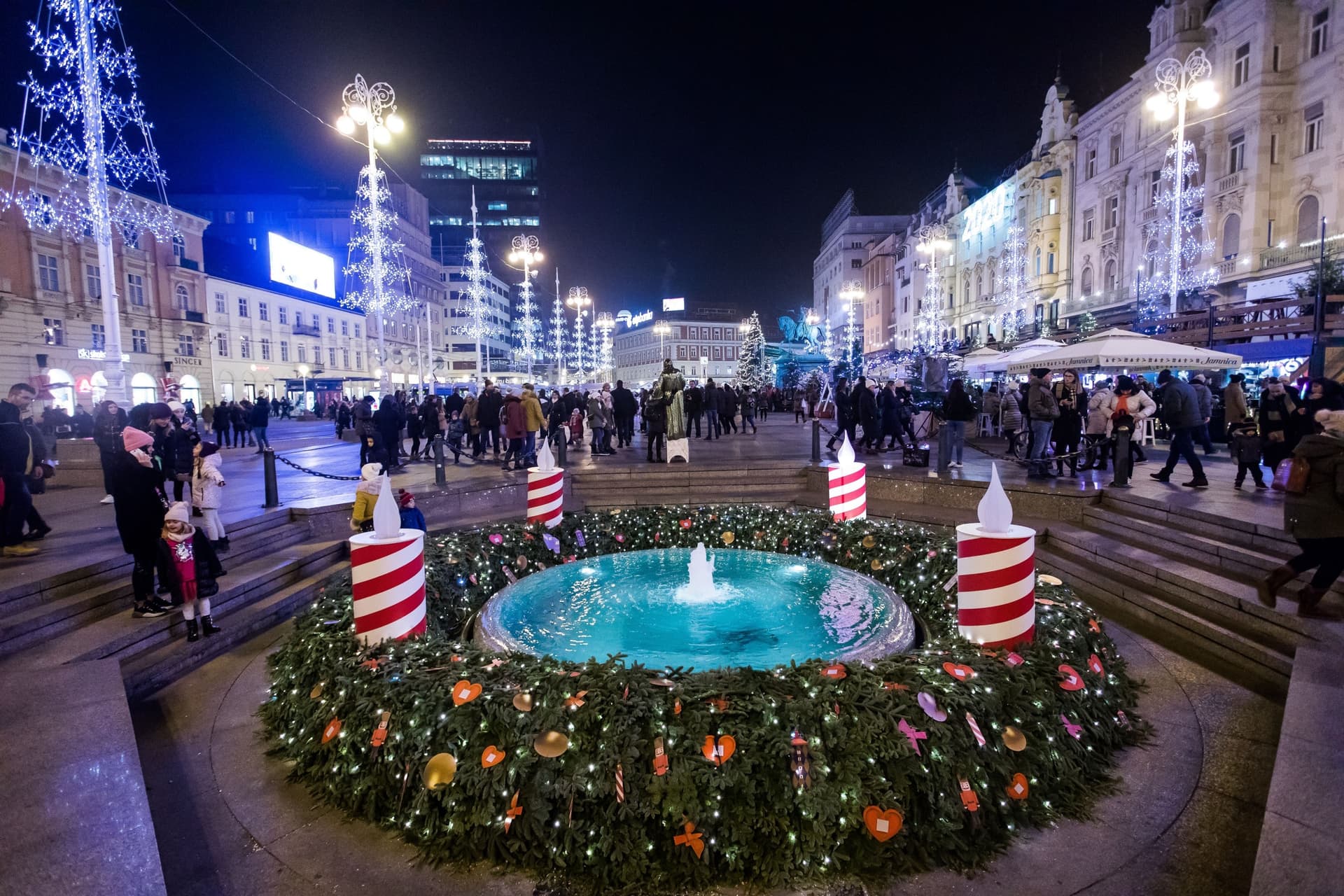
At the southern end of the square, an octagonal stone basin marks the location of the Manduševac spring, which once supplied the city with drinking water. A legend connects this water source to the origin of Zagreb's name: a thirsty nobleman allegedly asked a young girl named Manda to fetch him water, using the Croatian verb "zagrabi" (fetch). From Manda + zagrabi, Zagreb is said to have been born.
Visitors toss coins into it to make a wish, following the tradition of European fountains.
The surrounding architecture
The façades bordering the square blend 19th-century classicism, Viennese Secession from the 1900 turn and interwar modernism. The Zagrepčanka building and Janko Holjac's apartment building are among the most recognisable.
Practical information
- Location: below the hills of Gradec and Kaptol, just south of Dolac market
- Pedestrian access: the square is entirely pedestrianised and sits at the intersection of Ilica, Radićeva, Splavnica, Harmica, Bakačeva, Jurišićeva, Praška and Gajeva streets
- ZET trams: lines 1, 6, 11, 12, 13, 14 and 17 during the day; 31, 32 and 34 at night
- Visiting time: allow 20 to 40 minutes for the square and fountain, longer if you venture towards Dolac and the cathedral
- Activities: the square regularly hosts concerts, seasonal markets (notably Zagreb Advent, several times voted Europe's best Christmas market) and public gatherings
- Admission: free access
What to see nearby
The square is the best starting point to explore Zagreb's historic centre on foot:
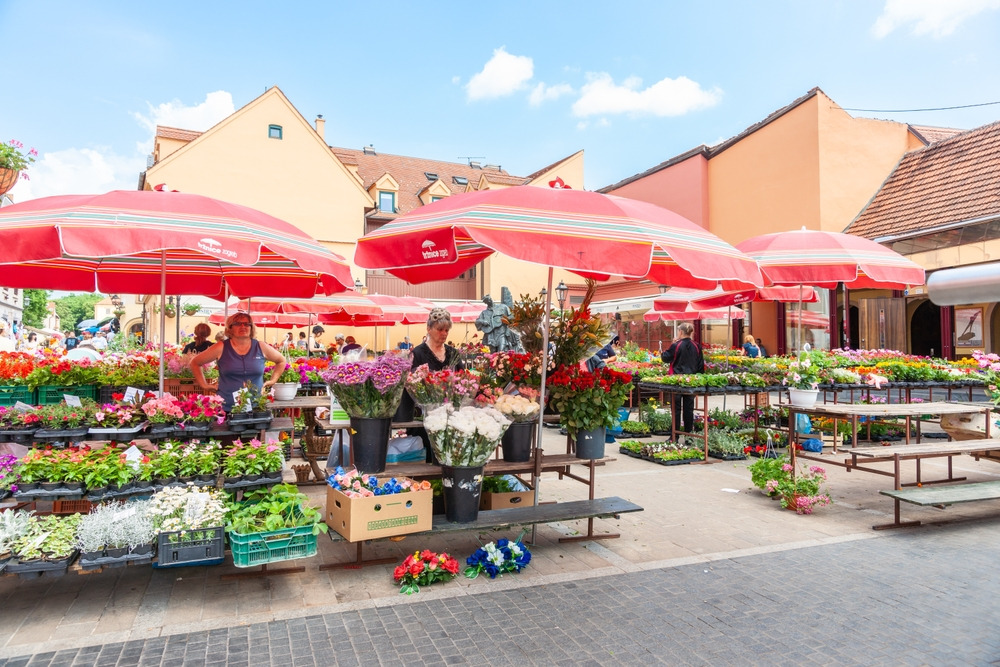
- Dolac market, 2 minutes north, beneath its characteristic red umbrellas
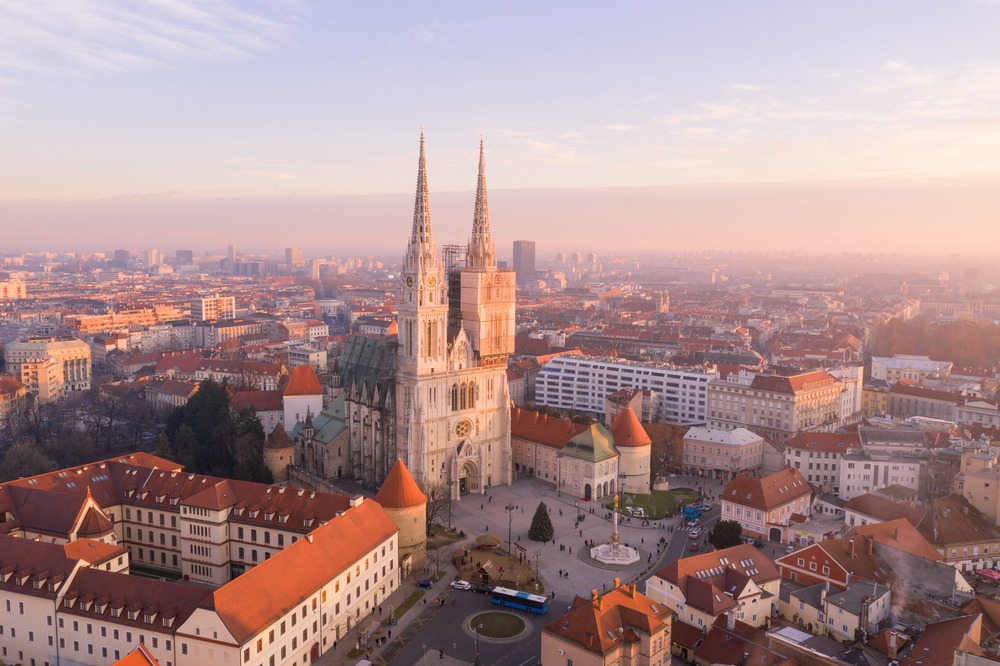
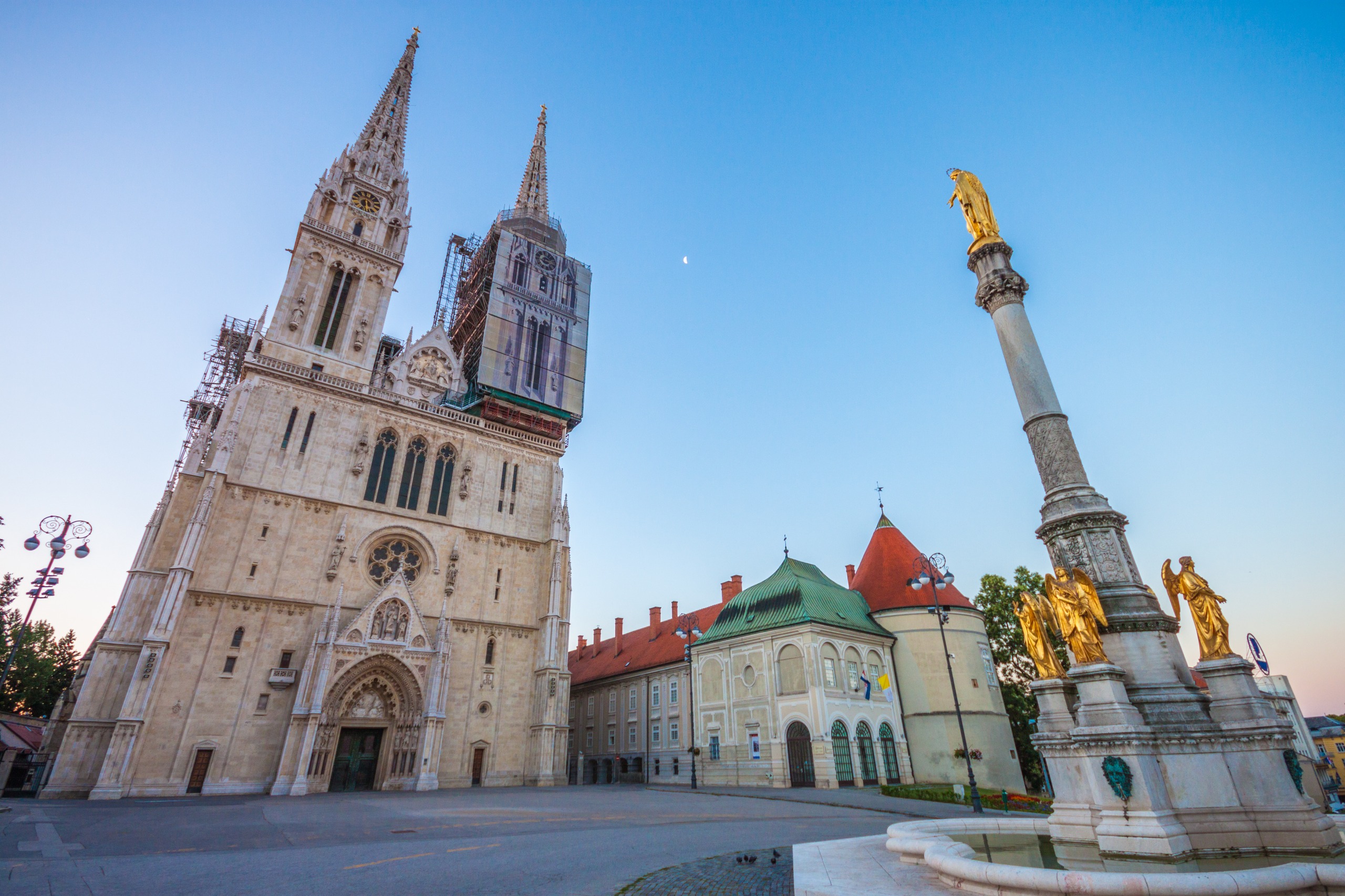
- The Zagreb cathedral, a 5-minute walk away, on Kaptol hill
- The historic Gradec quarter, accessible by funicular or Radićeva street, with St Mark's Church and the Lotrščak Tower
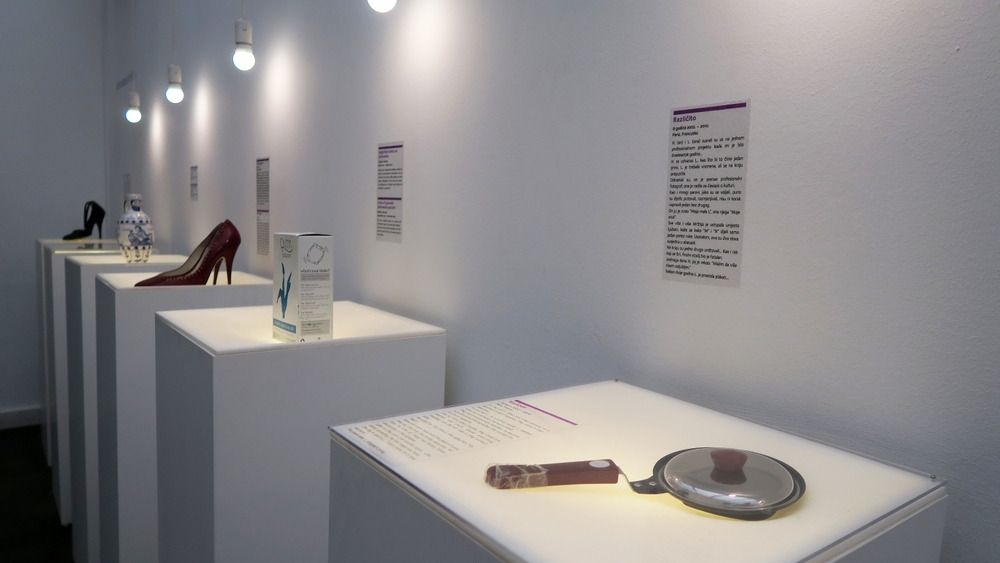
- The Museum of Broken Relationships, in Upper Town
To plan a broader itinerary including Zagreb, consult our Croatia tours.
Nearby
Interested in this visit?
We can include it in your personalised itinerary.