Complete guide to Croatia
Croatia stretches across an 1,800 km Adriatic coastline and a continental hinterland that many travelers underestimate. From our agency in Zagreb, we see the same iconic images return: the ochre ramparts of Dubrovnik at sunset, the turquoise waterfalls of Plitvice after May rains, the polished streets of Split around Diocletian's Palace, and the fishing ports of Istria that smell of grilled sardines and Buje olive oil.
The country divides into four distinct regions. Dalmatia concentrates the islands (Hvar, Vis, Korčula, Mljet) and museum-cities. Istria, in the northwest, resembles a miniature Tuscany with its hilltop villages, white truffles in autumn around Motovun, and malvazija vineyards. Central Croatia, around Zagreb and Slavonia, retains a Central European character, with local gastronomy and thermal spas. Finally, the interior karst, Plitvice and Krka, offers national parks where water sculpts limestone rock.
Concretely, plan 10 to 14 days to combine Istria and Northern Dalmatia, or Split, the islands and Dubrovnik. Beyond 15 days, add Slavonia or a side trip to neighboring Bosnia. We guide you based on season: July-August are crowded on the coast, while May-June and September remain our preferred windows.
The regions of Croatia
Each region has its own personality: climate, landscapes, pace of life and ways of traveling. Our local team helps you choose the combination that suits you.
Istria
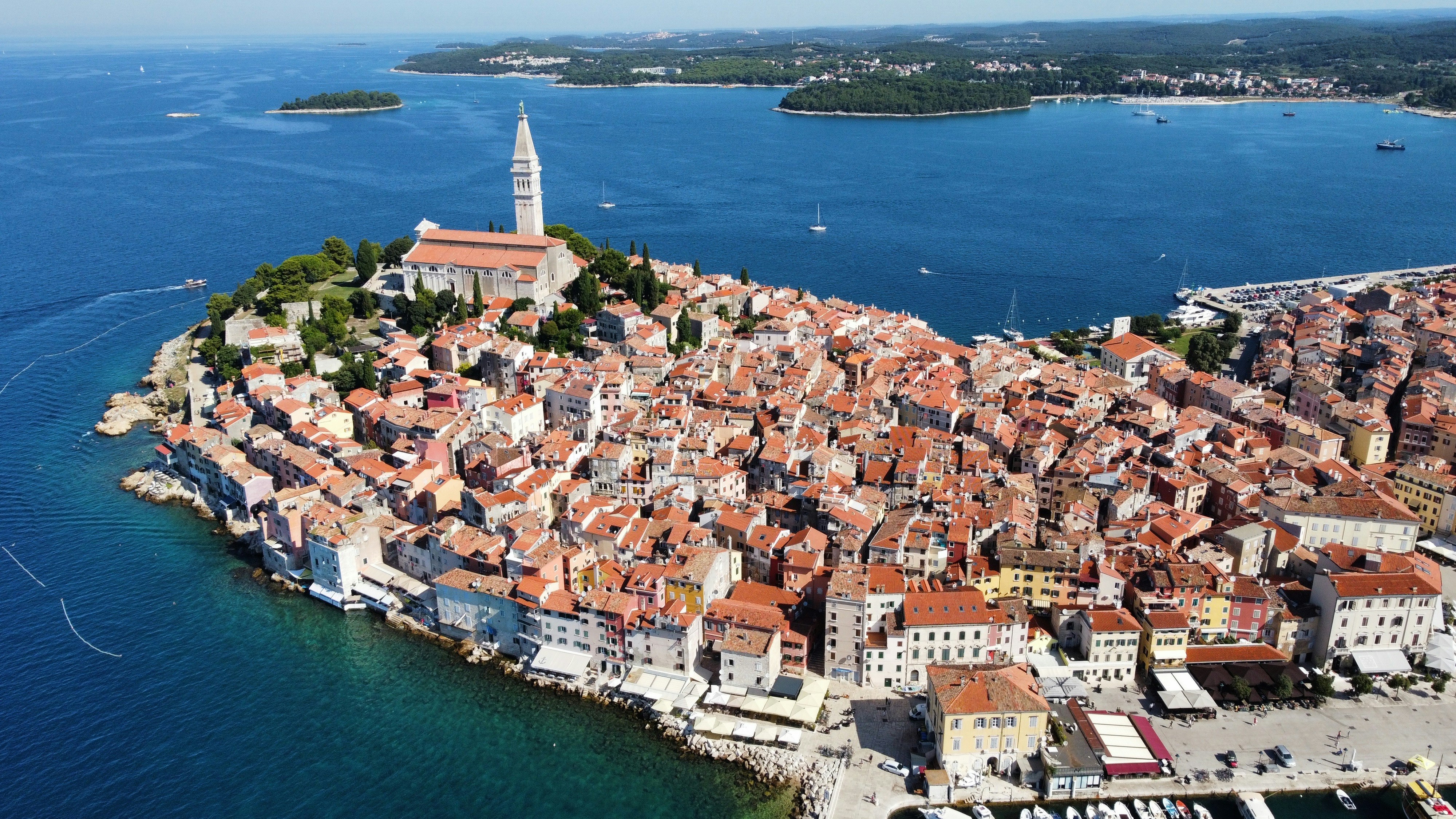
A heart-shaped peninsula in the north-west, Istria blends Venetian and Croatian influences. Rovinj with its leaning bell tower, Poreč and its 6th-century Euphrasian Basilica, Motovun and Grožnjan perched above truffle forests: you move slowly here, by car, along white roads. The interior produces olive oil, malvazija and teran. The west coast bathes in waters cooler than in Dalmatia, around 22 to 24 °C in July. We send travellers there who love combining gastronomy, villages and quiet swimming rather than islands and long crossings. Four to five days are enough to tour it.
Northern Dalmatia
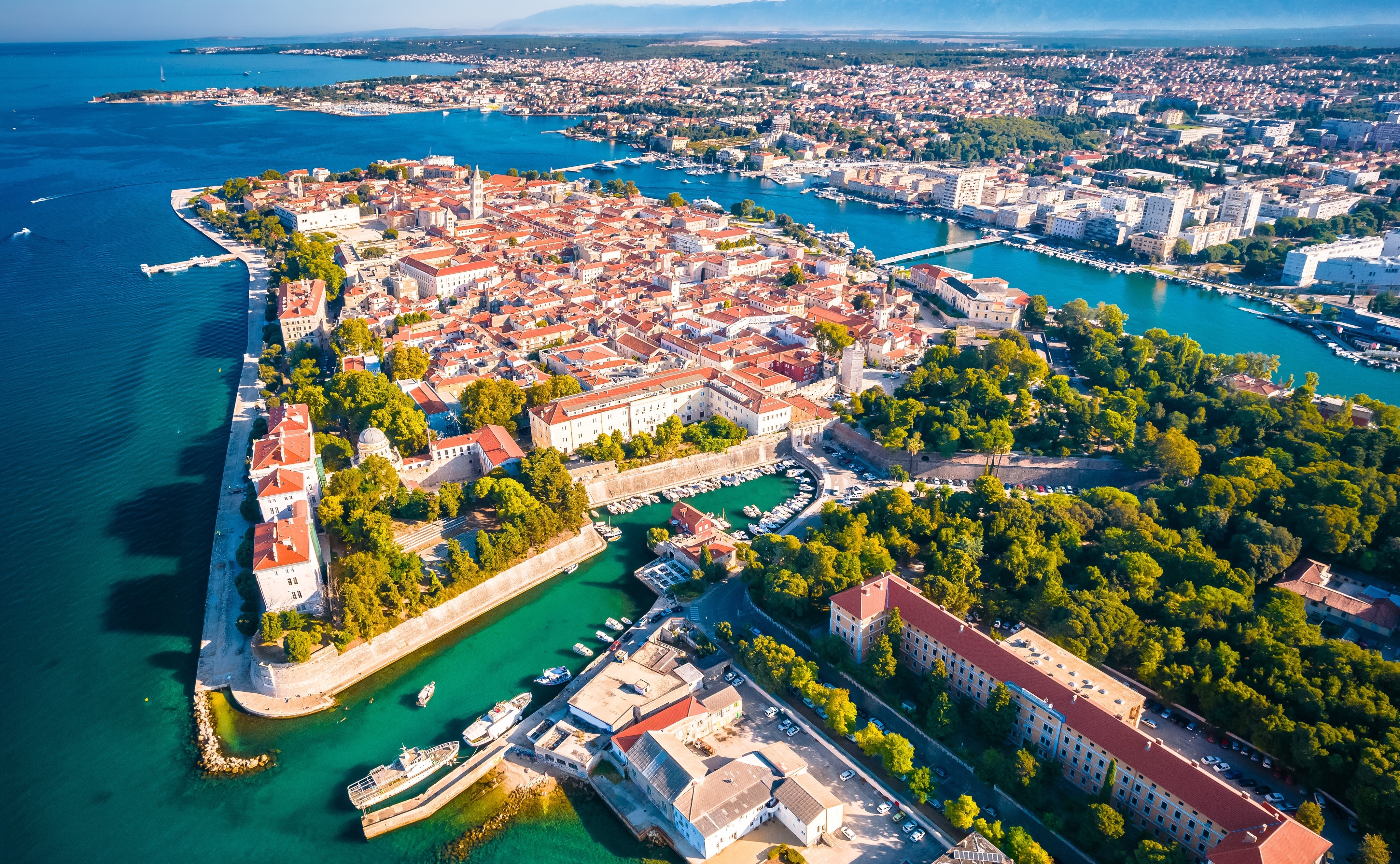
Around Zadar and Šibenik, the coast is studded with low-lying islands and national parks. The Kornati, an archipelago of 89 karstic islands, can be visited by boat on a day trip from Murter. Krka offers its waterfalls and its monastery on the Visovac islet. Zadar, often overlooked in favor of Split, retains a Roman forum and Nikola Bašić's sea organ. The Bukovica hinterland, dry and rocky, surprises with its austerity after the coast. Marked Mediterranean climate, 30 to 32 °C in peak summer. It's our preferred starting point for those who want to sail without Hvar's crowds.
Central Dalmatia and Islands
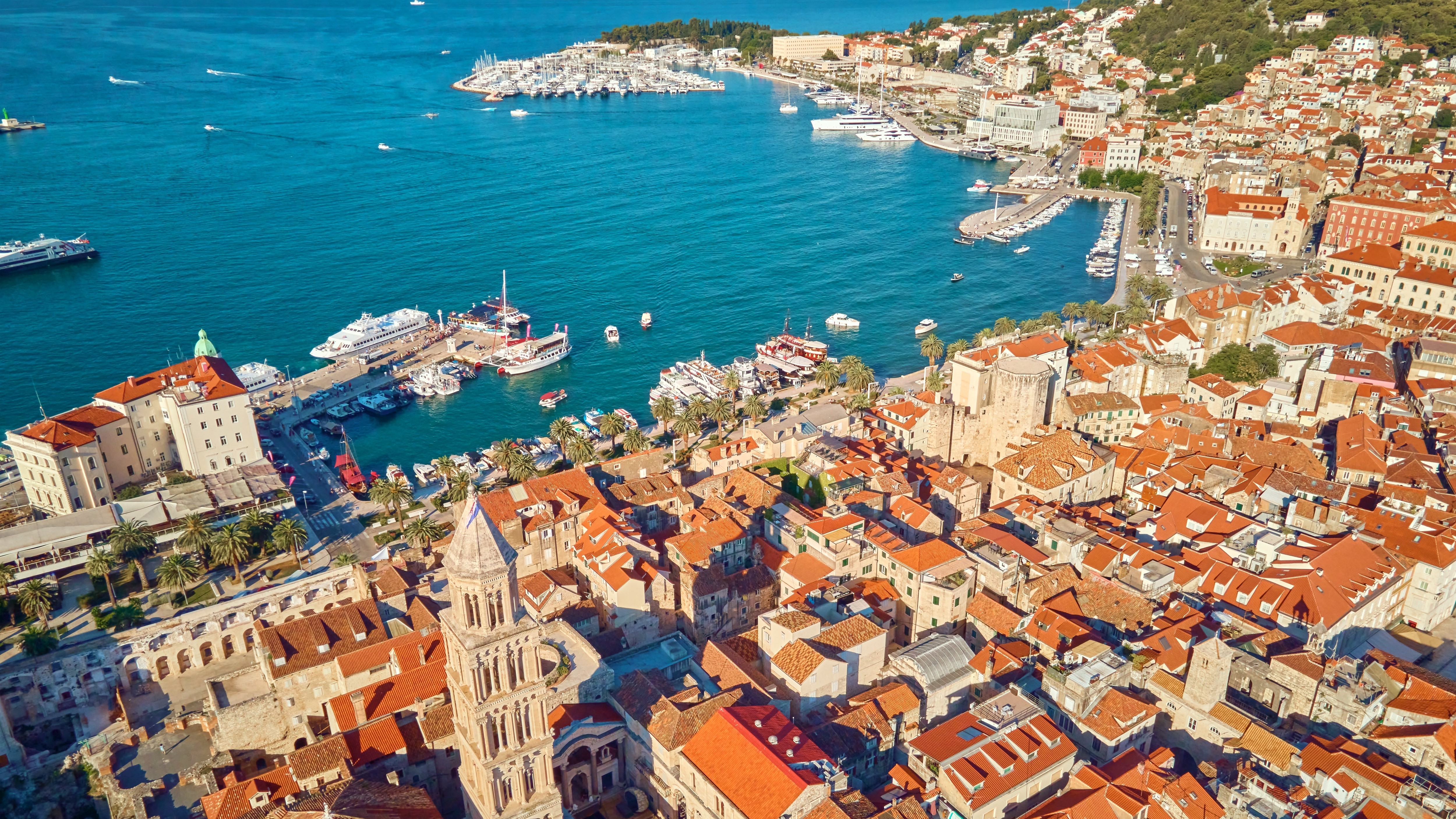
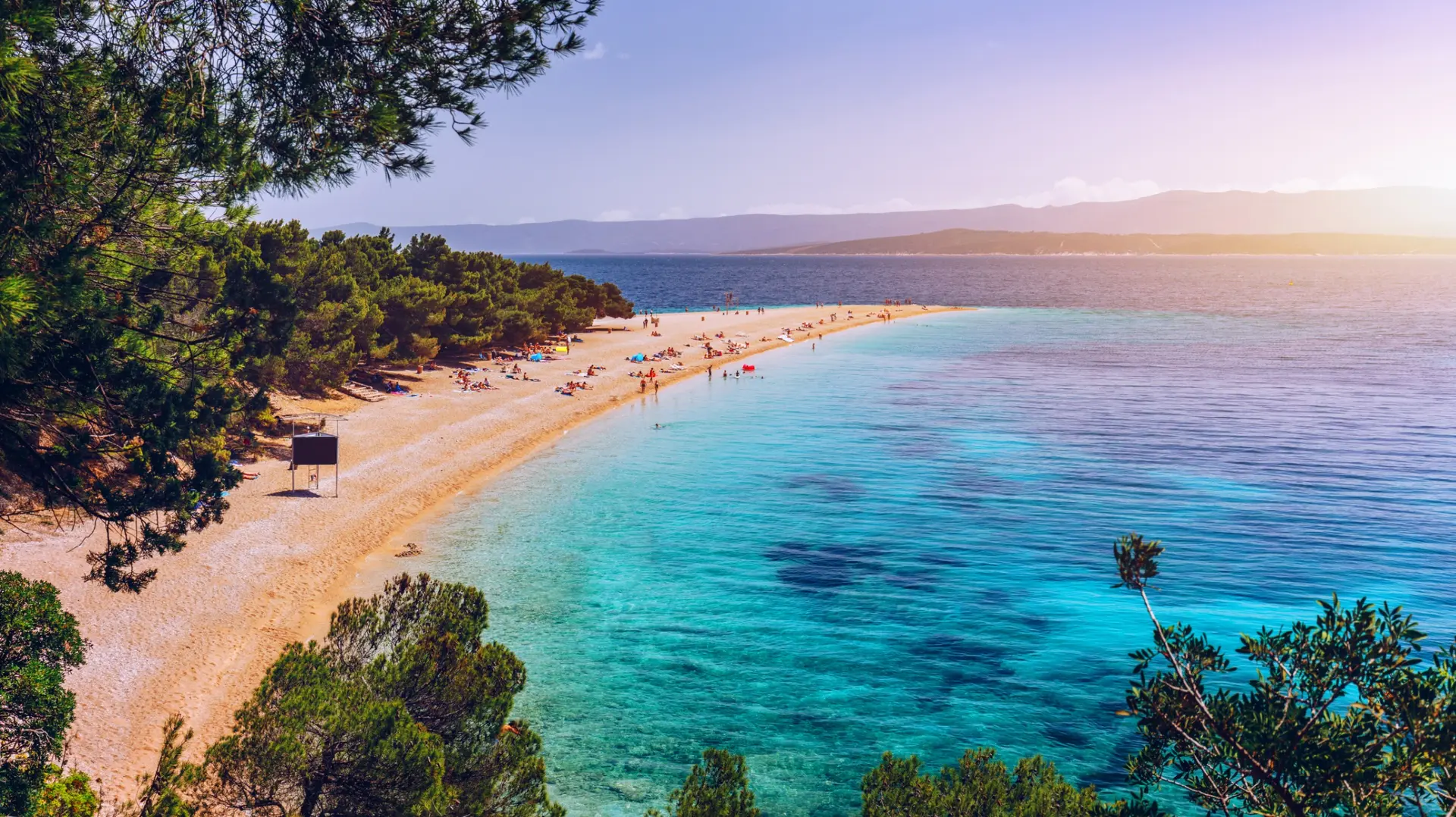
Split serves as a hub: Diocletian's Palace is still inhabited there, and the port connects Brač, Hvar, Vis and Korčula. Brač is home to Zlatni Rat beach, a shingle tongue that shifts with the wind. Hvar embraces a cosmopolitan vibe in summer, but its inland villages (Velo Grablje, Humac) remain peaceful. Vis, long closed as a military base, retains an austere atmosphere and excellent fish restaurants in Komiža. Allow a minimum of five days for two islands, using Jadrolinija ferries and fast catamarans. Our English-speaking team in Zagreb adjusts the itineraries to your pace.
South Dalmatia and Dubrovnik
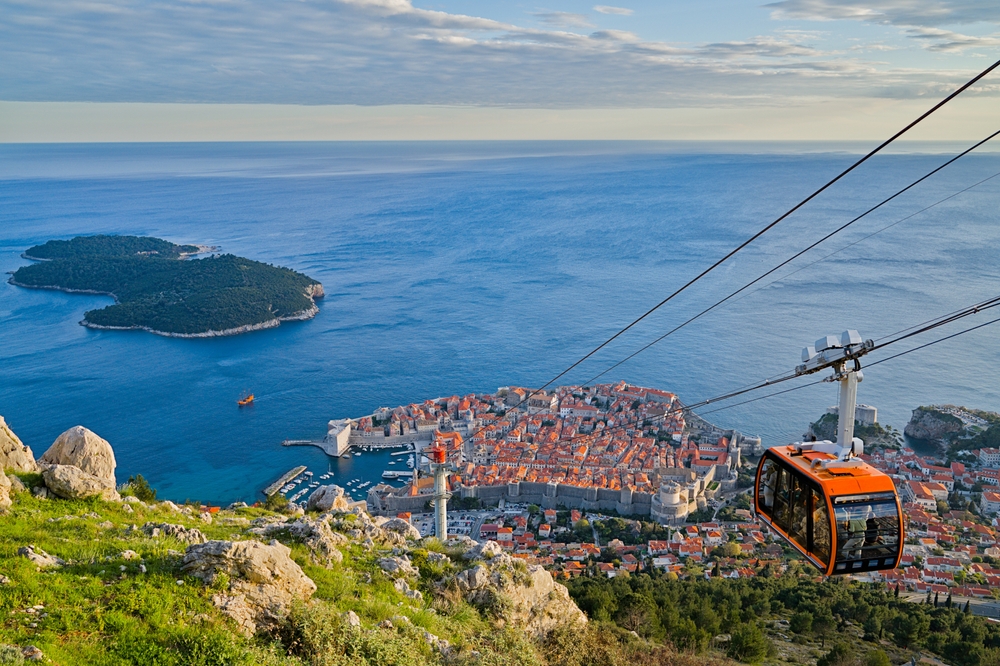
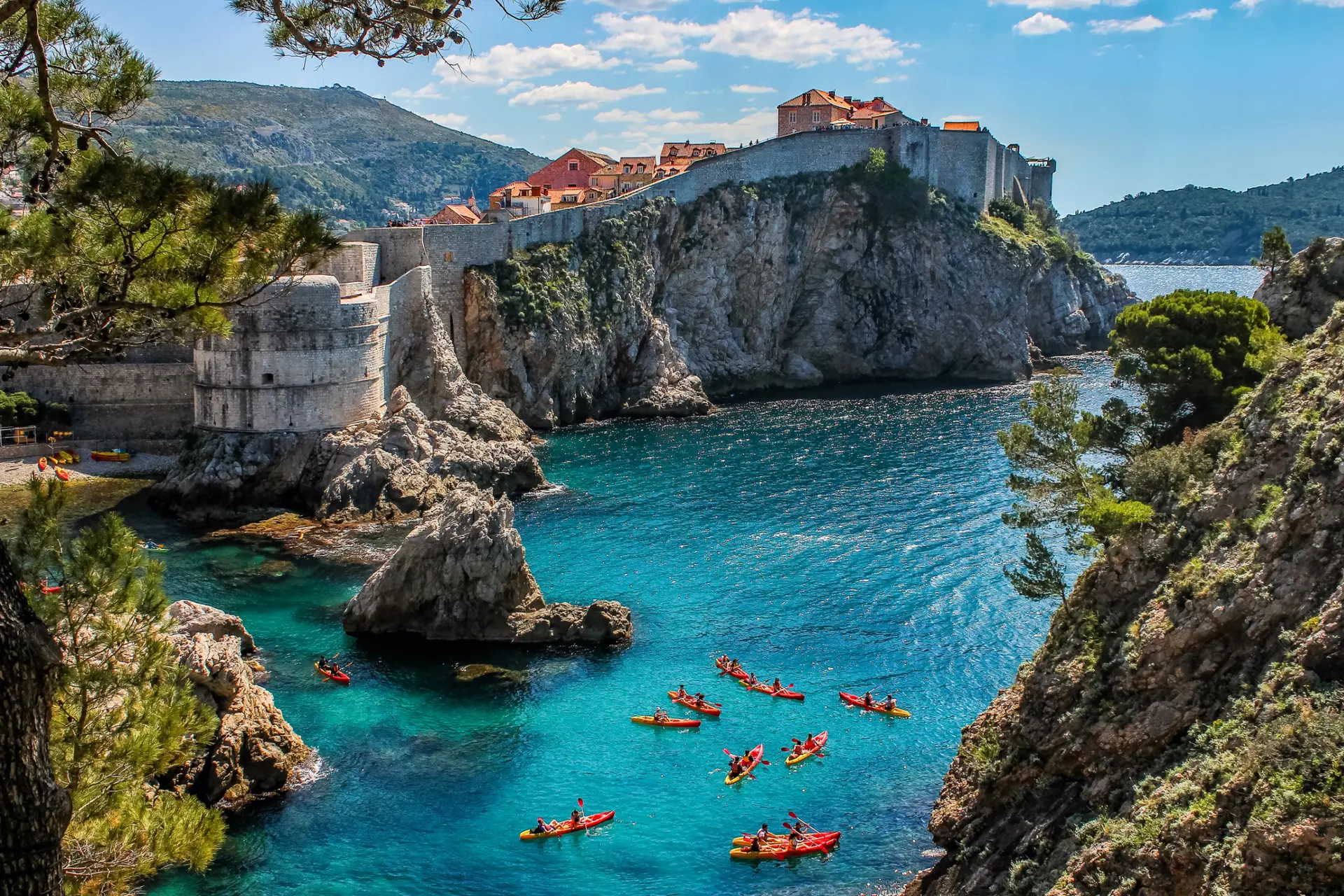
The southern portion, from Ploče to the Montenegrin border, brings together Dubrovnik, the Pelješac peninsula and the island of Mljet, a third of which is a national park with salt lakes. Dubrovnik remains demanding in summer: we recommend staying two nights and walking the ramparts at opening time, around 8am, before the arrival of cruise ships. Pelješac produces full-bodied plavac mali wines around Dingač and oysters at Ston. The climate is the mildest in the country, with pleasant swimming still possible in late September, sea temperature at 23°C. An excellent entry or exit point for a circuit.
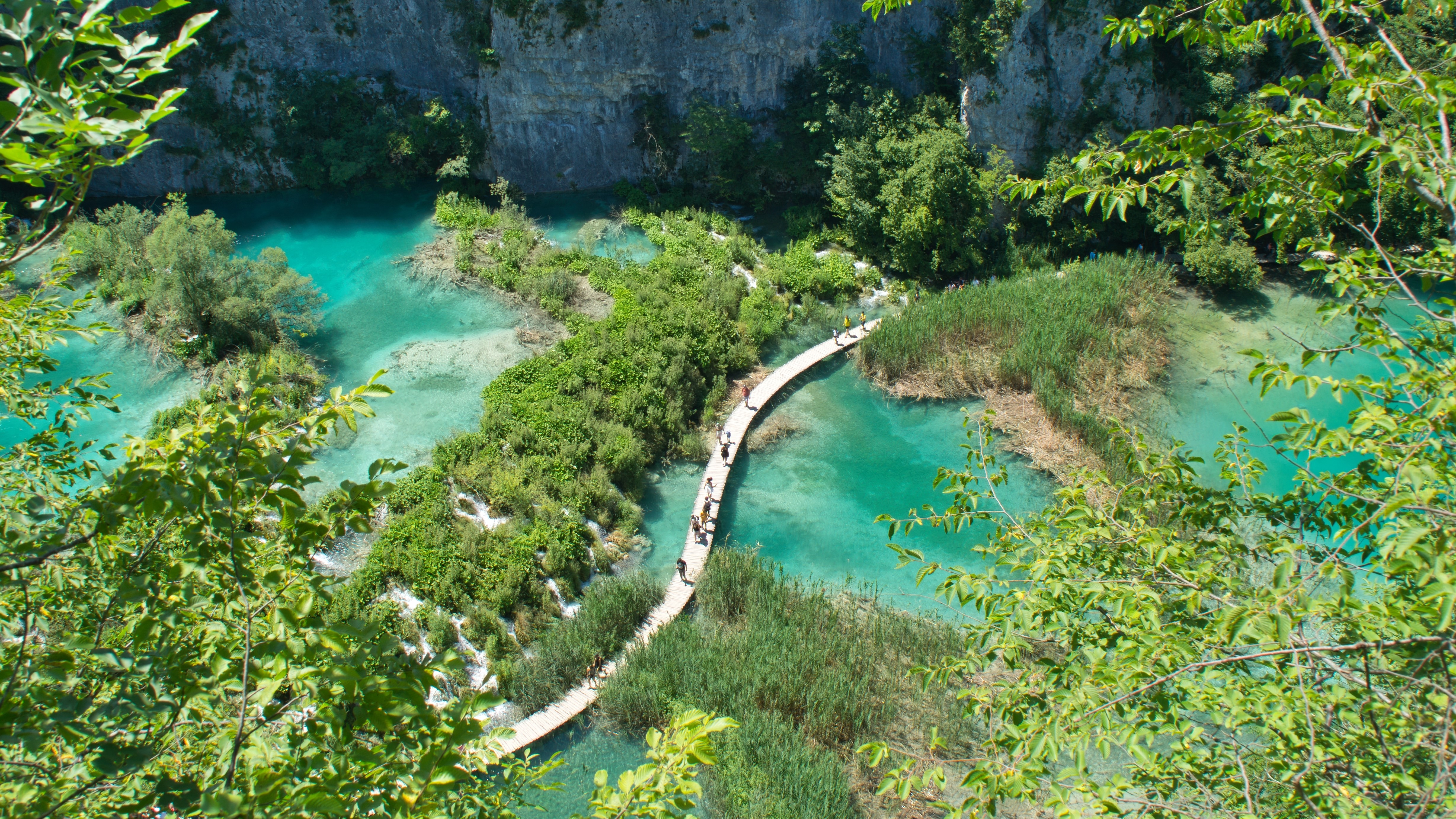
Plitvice and interior karst
Between Zagreb and the coast, Lika unfolds karst plateaus, beech forests and tiered lakes. Plitvice, a UNESCO World Heritage site, features 16 lakes connected by 92 waterfalls, explored via wooden walkways. The nearby Paklenica park, in the Velebit mountains, offers canyons and climbing routes. Average altitude 600 to 800 m, temperatures cooler than in Dalmatia, snow possible from December to March. May and October are our preferred periods: sustained water flow, vibrant colors, manageable visitor numbers. A stay of one to two nights fits well between Zagreb and Zadar, by car or private transfer.
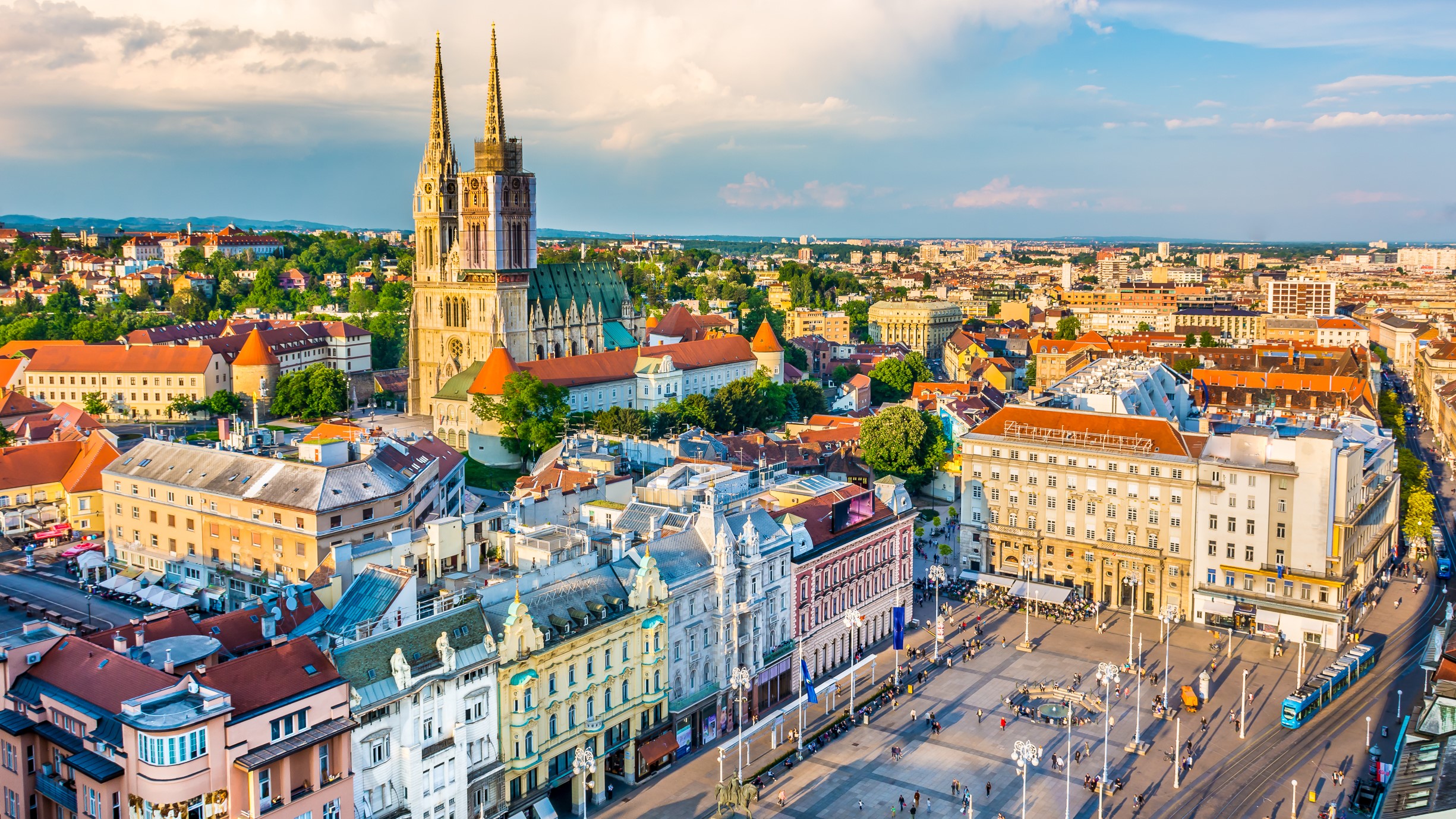
Zagreb and Slavonia
Zagreb, a capital of 800,000 inhabitants, retains a compact Austro-Hungarian center: Gornji Grad, Dolac market, cafés on Tkalčićeva Square. To the east, Slavonia stretches across agricultural plains to the Danube, with Osijek, its fortifications and Kopački Rit nature park, a wetland home to 300 bird species. The region remains little visited by English-speaking travelers, which makes it our suggestion for those wanting to escape the coast and experience another Croatie, more continental, centered around kulen, Kutjevo wine and tamburica traditions.
Explore by theme
Unique experiences tailored to every traveler.
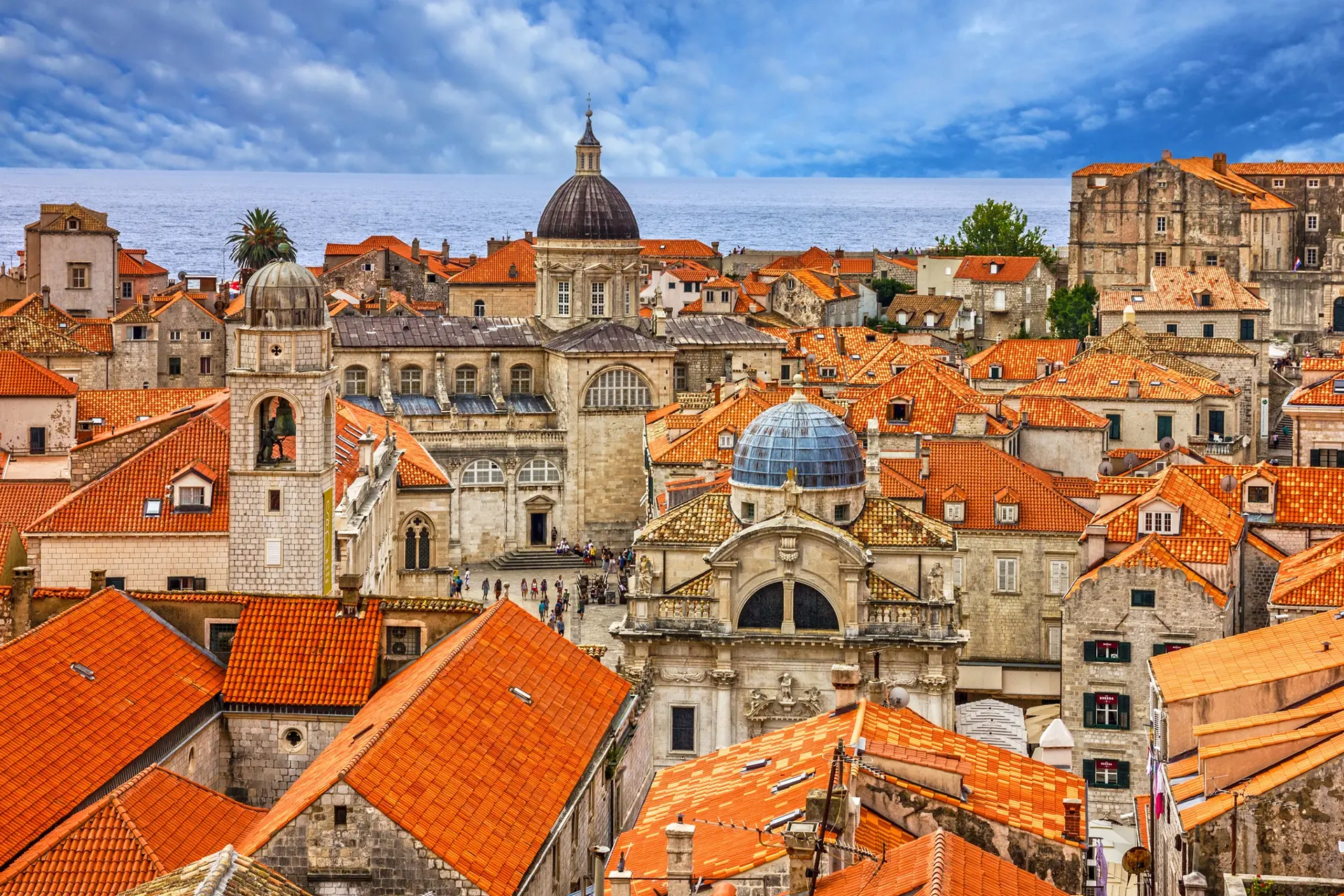
Culture & Heritage
Temples, musées, sites historiques
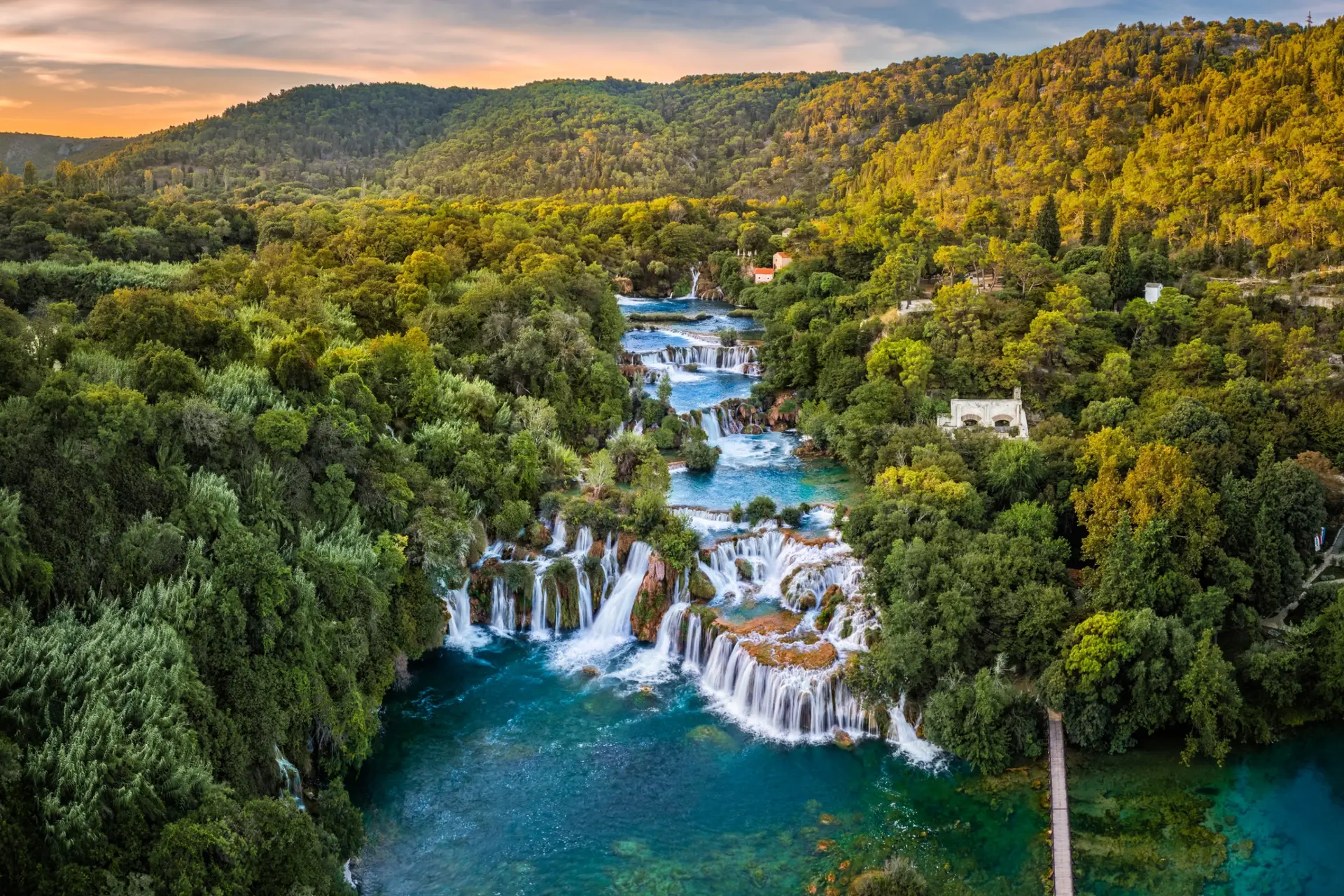
Nature & Landscapes
Parcs nationaux, montagnes, forêts
Sea & Beaches
Littoral, îles, sports nautiques
Wildlife & Biodiversity
Observation animale, sanctuaires, réserves
Activities & Adventure
Trek, kayak, escalade, sports outdoor
Gastronomy
Cuisine locale, marchés, cours de cuisine
We use cookies to improve your experience and measure our site's audience. You can choose what you accept. Learn more.