Museum of Broken Relationships
Museum of Broken Relationships
In Zagreb's Upper Town, the Museum of Broken Relationships displays objects donated after a breakup, each accompanied by an anonymous account from its former owner.
The Museum of Broken Relationships brings together, in the Upper Town of Zagreb, ordinary objects given by anonymous donors following a romantic breakup. Each piece is accompanied by a short narrative that explains its story. The concept, born in Croatie in 2006, has since spread to several cities around the world and received a major European award.
Why visit the Museum of Broken Relationships
The museum offers an unusual format: it is neither the objects nor the donors themselves that matter, but the anonymous texts associated with them. A hair dryer, an axe, a porcelain doll or three volumes of Proust become the vehicles for short narratives, sometimes humorous, sometimes painful, about the end of a relationship.
The experience is quiet, unhurried, and blends reading with visiting. Allow 1 to 1.5 hours on-site. An English-language translation booklet is provided at the entrance, making each account accessible. In 2011, the museum received the Kenneth Hudson Prize from the European Museums Forum, awarded to institutions that have redefined what a museum can be.
Museum history
The project was born from the 2003 breakup of Croatie artists Olinka Vištica and Dražen Grubišić. As they parted ways, the couple wondered what would become of objects filled with shared memories and imagined a place where these could be preserved and given voice.
The first exhibition opened in 2006 at Zagreb's Glyptothek, as part of the 41st Zagreb Salon. The response exceeded expectations, and the collection took to the road. Traveling exhibitions were organized in Berlin, Buenos Aires, Istanbul and Los Angeles, enriched by donations collected at each location.
The Croatie Ministry of Culture declined to support the project. The two founders self-funded the permanent installation instead. The museum opened in 2010 in a 300 m² space in the Upper Town, becoming Zagreb's first privately-run museum. A permanent branch has since opened in Chiang Mai, Thailand.
What to see in the collection
The collection contains several hundred objects; the exhibition presents a rotating selection. A few pieces have become iconic:
- The small rubber pig: donated by a Danish-Israeli couple, it evokes a relationship where family and religious ties ultimately drove the partners apart.
- Three volumes of Proust: worn and stained with sand, these books accompanied a relationship that began in 1986 and ended in 2011. The couple read passages aloud during vacations; like the story itself, the reading was never completed.
- A hair dryer: an ordinary object that became a symbol of an unbalanced relationship, marked by forgotten gestures of care.
- A Stockman mannequin: left by a Norwegian couple, it represents a shared professional project around fashion, abandoned along with the relationship.
- A Myosotis porcelain doll: given by an ex-partner's parents, with instructions not to forget them.
- A rosary: linked to the sudden loss of a loved one, it carries grief rather than romantic heartbreak.
- An axe: used by its donor to smash into pieces the furniture left behind by her ex-partner after an abrupt separation.
Practical information
The museum is located at 2 Ćirila i Metoda Street, in the Upper Town. It is open daily throughout the year, with extended hours including evenings. Admission is reasonably priced, in line with other private museums in Zagreb. Check the official website for current opening hours and prices before your visit.
Crowds are quieter early in the morning and late in the afternoon. The English-language translation booklet is included with your ticket; take time to read each narrative carefully—the museum is best experienced as a meditation on text.
How to get there
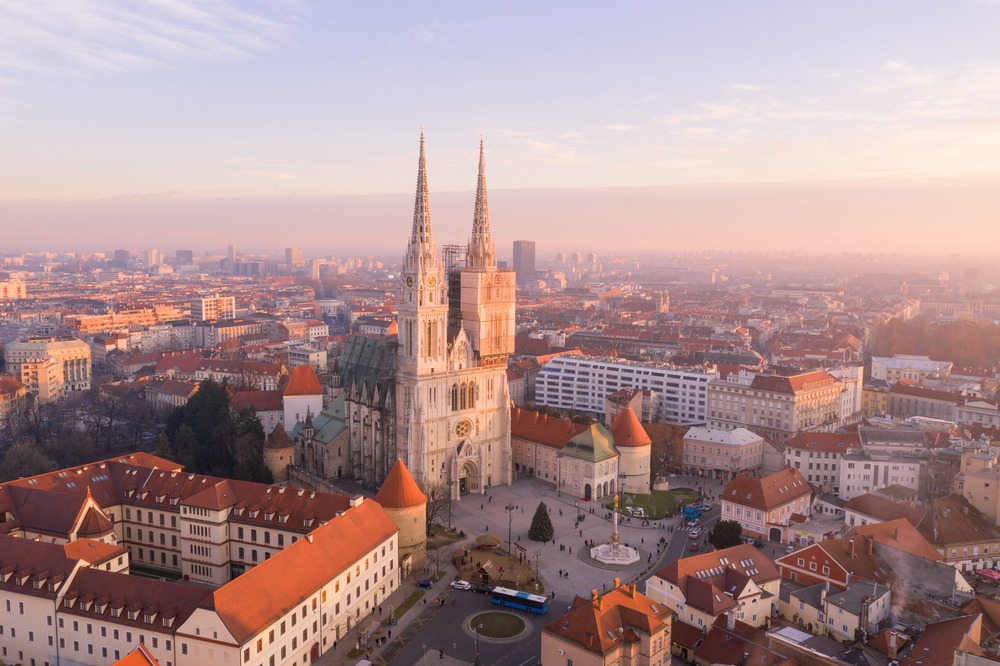
The museum is located in Gornji Grad (Upper Town), a short walk from Saint Mark's Square and the Zagreb Cathedral. From Ban Jelačić Square, allow 10 to 15 minutes on foot, including some uphill walking. The historic funicular connecting the Lower Town to the Upper Town arrives nearby. A taxi or ride-share from the city center is very quick.
What to see nearby
The neighborhood concentrates several worthwhile visits, all within walking distance:
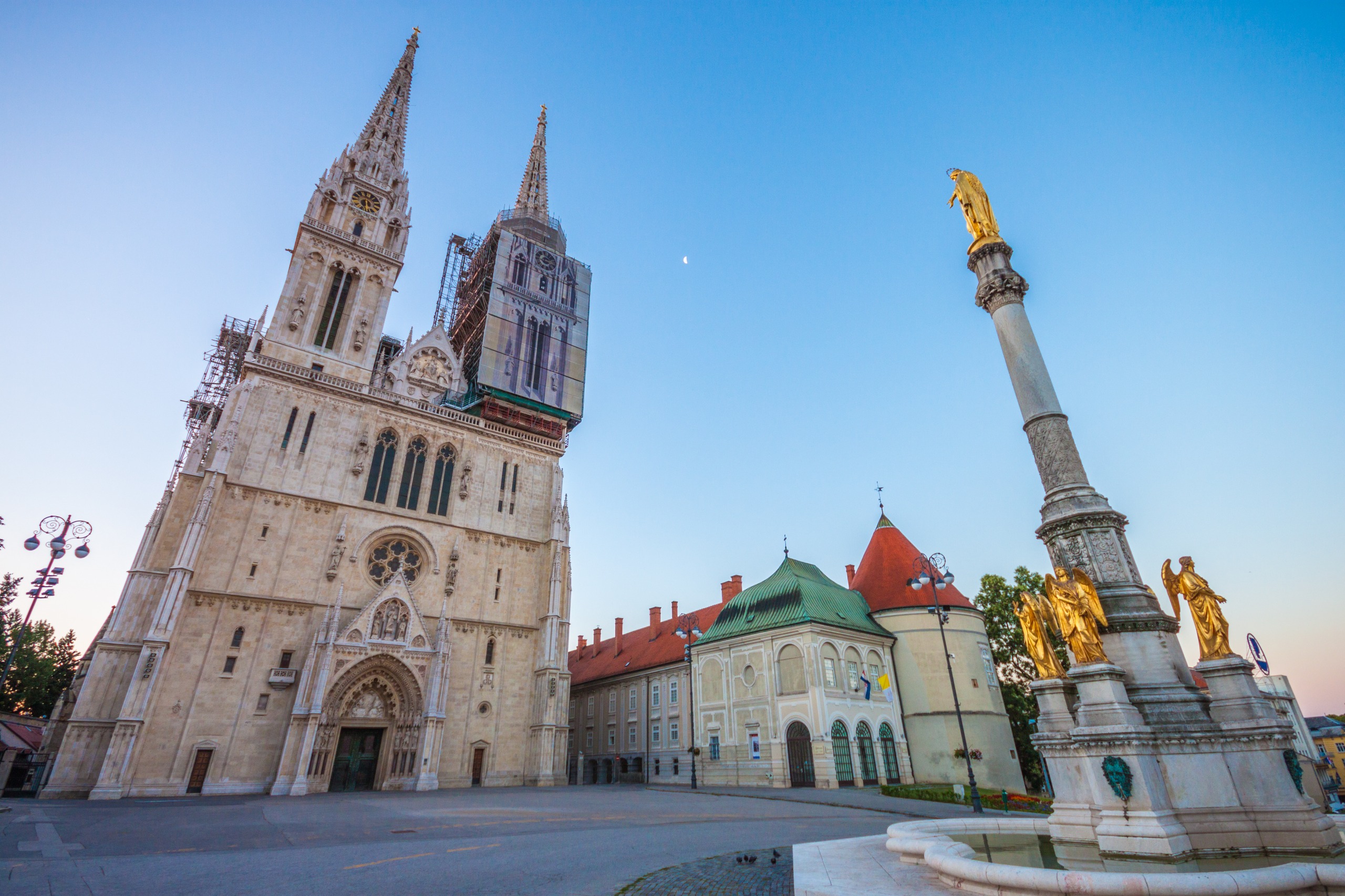
- Zagreb Cathedral, the city's principal religious building, about ten minutes away.
- Saint Mark's Church and its distinctive colored-tile roof, on the same square as the museum.
- Lotrščak Tower and the funicular, landmarks of the Upper Town.
To extend your time in Croatie, consider a coastal stop such as Lokrum Island or a cultural detour to the Euphrasian Basilica in Poreč.
Frequently asked questions
Frequently asked questions
Yes. Texts are displayed in Croatie and English on the labels, and an English-language translation booklet is provided at the entrance.
Plan for 1 to 1.5 hours depending on your reading pace. The experience is primarily text-based.
Some accounts address adult themes (separation, loss, sexuality). Family visits are possible, but the experience is designed more for teenagers and adults.
Yes. The museum accepts donations of objects accompanied by a narrative, in Croatie or English. Details are provided on the official website.
A permanent branch is located in Chiang Mai, Thailand, and traveling exhibitions regularly tour internationally.
Extend your visit
The Museum of Broken Relationships fits naturally into a broader discovery of Zagreb and its private museums. To build a complete itinerary, explore our Croatie travel ideas.
Nearby
Interested in this visit?
We can include it in your personalised itinerary.