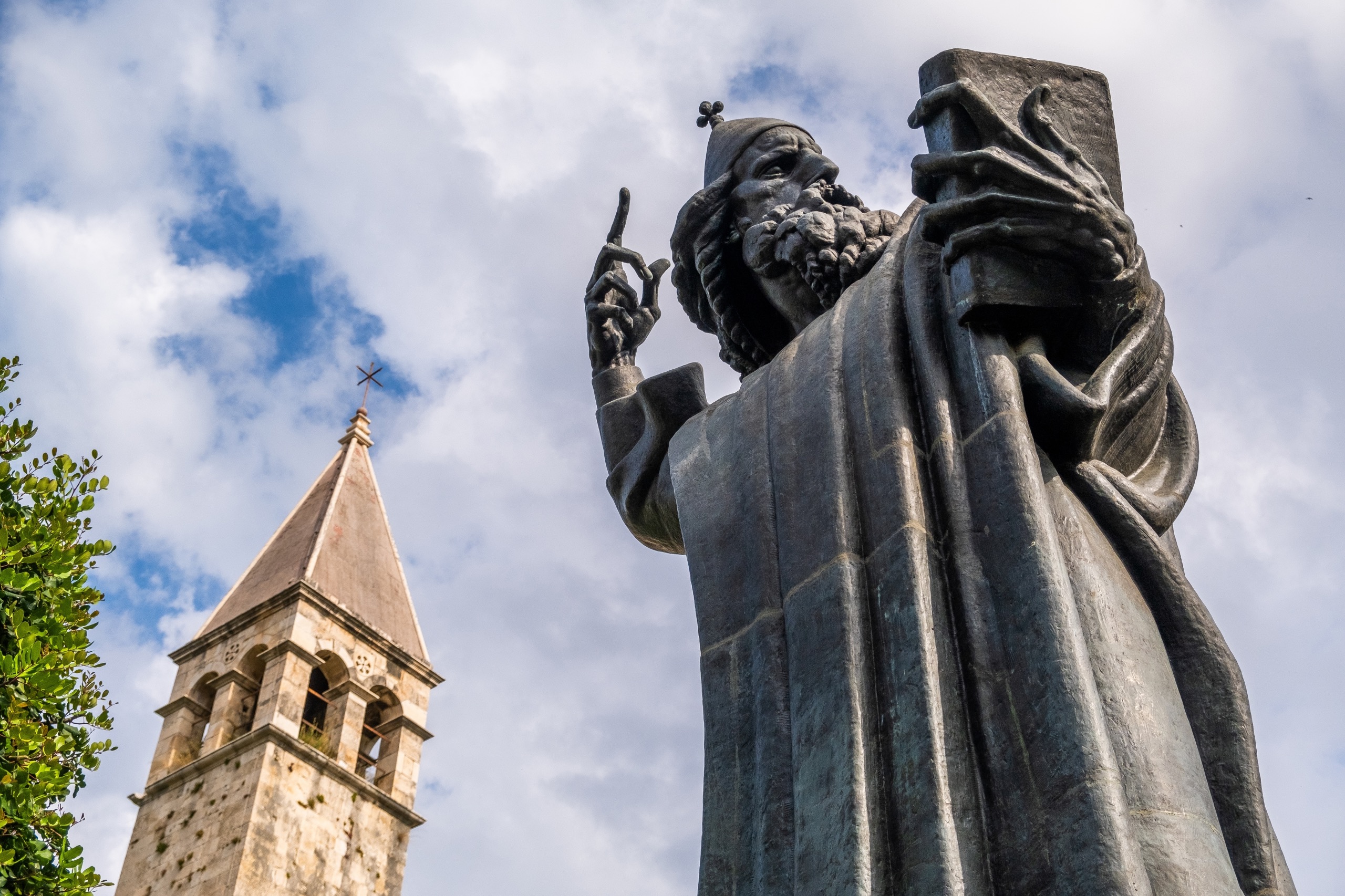
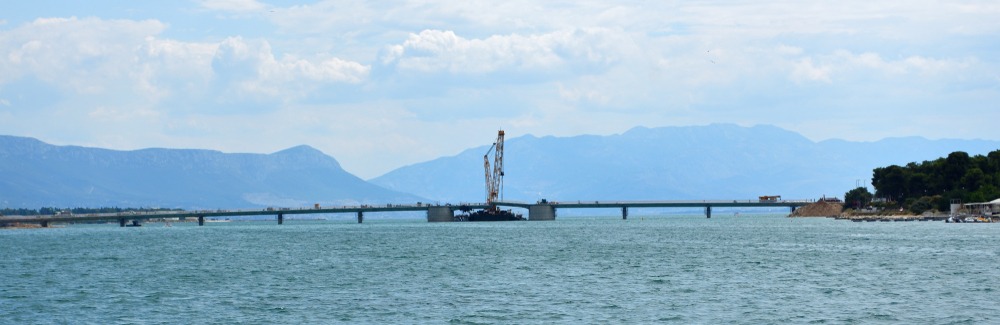
Why Visit Croatia for Your Next Trip?
Are you hesitant about visiting Croatia for your next trip? Rich in history and natural wonders, Croatia delights all travelers—whether you're going with friends, as a couple, or as a family.
Are you hesitant about visiting Croatia for your next trip? Rich in history and natural wonders, Croatia delights all travelers—whether you're going with friends, as a couple, or as a family! Not yet convinced? We'll share everything there is to do and see in Croatia to give you an idea of what awaits you... Fair warning: you may find yourself wanting to go as soon as possible after reading this article!
For a complete escape just 2 hours from Paris
Traveling to Croatia means the promise of a total escape without having to go to the other side of the world. Located just 2 hours by plane from Paris, the country offers an impressive variety of landscapes. From fortified cities to mountains and forests, not to mention its magnificent coves and beaches as well as its numerous islands... There's no doubt about it: Croatia has something to seduce every type of traveler!
And for travelers who prefer not to fly, know that it's possible to reach Croatia by car via Italian highways (plan for about 10 hours of driving from the city of Lyon). You can also find buses and trains as well as ferries via Italy.
A still budget-friendly destination!
In addition to being easily accessible from France, Croatia is also a rather affordable destination. By way of indication, the cost of living is on average 30% lower than in France. Still, be sure to book in advance to take advantage of interesting prices!
To discover its fortified and historic cities
Croatia has been the stage for numerous influences. It has experienced the presence of the Roman Empire, the Byzantine Empire, the Carolingian Empire, the Holy Roman Empire, the Kingdom of Hungary, the Republic of Venice, the Ottoman Empire, the Illyrian Provinces of the First French Empire, the Austrian Empire, Austro-Hungary, and finally Yugoslavia (nothing short of that!).
Cities and villages still bear witness today to this rich past. You can still find remnants dating from antiquity, the medieval period, and all the subsequent eras that shaped the country's history. As you can see, Croatia possesses a unique cultural and historical heritage that makes it a veritable open-air museum.
Among the historic cities and towns you absolutely must see in Croatia are:
Dubrovnik
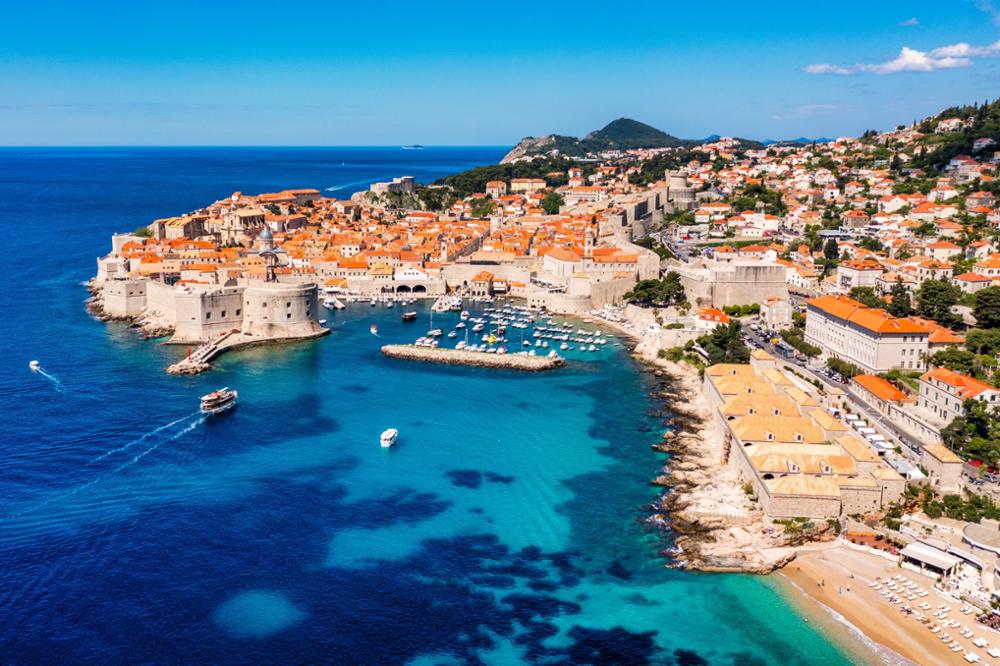
Located at the far south of Croatia, Dubrovnik is nicknamed "the Pearl of the Adriatic". Considered the favorite city of travelers, it is even one of the most attractive cities in the Mediterranean. Inscribed on the UNESCO World Heritage List, this fortified city surrounded by ramparts will seduce you with its picturesque charm.
Don't miss a visit to the ramparts and the old town, the Rector's Palace, the Cathedral of the Assumption, Fort Lovrijenac, the Ston Walls, and Mount Srdj to enjoy an unobstructed view of the city...
Did you know?
Dubrovnik served as a filming location for the famous Game of Thrones series, where it portrays King's Landing. Episode 8 of Star Wars was also filmed in part in Dubrovnik.
Split
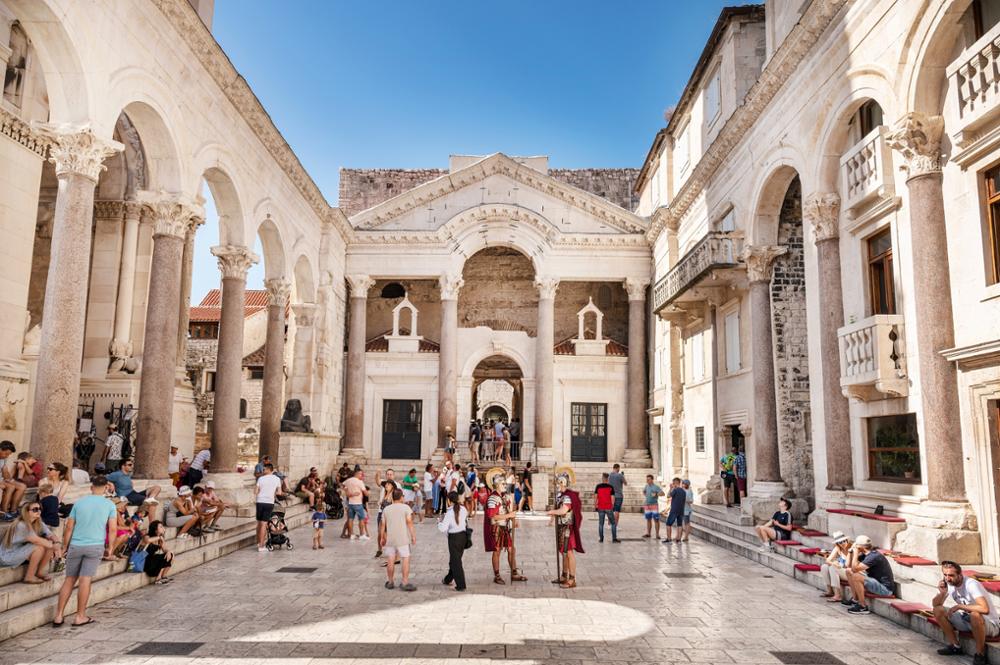
Croatia's second most populated city after the capital Zagreb, Split was built around the palace of the Roman emperor Diocletian. Nicknamed "the Flower of the Mediterranean", this palatial city is also inscribed on the UNESCO World Heritage List.
In addition to its many architectural treasures such as Diocletian's Palace and the Cathedral of Saint Domnius, the city is renowned for its craftsmanship and gastronomy. The city also boasts beautiful beaches like Bacvice, Jezinac, Kasjuni, Firule, and Trstenik...
Zadar
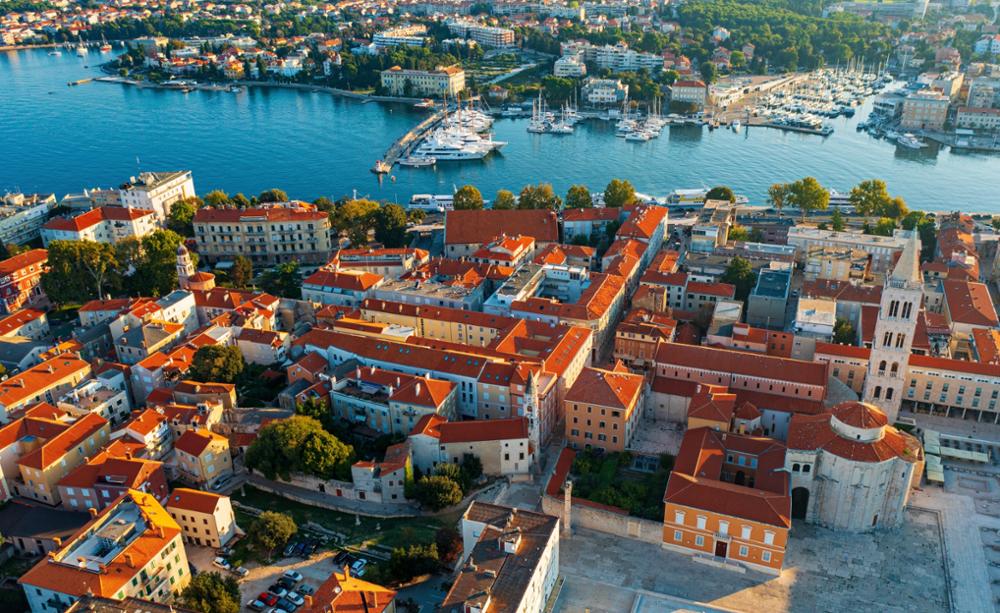
With over 3,000 years of history, Zadar is among the most beautiful fortified cities in Croatia. Scattered with Roman and Venetian ruins, medieval churches, and museums, this port city in northern Dalmatia delights history and culture enthusiasts. Don't miss the Roman Forum, the Convent of Saint Mary, the Cathedral of Saint Anastasia, and the Church of Saint Donat.
Its historic district, located on a peninsula, is the ideal starting point for exploring the Kornati Islands. It is also surrounded by numerous parks including the national parks of Plitvice, Paklenica, Krka, and the natural parks of Velebit and Telascica.
Focus on the works of Nikola Bašić:
In the city, you'll find two unusual works of art created by engineer Nikola Bašić: * The Sea Organ: a staircase descending into the sea whose construction creates a melody with the ebb and flow of the waves, * The Greeting to the Sun: a luminous work created with solar panels, representing the Sun and the planets of the solar system...
Other cities to see in Croatia
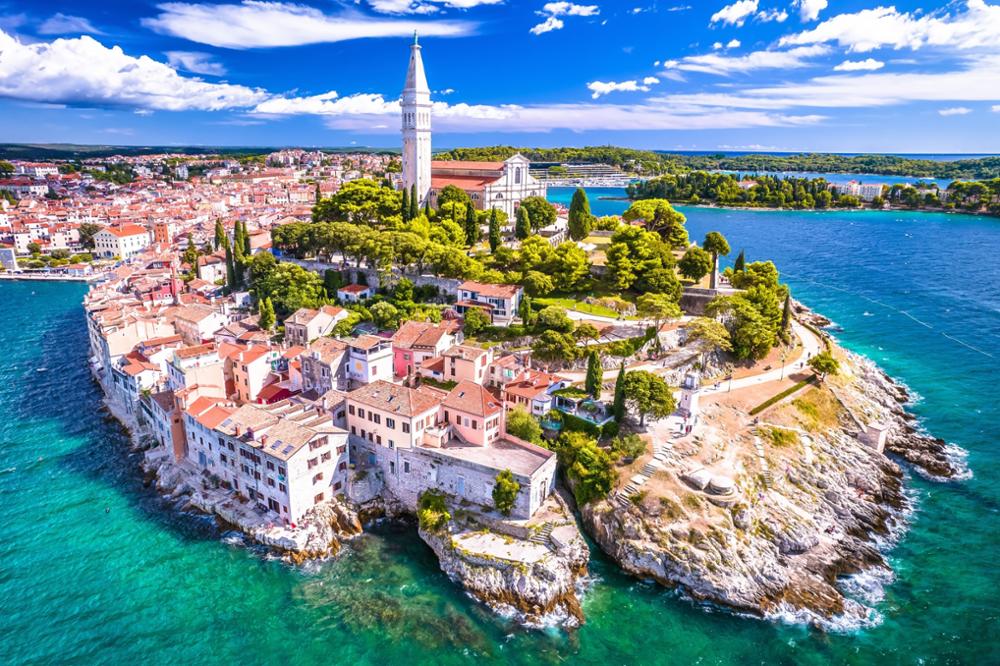
If history, architecture, and culture interest you, other Croatian cities are worth visiting during your stay. Among them, we recommend:
Rovinj,
Trogir,
Pula,
Poreč,
Sibenik,
Skradin...
To hike in its national and natural parks
Love hiking? Want to feast your eyes on exceptional natural sites? With 8 national parks and 11 natural parks, Croatia is a paradise for nature lovers! The program includes: discovering turquoise lakes and enchanting waterfalls, exploring caves, taking on sporting challenges in rugged mountains, and encountering wild animals...
Among the most beautiful parks to discover in Croatia are:
Plitvice Lakes National Park
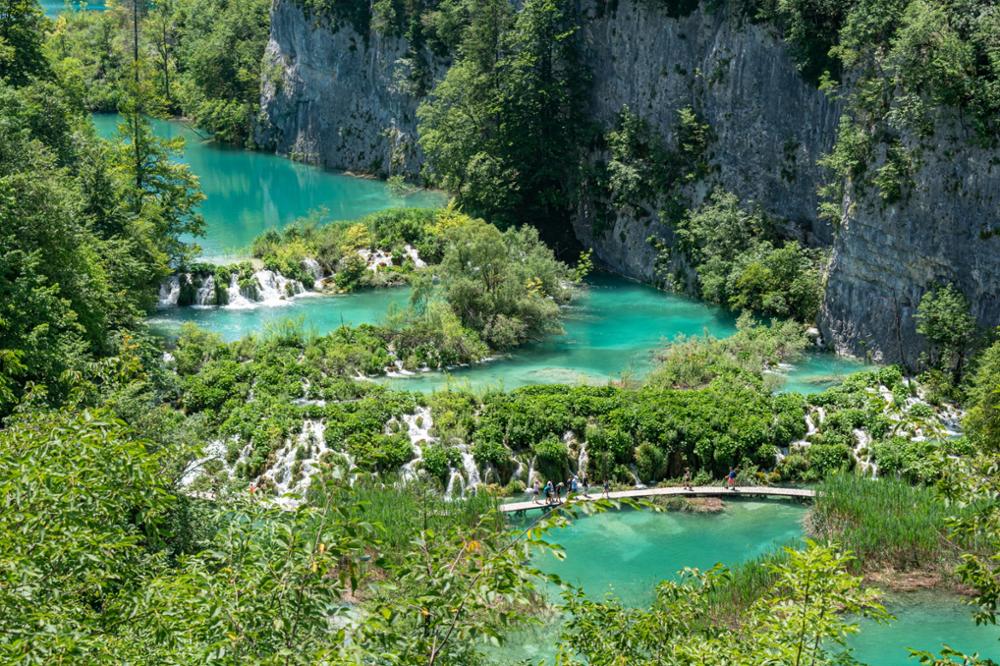
Inscribed on the UNESCO World Natural Heritage List, Plitvice Lakes National Park is undoubtedly Croatia's most famous park. Surrounded by beech, fir, and spruce forests, the park is characterized by expanses of turquoise water connected by 90 waterfalls. Visitors can discover its natural wonders through well-maintained trails and wooden boardwalks installed above the water. Note that the park is home to brown bears, lynx, and wolves.
Krka National Park
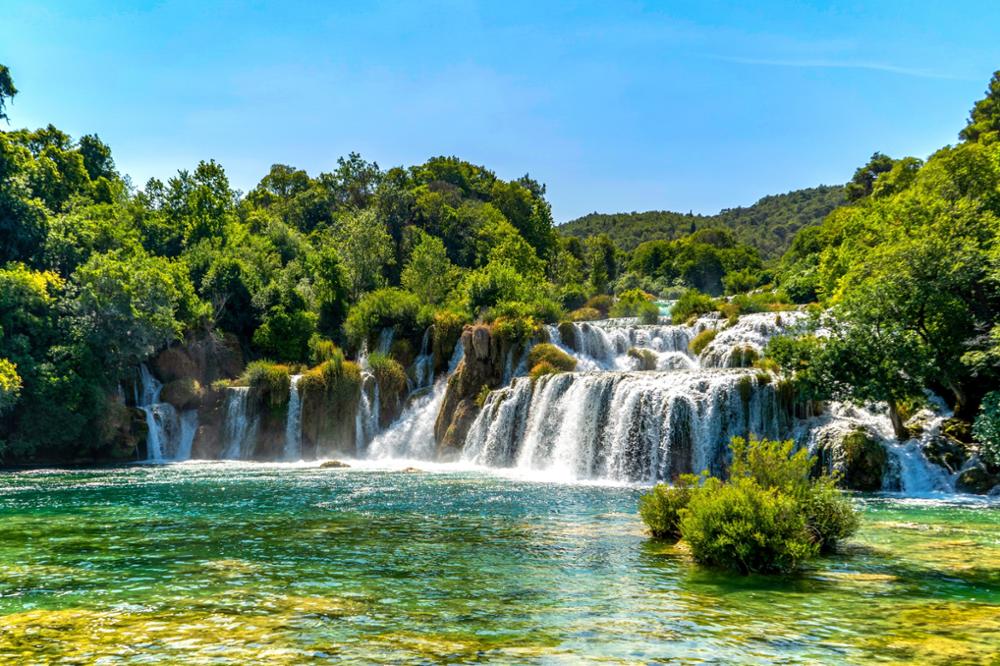
Krka National Park is characterized by karst formations through which the Krka River flows. There are numerous basins, cascades, and waterfalls surrounded by lush forest where countless birds live. In addition to water features, the park houses an ethnographic museum of mills, a falconry center, and a monastery built on the islet of Visovac. To discover all its wonders, you can follow hiking trails or plan a boat excursion.
Northern Velebit National Park
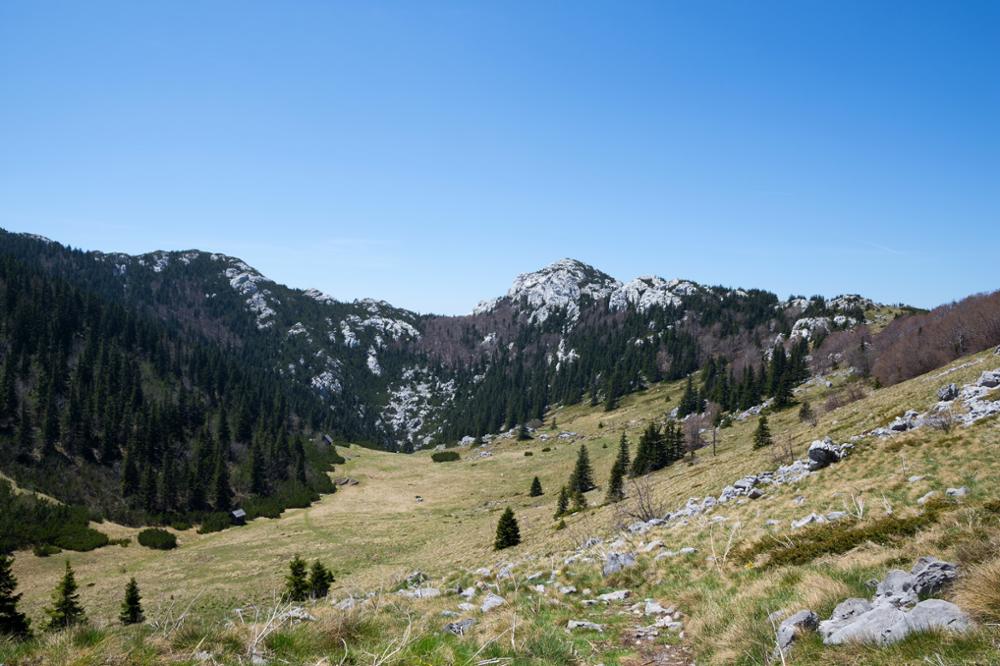
Northern Velebit National Park harbors at its heart a botanical garden and the natural reserves of Hajdučki Kukobi and Rožanski. Over 150 caves have been discovered there, including Eastern Europe's deepest cave: Lukina Pit (Lukina Jama), plunging more than 1,400 meters deep! You'll also find the famous Velebit, Croatia's most important mountain massif, designated as a UNESCO biosphere reserve. Trekking enthusiasts can attempt the ascent of Mount Zavižan (1,676 meters altitude) to enjoy an exceptional 360-degree panorama.
Other parks to discover in Croatia:
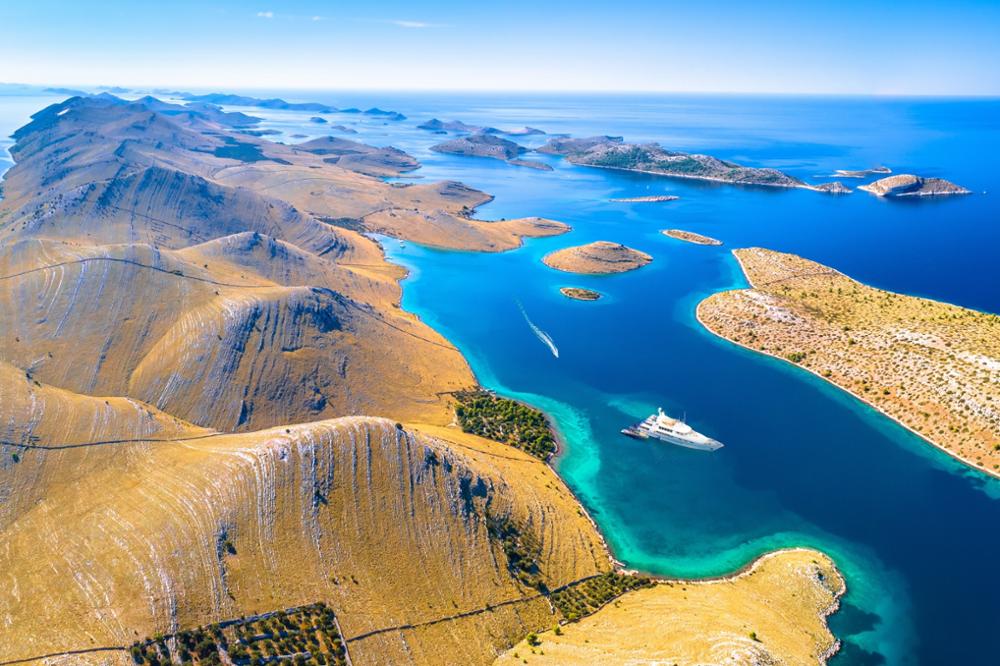
Brijuni National Park,
Mljet National Park,
Kornati National Park,
Risnjak National Park,
Paklenica National Park,
Medvednica Natural Park,
Žumberak-Samoborsko Gorje Natural Park,
Ucka Natural Park,
Lake Vrana Natural Park and Vrana Lake,
Lastovo Archipelago Natural Park,
Papuk Natural Park,
Telašćica Natural Park,
Biokovo Natural Park,
Kopački Rit Natural Park,
Lonjsko Polje Natural Park.
To enjoy Croatia's sublime beaches
Beaches on the Croatian coast
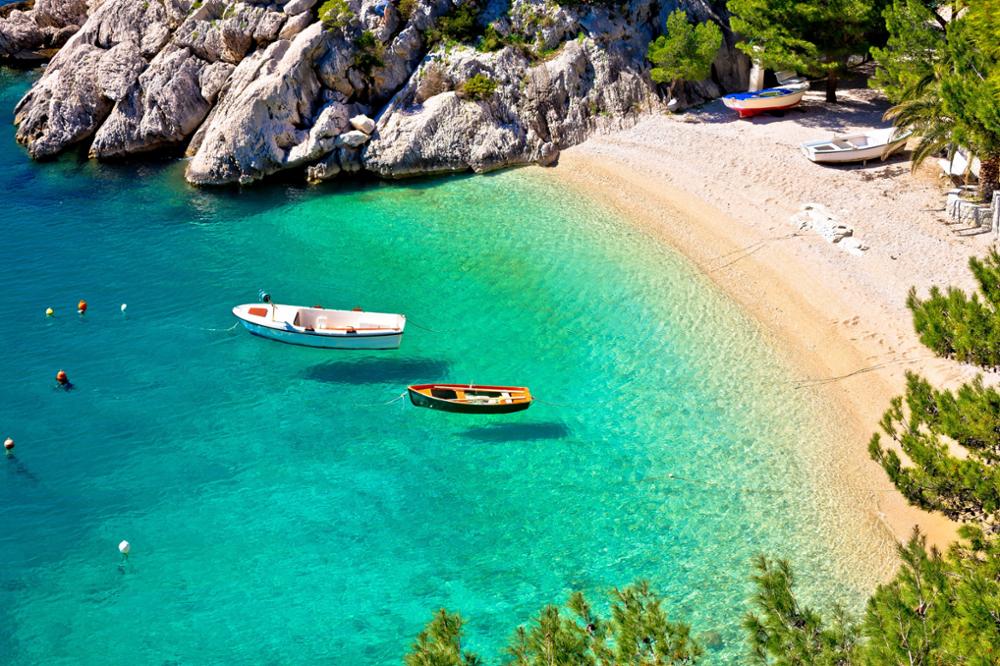
It's impossible not to succumb to the charm of Croatian beaches. The good news? There's something for everyone: sandy beaches, pebble beaches, intimate little coves, family-friendly beaches, and lively beaches with numerous facilities.
Among the most beautiful beaches on the Croatian coast, we recommend:
Punta Rata beach in the village of Brela, considered the most beautiful beach in Croatia,
Bang and Lapad beaches in Dubrovnik,
Petrcane beach
Makarska beach,
Dražica beach in Biograd na Moru,
Trstenica beach in Orebic...
Good to know:
Most Croatian beaches are made up of pebbles. Be sure to bring water shoes for added comfort!
Beaches on Croatia's islands
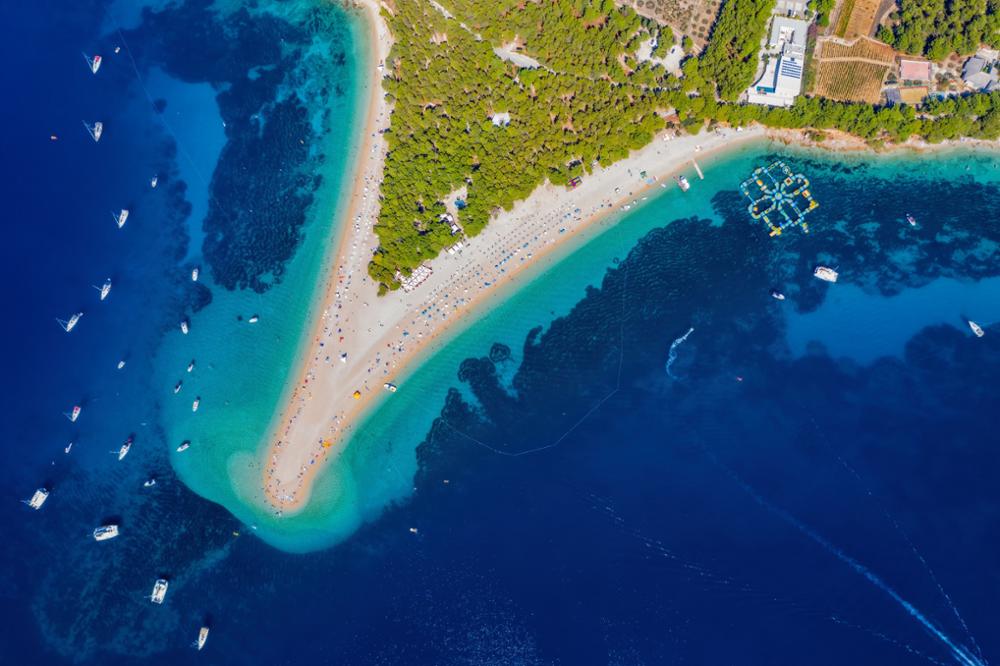
Croatia's most beautiful beaches aren't all on the mainland, but on its countless islands. In total, there are over 1,100 islands and islets, with only about a hundred inhabited.
Among the most beautiful beaches on Croatia's islands are:
Zlatni Rat beach in Bol on the island of Brac,
Vela Beach Plaza in Baska on the island of Krk,
Rajska Plaža in Lopar on the island of Rab,
Zrce beach in Novalja on the island of Pag,
Mali Losinj beach on the island of Losinj,
Dubovica Milna beach on the island of Hvar,
Trincel beach on the island of Pag (sandy beach),
Lumbarda beach on the island of Korcula (sandy beach),
Rajska Plaža Lopar on the island of Rab (sandy beach),
Sunj beach on the island of Lopud (sandy beach),
Saplunara Bay and Uvala Blace on the island of Mljet (sandy beaches)...
Note:
Croatian islands aren't just about their dreamy beaches. They also contain some historical and cultural treasures worth exploring. You can choose to stay on one of the islands, take a day boat excursion, or plan a multi-day cruise to discover them.
To fill your days with activities
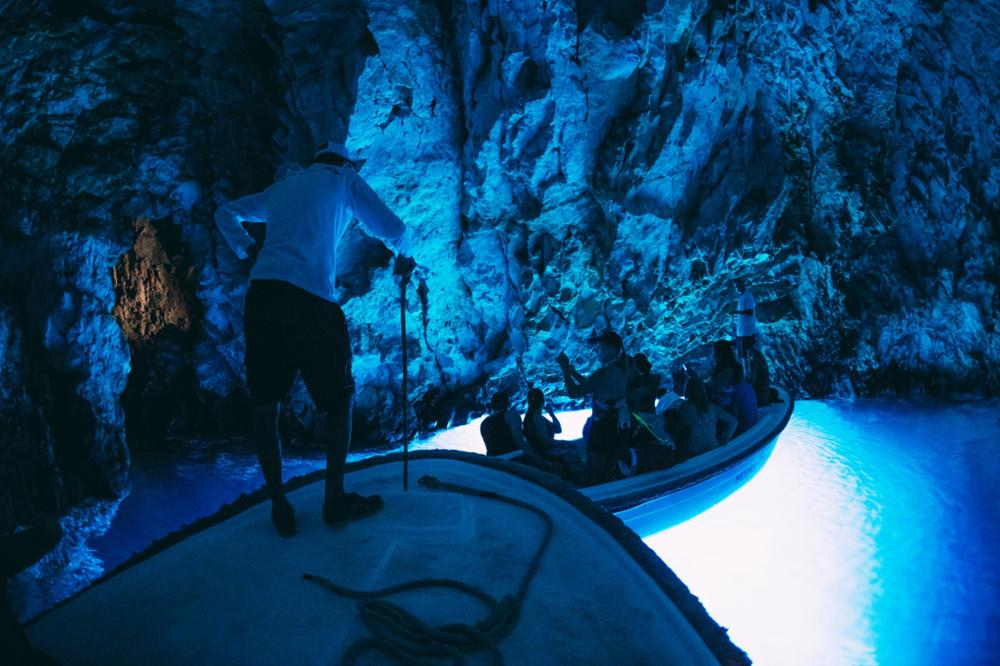
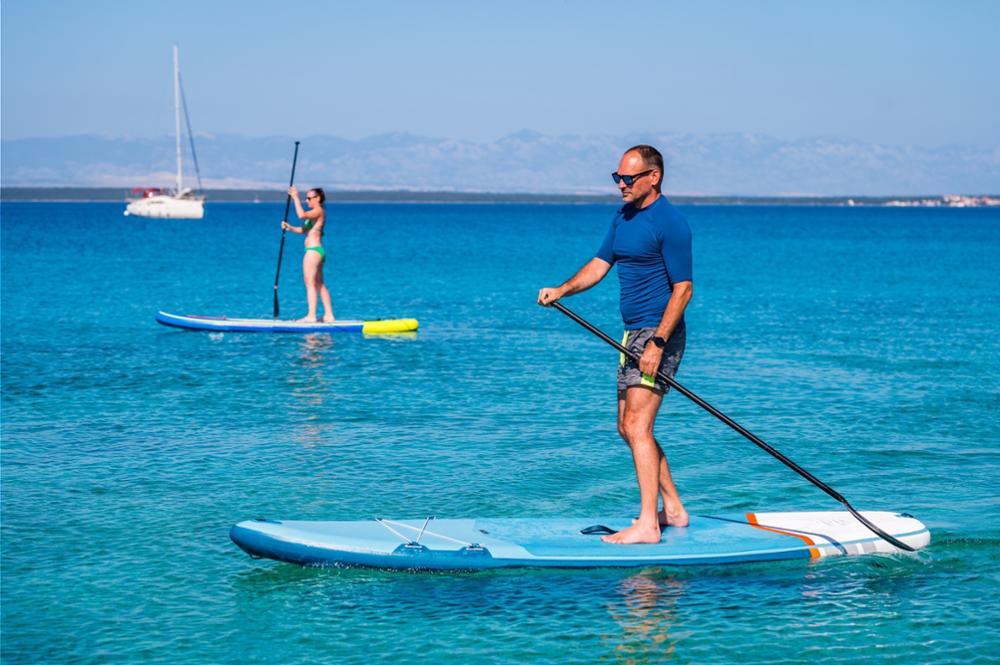
Traveling to Croatia also means the opportunity to try numerous activities. Perfect for pleasing the whole family and delighting all types of travelers. A stay in Croatia is a chance to:
Go hiking in its parks,
Go rock climbing,
Explore caves,
Take horseback riding treks,
Go cycling and mountain biking,
Go canoeing and kayaking,
Explore the marine life of the coast and islands through scuba diving or snorkeling,
Learn windsurfing, kitesurfing, or cross-country skiing,
Head out to sea on a boat or sailboat...
In short, you won't risk getting bored on a trip to Croatia!
To savor the delicious flavors of Croatian cuisine
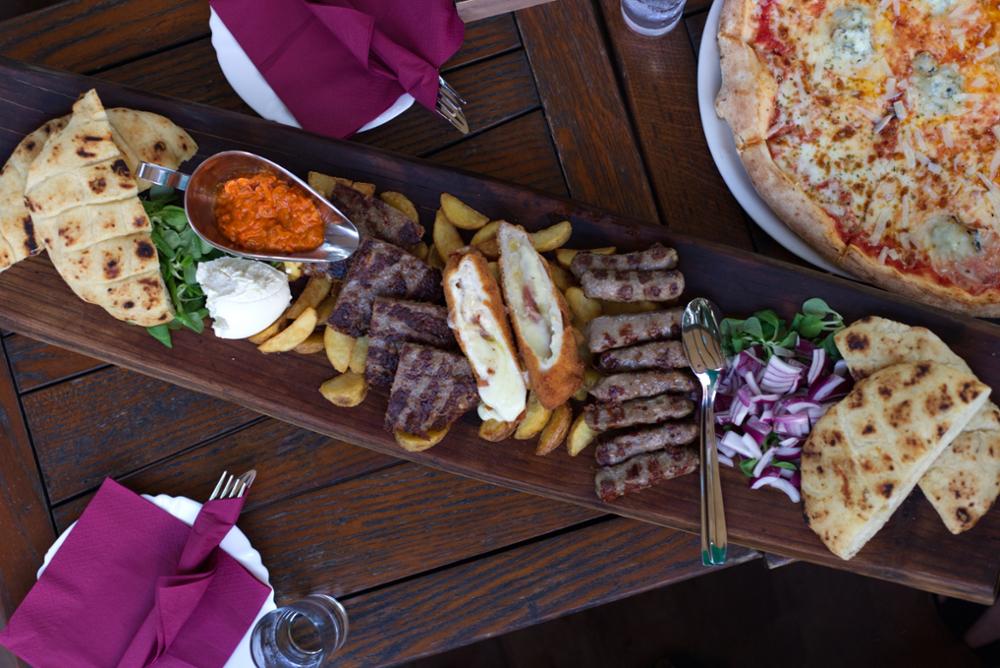
Born from numerous cultural exchanges, Croatian cuisine reflects its history: rich and diverse! Specialties vary from region to region. Istria, for example, is known for its cuisine with Italian influences, while Slavonia is marked by Hungarian influence.
Among the Croatian specialties you shouldn't miss, we recommend:
Burek: a savory pastry filled with vegetables and cheese,
Pasticada: a beef dish braised in a fragrant sweet and sour sauce,
Crni Rizot: a risotto made with squid or cuttlefish, tinted with squid ink,
Brudet: a fish stew made with peppers and tomato,
Čevapi: grilled minced meat rolls served with a sauce made from peppers and chili peppers.
Štrukli sa Sirom: a specialty made with fresh cheese and cream...
What about Croatian wine?
Love good wine? Then you may know that Croatia has a wide range of grape varieties, including over 130 indigenous varieties. Its numerous wine regions make it a destination of choice for wine lovers. Toast away!
Practical information:
Quick facts:
Language: The official language is Croatian, but locals easily speak English, German, and Italian.
Currency: Since January 1, 2023, Croatia's currency is the euro (EUR).
Time difference: There is no time difference with France.
What are the entry requirements for Croatia?
Croatia is part of the European Union and the Schengen area. In other words, you only need your ID card or passport to enter the country for a stay of less than 3 months.
What is the best time to visit Croatia?
Croatia's climate can be divided into two types: continental inland with very cold winters and very hot summers, and Mediterranean on the coast with relatively mild and sunny winters and hot, dry summers.
Generally speaking, the best time to visit Croatia runs from May to September. To avoid crowds, we recommend planning a visit during May/June or September.
How long should you plan for a trip to Croatia?
Although the country is relatively small, distances in Croatia can be deceptive. With winding roads, driving times can be long. That's why we recommend spending at least a week. In that case, you can focus on a single region. To explore more of Croatia and take time to combine several regions, we recommend planning a minimum 15-day stay.
Florine Dergelet
Florine Dergelet
A web writer for more than 10 years, Florine Dergelet is a traveler driven by a desire to discover the world with an open heart. Each of her articles is an invitation to slow down, listen, and understand. Because for her, traveling is not about checking countries off a list, but about weaving bonds—often invisible but always powerful—with places, peoples, and all sorts of creatures in the animal kingdom. Her creed? To advise travelers ethically, awaken their consciousness about animal welfare, respect for cultures, and the importance of humble and sustainable tourism. Because the most beautiful memories are often born far from the spotlight, in the shadow of a trail, in the warmth of a conversation, or in the gentle whisper of a world you finally take time to hear…
Frequently asked questions
No, Croatia remains an accessible destination. The cost of living is on average 30% lower than in France. By booking in advance, especially for accommodation and transportation, you can enjoy a quality stay at a reasonable price.
The best time to visit Croatia runs from May to September. To enjoy great weather while avoiding crowds, choose May, June, or September. July and August are the hottest and most crowded months, especially on the coast.
No visa is required. Croatia is a member of the European Union and the Schengen area. You only need a valid ID card or passport for a stay of less than 3 months.
For a first visit, plan at least a week to explore one region in depth. If you want to combine several regions (Dalmatia, Istria, interior), ideally plan 15 days. Be aware that winding roads can extend travel times.
Since January 1, 2023, Croatia has adopted the euro (EUR) as its official currency. You don't need to exchange money if you're traveling from France.
Flying is the fastest option: about 2 hours from Paris. You can also drive through Italian highways (about 10 hours from Lyon). Bus, train, and ferry connections via Italy are also available.
Croatia has over 1,100 islands and islets. Among the most beautiful to visit, we recommend Hvar for its lively atmosphere and beaches, Korcula for its historical heritage, Brac for the famous Zlatni Rat beach, Rab for its sandy beaches, and Mljet for its pristine nature.