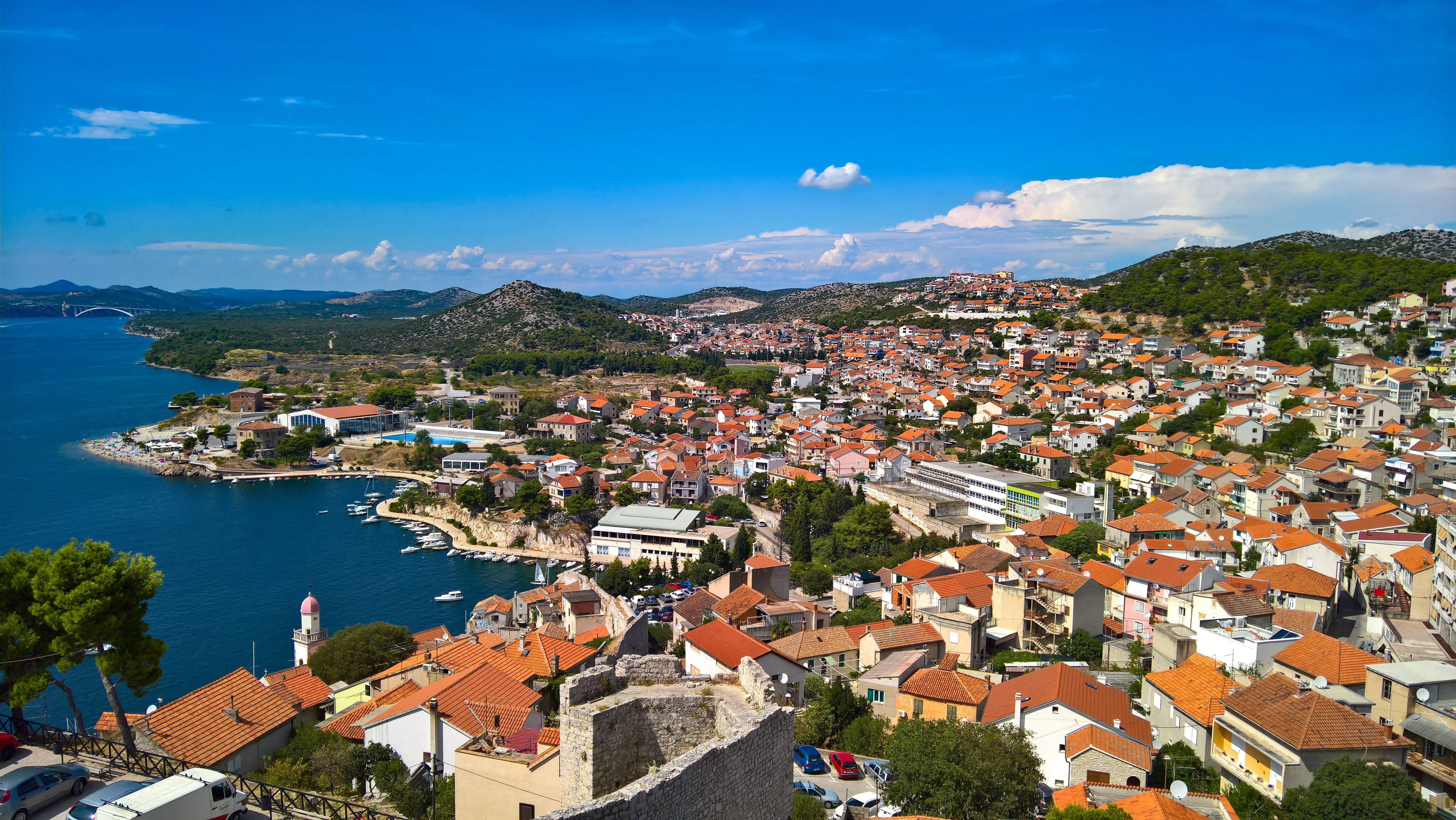
How to Travel to Croatia Responsibly?
Traveling to Croatia means discovering landscapes of exceptional beauty, cities steeped in history, and a rich culture. However, to ensure this experience benefits both you and the country, it's essential to adopt practices that respect the environment and local communities. Discover how to explore Croatia responsibly while making the most of your stay.
Traveling to Croatia means discovering landscapes of exceptional beauty, cities steeped in history, and a rich culture. However, to ensure this experience benefits both you and the country, it's essential to adopt practices that respect the environment and local communities. Discover how to explore Croatia responsibly while making the most of your stay.
How to Move Around Ecologically?
Green alternatives to polluting transportation
Croatia is improving its transportation infrastructure to reduce its ecological impact. In Zagreb and Split, electric buses are gradually replacing older models, and more energy-efficient trains are strengthening the rail network. In Vinkovci, a factory will produce clean fuel from waste.
Charging stations for electric vehicles are multiplying along major routes. In tourist zones, bike-sharing systems, electric shuttles for national parks, and shared scooters offer practical and ecological options for exploring the country.
Soft mobility between major cities
Trains between Zagreb and Split offer an ecological alternative with a 6-hour journey through mountainous landscapes. To reach Dubrovnik from Zadar, hybrid maritime shuttles travel along the Dalmatian coast.
A network of cycling paths connects major destinations, including the EuroVelo 8 cycle route, which extends over 1,100 km between Umag and Dubrovnik, passing through UNESCO-listed sites.
Car-sharing is facilitated by local apps. Hydrogen minibuses, meanwhile, connect national parks to main train stations. With the "Green Transit Pass," valid for 7 days, you can easily access these sustainable transportation methods.
Responsible maritime transport to the islands
Trips to Croatian islands are shifting toward more ecological solutions. Hybrid ferries equipped with solar panels and low-emission engines connect Split to nearby archipelagos.
Shipping companies are adopting sustainable practices such as reduced speed to save energy, onboard recycling, and the use of biodegradable products. For nearby islands like Hvar and Brač, electric shuttles minimize carbon footprint.
For short distances, solar-powered water taxis offer a zero-emission option. Restored traditional sailing vessels allow for respectful and authentic navigation.
Adopt Ethical Behavior On Site
Responsible waste management
Preserving Croatia's coastline depends on responsible waste management. Beach resorts offer sorting points for glass, plastic, and organic waste.
To reduce your impact, use a reusable water bottle and cloth bags. At local markets, you'll find wicker baskets ideal for plastic-free shopping.
The "Clean Adriatic Sea" program invites travelers to participate in beach cleanup drives organized by local associations. These initiatives raise awareness while fostering exchanges with locals.
When on a boat, dispose of your waste in provided bins or keep it until you return to port.
Water conservation in sensitive areas
Freshwater management is an important issue in certain Croatian regions, particularly on islands. Many accommodations use rainwater harvesting systems, and beach showers are equipped with timers to prevent waste.
On the Dalmatian coast, choose biodegradable hygiene products and limit your water consumption, especially during hot hours. Establishments bearing the "Water Friendly" label ensure responsible resource management.
In national parks like Plitvice, stay on marked trails to protect aquatic ecosystems. Remember to bring a water bottle to refill before excursions to avoid buying plastic bottles, which are often expensive in tourist areas.
Choose Eco-Responsible Accommodations
Environmental labels to prioritize
In Croatia, several labels help identify accommodations committed to sustainable practices. The Green Key guarantees exemplary ecological management, with particular attention to resource use and waste treatment.
The European Ecolabel distinguishes establishments meeting strict criteria such as the use of renewable energy and biodiversity protection.
The Green Globe label, present mainly on the Adriatic coast, values accommodations involved in preserving marine ecosystems and supporting local communities.
Authentic traditional lodgings
Dalmatian stone houses offer unique accommodations. Their thick walls maintain natural coolness in summer, limiting air conditioning use.
In the hinterland, family farms offer rustic rooms where hosts share their agricultural traditions and ancestral cuisine.
Along the Adriatic coast, renovated old fishermen's houses allow for an authentic experience. Their terraces often overlook small harbors where fishermen still unload their daily catch.
Finally, konobas—traditional taverns with rooms upstairs—offer stays at the heart of Croatian villages, accompanied by local dishes prepared with regional produce.
Eco-Conscious Visits and Activities
National parks and protected areas
To discover Croatian national parks respectfully, plan your visits early in the morning or late afternoon to avoid disturbing wildlife.
Bring a detailed map and prefer guided hikes led by local experts who will teach you about each park's biodiversity. In Mljet National Park, opt for electric bikes rather than motorized vehicles.
During kayaking excursions in the Kornati archipelago, maintain a respectful distance from cliffs where seabirds nest. Photograph nature without flash and respect marked breeding zones.
To support conservation, purchase an annual multi-park pass that contributes directly to protecting local wildlife and flora.
Community tourism
Croatian rural villages offer authentic experiences. Families welcome travelers to their homes to share their lifestyle and expertise.
In Slavonia, you can discover the production of kulen, a local sausage, or learn traditional embroidery with local artisans.
Adriatic fishermen share their techniques during boat outings and explain how to protect marine resources.
The Baranja agricultural cooperative organizes cooking workshops where locals teach their family recipes.
Low-impact environmental activities
Responsible diving is an ideal activity for exploring Croatian seabeds while preserving them. "Green Fins" certified centers teach marine conservation best practices to divers.
Cycling is an excellent way to discover Istria's wine regions. Marked circuits connect estates practicing reasoned viticulture.
Bird-watching enthusiasts will appreciate the Kopački Rit wetlands, a refuge for over 300 bird species. Wooden observation towers, well integrated into the landscape, allow for discreet wildlife viewing.
Yoga and meditation in nature are increasingly popular, particularly in century-old olive groves. Sessions are organized at sunrise.
Ideal periods for sustainable tourism
Off-season: environmental advantages
Traveling between October and April significantly reduces your ecological footprint. Water consumption drops 40% compared to high season, which decreases pressure on natural resources. This quiet period allows fragile park ecosystems to regenerate. Less-frequented trails minimize soil erosion and allow wildlife to reproduce undisturbed.
Marine biodiversity benefits as well. Posidonia seagrass, essential for Mediterranean balance, develops without being disrupted by pleasure boats. Dolphins and sea turtles recover the coves left undisturbed by recreational vessels.
Avoiding summer overcrowding
To discover Croatia's treasures without adding to tourism saturation, choose alternative destinations. Picturesque villages in the Dalmatian hinterland like Drniš or Sinj offer authentic experiences far from coastal crowds.
Book visits to popular sites in advance to access morning time slots before tour groups arrive. Regional nature parks, such as Papuk with its preserved forests and Medvednica offering panoramic hikes near Zagreb, are calm alternatives to crowded national parks.
Explore lesser-known islands such as Vis or Lastovo for a more intimate archipelago experience. These preserved islands offer genuine immersion for those who take time to venture off standard tourist routes.
Respect for local natural cycles
Understanding local natural cycles helps responsible travelers better appreciate their environment. From March to May, spring bird migrations transform Vransko Jezero natural park into a true sanctuary for ornithology.
Traditional vendages in Slavonia begin in late August, while in Istria, olive harvesting takes place in November. These agricultural moments offer an opportunity to discover and participate in local traditions.
Lavender blooms on the island of Hvar reach their peak in mid-June before hot weather sets in. Local beekeepers open their doors to visitors, allowing you to discover their craft while preserving biodiversity and ancestral knowledge.