Trebinje
Trebinje
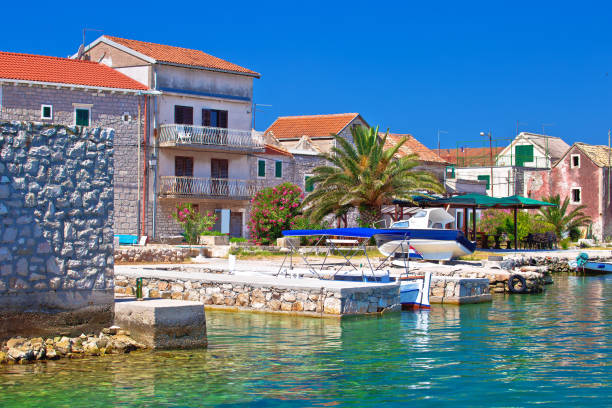
Some 30 km from Dubrovnik, Trebinje (Bosnia and Herzegovina) reveals a well-preserved Ottoman bazaar, an Orthodox church perched on the heights, and vineyards producing local varietals žilavka and vranac.
Trebinje is a city in Bosnia and Herzegovina, not Croatia — it belongs to the Republika Srpska (the Serb-majority entity), in the Herzegovina region. Nestled on the Trebišnjica River, some thirty kilometers from Dubrovnik, it charms with its Ottoman historical center, vineyards, and distinctive Mediterranean atmosphere. Less frequented than Croatian coastal destinations, it offers an authentic counterpoint to the bustling Adriatic Riviera.
Quick Facts
Country: Bosnia and Herzegovina (Republika Srpska) — EU passport or ID card required at the border
Currency: Bosnian convertible mark (BAM); euros are sometimes accepted but the exchange rate is unfavorable
Language: Serbian (Cyrillic and Latin script); some English spoken in cafés and hotels
Recommended duration: half a day to a full day from Dubrovnik
Access: car recommended; regular buses from Dubrovnik (border crossing included)
What to See
The heart of Trebinje is its old Ottoman bazaar (Stara čaršija), a maze of cobbled alleyways lined with 17th–18th-century arcaded houses. The Osman Pacha Mosque, built in the 17th century, overlooks the main square. On Crkvina Hill, the Church of Saint John the Baptist (Hercegovačka Gračanica), a replica of the medieval Gračanica monastery in Kosovo, offers panoramic views across the city and valley.
The Trebišnjica River, one of Europe's longest underground rivers, runs through the city and creates a verdant setting perfect for strolls. The surrounding vineyards produce žilavka (white) and vranac (red), two renowned local varietals.
History and Context
Trebinje is one of Herzegovina's oldest cities. Mentioned as early as the 10th century, it fell under Ottoman rule in the 15th century, a period that shaped its bazaar architecture. The city later became part of the Austro-Hungarian Empire in the late 19th century, leaving a few architectural traces from that era. Today it belongs to Republika Srpska, the Serb-majority entity of Bosnia and Herzegovina.
Highlights of a Visit
The Old Town and Ottoman Bazaar
Stara čaršija concentrates cafés, artisans, and small restaurants within a compact area. The atmosphere is relaxed, far removed from tourist crowds. Terraces overlook the river or main square, ideal for watching local life unfold over a Bosnian coffee.
Hercegovačka Gračanica Church
Built in the early 2000s atop Crkvina Hill, this Orthodox church replicates the proportions of the medieval Gračanica monastery. The walk up from the center takes roughly fifteen minutes. The panorama over Trebinje's rooftops and the Trebišnjica plain makes the effort worthwhile.
Vineyards and Local Gastronomy
Herzegovina enjoys exceptional sunshine. Several wine estates on the outskirts of Trebinje offer tastings. Local cuisine blends Ottoman and Mediterranean influences: ćevapi, grilled lamb, sheep's cheese, and local wines.
Etiquette and Visit Guidelines
To visit the Osman Pacha Mosque, cover shoulders and knees; women should cover their heads
Remove your shoes before entering the mosque
In Hercegovačka Gračanica Church, appropriate dress is expected
Respect prayer times at the mosque
Photography Tips
Morning light is ideal for photographing Stara čaršija before the terraces fill up. From Crkvina Hill, the sunset over the valley is particularly photogenic. Inside places of worship, ask permission before photographing.
Location and Access
Trebinje lies in Bosnia and Herzegovina, approximately 30 km northeast of Dubrovnik by road. Border crossings (Ivanica or Nudo) are generally smooth outside peak summer season. Regular buses connect Dubrovnik to Trebinje; the journey takes roughly an hour. A car offers more flexibility for exploring surrounding vineyards. The historical center is accessible on foot from parking areas on the immediate periphery.
Nearby Attractions
Dubrovnik — the fortified medieval city of the Dalmatian coast, the natural starting point for a Trebinje excursion.
Konavle — Croatian agricultural valley between Dubrovnik and the Bosnian border, known for its vineyards and traditional crafts.
Cavtat — small coastal town south of Dubrovnik, quieter and blessed with an attractive waterfront.
Frequently asked questions
No. Trebinje is in Bosnia and Herzegovina, within the Republika Srpska entity. A border crossing is necessary from Croatia. EU citizens may use their ID card.
Yes, the distance is about 30 km. Half a day suffices for the historical center; allow a full day if you wish to visit a winery.
The Bosnian convertible mark (BAM) is the official currency. Bring cash; euros are sometimes accepted but at an unfavorable rate. ATMs are available downtown.
Spring (April–May) and autumn (September–October) offer pleasant temperatures and fewer tourists. Summer is hot and dry; winter remains mild thanks to Mediterranean influence.
Yes. For the mosque, covered shoulders and knees are required; women cover their heads and everyone removes their shoes. For the church, appropriate dress is expected.
Yes. Trebinje pairs naturally with Dubrovnik and the Konavle valley on the Croatian side, or with Mostar and Kravice Falls on the Bosnian side for a Herzegovina circuit.
Want to discover this destination?
Our local advisors design your tailor-made trip.