Cavtat
Cavtat
Once the ancient Greek and Roman settlement of Epidaurum, Cavtat is a laid-back Dalmatian coastal town known for Ivan Meštrović's Račić Mausoleum and the museum dedicated to painter Vlaho Bukovac.
Cavtat is a small Croatian coastal town, nestled on a wooded peninsula about twenty kilometers south of Dubrovnik. An ancient Greek and later Roman city, it offers a lively waterfront, a compact old town, and panoramic views of the Elaphiti Islands. Less crowded than Dubrovnik, it charms with its relaxed pace, stone-paved alleyways, and artistic heritage tied to painter Vlaho Bukovac.
Practical Information at a Glance
Access from Dubrovnik: water taxi (regular service from the old harbor) or coastal bus line — the simplest and most pleasant option.
Recommended duration: a half-day is enough for the center; a full day if you wish to hike across the peninsula.
Dress code: smart casual recommended when visiting churches and the Račić Mausoleum.
Accessibility: the waterfront (Riva) is accessible, but the stepped alleyways of the old town are challenging for those with mobility issues.
What to See
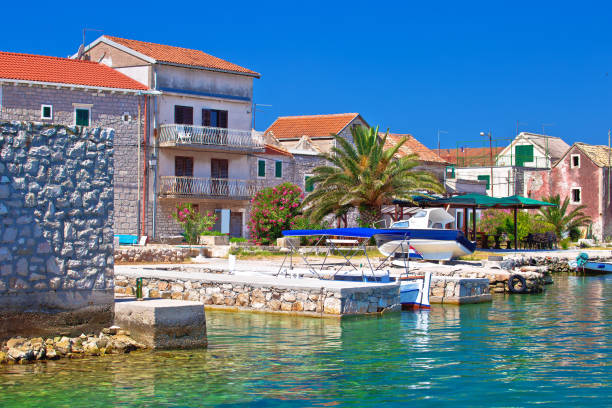
The heart of Cavtat revolves around the Riva, a promenade lined with restaurants and palm trees overlooking the bay. Perched on the hill above the town, the Račić Family Mausoleum, sculpted by Ivan Meštrović in 1922, stands as the site's major architectural work. The Vlaho Bukovac Museum, housed in the painter's childhood home, showcases his canvases and personal possessions. St. Nicholas Church and the Franciscan monastery round out the religious heritage.
History and Context
Cavtat occupies the site of ancient Epidaurum, a Greek colony founded around the 4th century BCE, later a thriving Roman town. Destroyed by the Avars and Slavs in the 7th century, its inhabitants reportedly fled to establish Ragusa — present-day Dubrovnik. During the Middle Ages, Cavtat fell under the dominion of the Ragusa Republic. Painter Vlaho Bukovac (1855-1922), a leading figure in Croatian Realism, was born here and bestowed upon the town an enduring artistic legacy.
Highlights of Your Visit
The Račić Mausoleum
Perched atop the peninsula, this white-stone mausoleum is considered one of Ivan Meštrović's finest works. The high-relief sculpted angels and the interior dome create a striking atmosphere. The climb from the Riva takes about ten minutes on foot via a shaded pathway.
The Vlaho Bukovac Museum
The painter's restored childhood home displays his portraits, landscapes, and genre scenes. It is one of Croatia's rare monographic museums dedicated to a 19th-century artist within his original setting.
A Walk Around the Peninsula
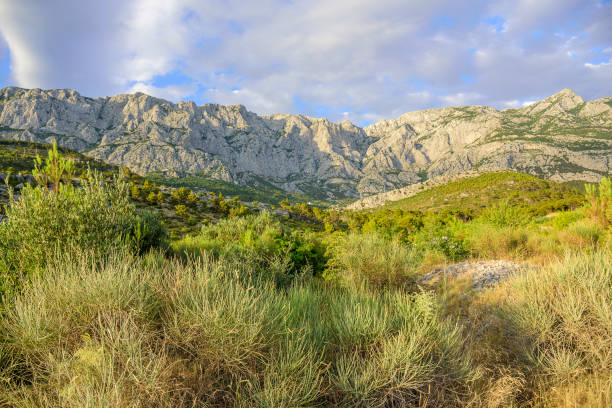
A trail circles the wooded peninsula in under an hour. It offers sweeping views of Cavtat Bay, the Elaphiti Islands, and on clear days, the Montenegrin coast. Shaded by pines and cypress trees, it remains pleasant even in summer.
The Riva and Harbor
The waterfront concentrates terraces, fishing boats, and pleasure craft. This is where activity peaks in the evening, in an atmosphere considerably more tranquil than Dubrovnik's.
Etiquette and Visiting Rules
Cover shoulders and knees when entering churches and the mausoleum.
The Račić Mausoleum is a burial place: silence and discretion are essential.
Respect the opening hours of the Franciscan monastery, which remains an active place of worship.
Photography Tips
Morning light is ideal on the Riva, before cruise boats arrive. For the mausoleum, late-afternoon light passes through the dome, illuminating the sculptures. From the peninsula trail, sunset provides a natural frame over the bay. Photography is permitted in outdoor spaces; ask at museum entrances about interior photography.
Location and Access
Cavtat sits on the Dalmatian coast in the Dubrovnik-Neretva region, approximately 20 km south of Dubrovnik. The water taxi from Dubrovnik's old harbor is the most convenient and pleasant option. The coastal bus also connects the two towns. By car, the route hugs the shore south from Dubrovnik. Dubrovnik International Airport is situated in immediate proximity to Cavtat, making it often the first or last stop on a region visit.
Nearby Attractions
Dubrovnik Old Town — medieval ramparts and UNESCO-listed historic center, about twenty kilometers to the north.
Elaphiti Islands — an archipelago accessible by ferry from Dubrovnik, visible from Cavtat's peninsula.
Kotor (Montenegro) — a medieval fortified town approximately 90 km to the southeast, reachable by car or organized tour.
Frequently asked questions
The water taxi from Dubrovnik's old harbor is the most pleasant option. The coastal bus is an economical alternative. By car, expect around 30 minutes depending on traffic.
May-June and September-October offer a good balance: pleasant sea temperatures, limited crowds, and comfortable temperatures. July-August is high season, busier but also more lively.
Yes, easily. Spend the morning in Dubrovnik and the afternoon in Cavtat, or vice versa. The boat journey takes less than an hour.
It is generally open during the tourist season (spring-autumn), though hours vary. Check with the local tourism office before your visit.
Several small beaches and rocky coves line the peninsula. They are accessible on foot from downtown and remain less crowded than Dubrovnik's beaches.
Yes: shoulders and knees should be covered for churches, the Franciscan monastery, and the Račić Mausoleum. Pack a light shawl or garment to slip into your bag.
Want to discover this destination?
Our local advisors design your tailor-made trip.