Orebic
Orebic
Orebić, on the Pelješac Peninsula, blends pebble beaches, maritime heritage, and a 15th-century Franciscan monastery, facing the island of Korčula just 15 minutes away by ferry.
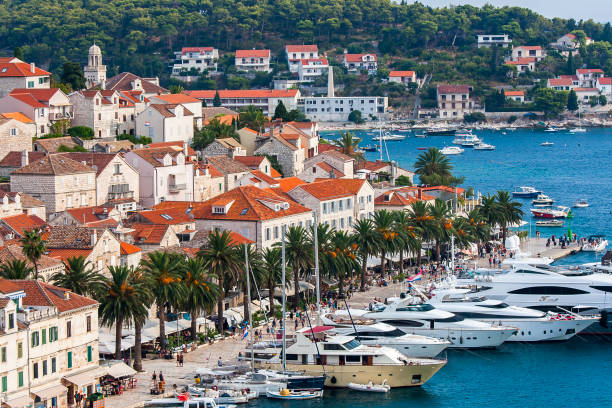
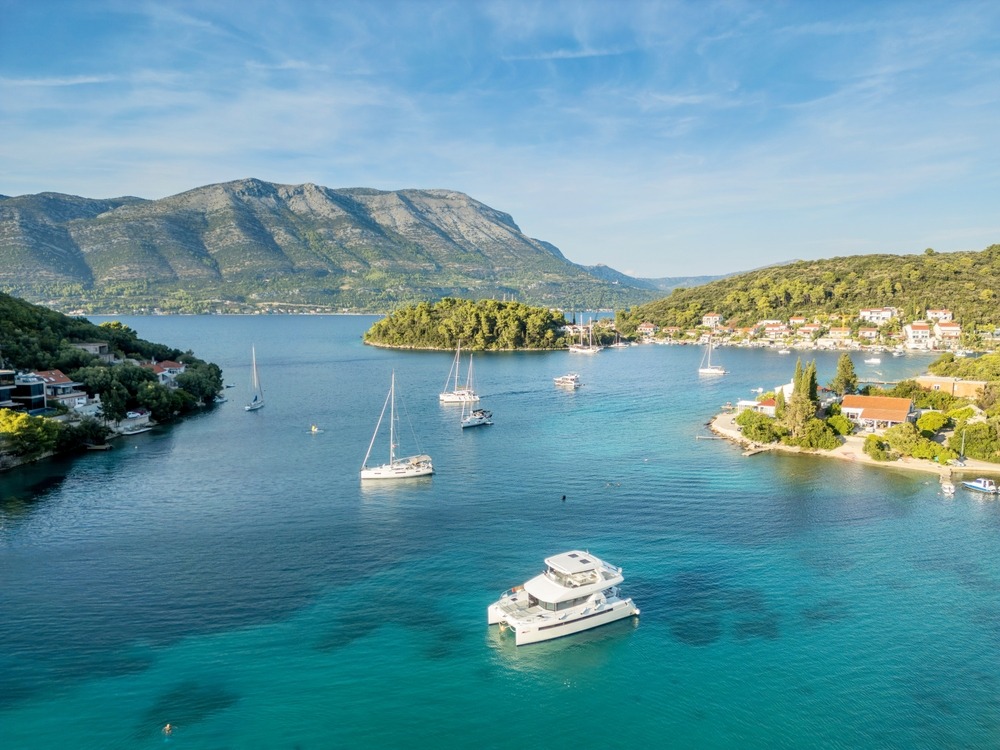
Orebić stretches across the Pelješac Peninsula, facing the island of Korčula, separated only by a narrow strait. A former port for ship captains, the town retains 19th-century merchant villas and a pebble beach renowned as one of Dalmatia's finest. Mount Sveti Ilija, which dominates the town, offers a backdrop of pine forests and views across the surrounding islands.
Quick practical information
Access from Dubrovnik: approximately 2 hours by car via the Pelješac Peninsula or by ferry from Korčula.
Orebić–Korčula ferry: short crossing (around 15 minutes); frequent departures in season.
Recommended duration: a full day to combine beach, old town, and monastery.
Dress code: cover shoulders and knees when visiting the Franciscan monastery.
What to see
The waterfront lined with stone pines runs alongside fine pebble beaches, including Trstenica Beach, one of the peninsula's most popular. The town centre preserves captains' villas with enclosed gardens, witnesses to a bygone maritime prosperity. Overlooking the town, the Franciscan monastery of Our Lady of the Angels has watched over the strait since the 15th century.
History and context
Orebić owes its wealth to great Dalmatian shipowner families who commanded merchant fleets throughout the Mediterranean in the 18th and 19th centuries. The local maritime museum traces this era through maps, navigation instruments, and captains' portraits. The Pelješac Peninsula, annexed to the Dubrovnik Republic from the 14th century onward, long served as a bulwark against Ottoman expansion.
Highlights of your visit
Franciscan monastery of Our Lady of the Angels
Founded in 1470, this monastery perched on a rocky promontory houses a venerated Madonna and Child that inspired devotion among sailors. The view over the Korčula strait from its terraces alone justifies the uphill walk from the town centre.
Trstenica Beach
A long stretch of fine pebbles lined with pines, it offers clear, shallow waters ideal for families. It remains easily accessible on foot from the town centre.
Maritime museum
Housed in a former captain's villa, it displays a collection of maps, instruments, and scale models documenting the golden age of Pelješac navigation.
Ascent of Sveti Ilija
The summit (961 m) is reached via a marked trail from Orebić. On clear days, the panorama encompasses the islands of Korčula, Hvar, and Lastovo. Bring sturdy footwear and plenty of water.
Etiquette and visit guidelines
Shoulders and knees must be covered to enter the Franciscan monastery.
Maintain quiet and discretion in the church and cloister.
Photography permitted in outdoor spaces; check restrictions inside the church.
Photography tips
Morning light is ideal on the waterfront and captain's villas. From the monastery terraces, sunset over the strait and Korčula's rooftops creates a natural frame. For the Sveti Ilija ascent, start early to avoid summer heat haze.
Location and access
Orebić is located at the south-western tip of the Pelješac Peninsula in southern Dalmatia. The route from Dubrovnik crosses the Pelješac wine peninsula, renowned for its red wines (Dingač, Postup). The ferry to Korčula departs from the central port. Buses connect Orebić to Dubrovnik and Split in season, with connections at Ston.
Nearby attractions
Korčula — Fortified medieval town 15 minutes away by ferry, often linked with Marco Polo.
Ston — Walled city and oyster capital, approximately 40 km east on the peninsula.
Pelješac vineyards — Dingač and Postup, two of Croatia's most acclaimed red wine appellations.
Dubrovnik — The UNESCO-listed old town, the natural starting point for exploring the region.
Frequently asked questions
June and September offer a good balance: warm sea, fewer crowds than July-August. The peninsula is pleasant from May onward for hiking and cultural visits.
A passenger ferry connects Orebić port to Korčula's old town in approximately 15 minutes. Departures are frequent during the summer season.
Yes: shoulders and knees must be covered. Bring a light scarf or garment, even in summer.
The trail is marked but demanding (significant elevation gain). It suits hikers in good physical condition, with sturdy footwear and adequate water.
Yes. The road between Orebić and Ston crosses the Dingač and Postup appellations. Several estates offer tastings; check locally for opening hours.
Want to discover this destination?
Our local advisors design your tailor-made trip.