Neretva
Neretva
The Neretva Delta forms a unique freshwater oasis on the Dalmatian coast: canals, mandarin orchards and migratory birds just minutes from Dubrovnik.
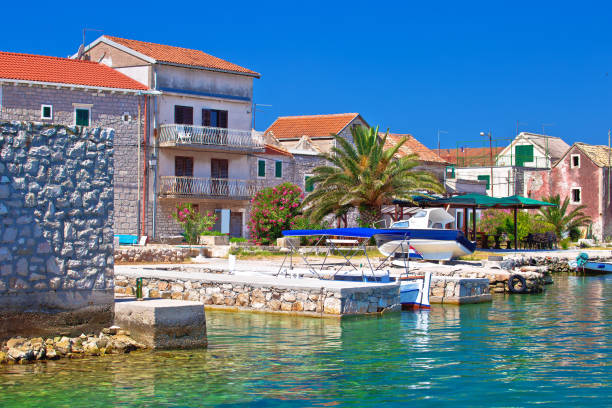
The Neretva is the only major river flowing into the Adriatic Sea from the eastern shore. Its delta, straddling Croatia and Bosnia and Herzegovina, forms a network of canals, lakes and freshwater marshes unique to the Dalmatian coast. Around Metković and Opuzen, the alluvial plain stands in stark contrast to the barren karst landscape surrounding it: mandarin groves, reed beds and migratory birds make it a world apart.
Quick Facts
Access: National road D219 runs along the river from Metković to the coast; the town of Metković is served by buses from Split and Dubrovnik.
Recommended duration: Half a day to a full day to explore the delta and its surroundings.
Best time to visit: Autumn (mandarin harvest, migratory bird passage) and spring (birdlife, vegetation).
What to wear: No particular dress code; bring shoes suitable for towpath walking.
What to See
The Neretva Delta is home to one of the rare freshwater wetlands on the Croatian Adriatic coast. Irrigation canals crisscross a plain covered in mandarin groves, the region's signature crop. Lakes Kuti, Desne and Parila welcome herons, egrets, ducks and, during migration, rare Mediterranean species.
History and Context
The Neretva has played a strategic role throughout Balkan history. The Narentines, a medieval Slavic people, controlled its mouth and threatened Venetian fleets. Today the river marks the natural border between Croatian Dalmatia and Bosnian Herzegovina. Partial marsh drainage in the 20th century transformed the delta into farmland while preserving wetland areas of ornithological importance.
Highlights of Your Visit
The Delta and Its Canals
Exploring the canals by boat or bicycle offers views of aquatic wildlife and waterside mandarin groves. The atmosphere is radically different from the rocky Dalmatian coast, just kilometres away.
The Mandarin Harvest
In October and November, Neretva mandarins flood the markets of Split and Dubrovnik. On site, roadside stalls allow you to buy directly from producers. It is one of southern Dalmatia's strongest signature products.
Birdwatching
The delta is a major stopover on the Adriatic migration route. Grey herons, spoonbills and terns frequent the lakes year-round; spring and autumn migrations bring rarer species.
Photography Tips
Morning light on the canals, with light mist rising from the reed beds, offers ideal conditions. In autumn, the contrast between the orange mandarin fruit and green foliage is particularly photogenic. From the raised canal banks, reflections in the water are sharp in calm conditions.
Location and Access
The Neretva Delta lies approximately 60 km north of Dubrovnik and about 100 km south of Split, along the Adriatic coastal road. The town of Metković is the main entry point on the Croatian side. Regular buses connect Metković to Split and Dubrovnik. The Bosnian border (Neum corridor) is crossed on this route; check your travel documents.
Nearby Attractions
Mostar Old Bridge — approximately 60 km inland along the Neretva on the Bosnian side, this 16th-century Ottoman bridge is one of the Balkans' most recognizable monuments.
Dubrovnik Old Town — approximately 60 km to the south, the medieval walled city is accessible by bus or car from Metković.
Neum — Bosnia and Herzegovina's only coastal town, crossed on the route between Split and Dubrovnik, with a short Adriatic frontage.
Ploče — Croatian port at the northern mouth of the delta, a starting point for exploring the delta lakes.
Frequently asked questions
Autumn (October-November) is ideal for the mandarin harvest and migratory bird passage. Spring is also favourable for birdlife and vegetation. Summer is hot and dry; the delta stays green thanks to irrigation, but wildlife is less visible.
The coastal road between Split and Dubrovnik crosses the Neum corridor in Bosnian territory. EU citizens pass with an ID card; other nationalities should verify entry conditions to Bosnia and Herzegovina before departure.
Metković is accessible by bus from Split and Dubrovnik. Cycling is a good way to explore the canals and groves. Local providers offer boat tours on the delta.
The delta benefits from status as an important birdwatching zone, but it is not classified as a national park. Part of the wetlands is protected under the Ramsar Convention on the Croatian side.
Yes. Heading up the Neretva valley from Metković, Mostar is accessible in about an hour's drive. Combining the delta in the morning and Mostar's old town in the afternoon is feasible in one day.
Want to discover this destination?
Our local advisors design your tailor-made trip.