The Bay of Kotor
The Bay of Kotor
Four Montenegrin gulfs stretching 30 km inland, just 1.5 hours from Dubrovnik: the Bay of Kotor blends fortified cities, baroque islets and dramatic mountain ridges.
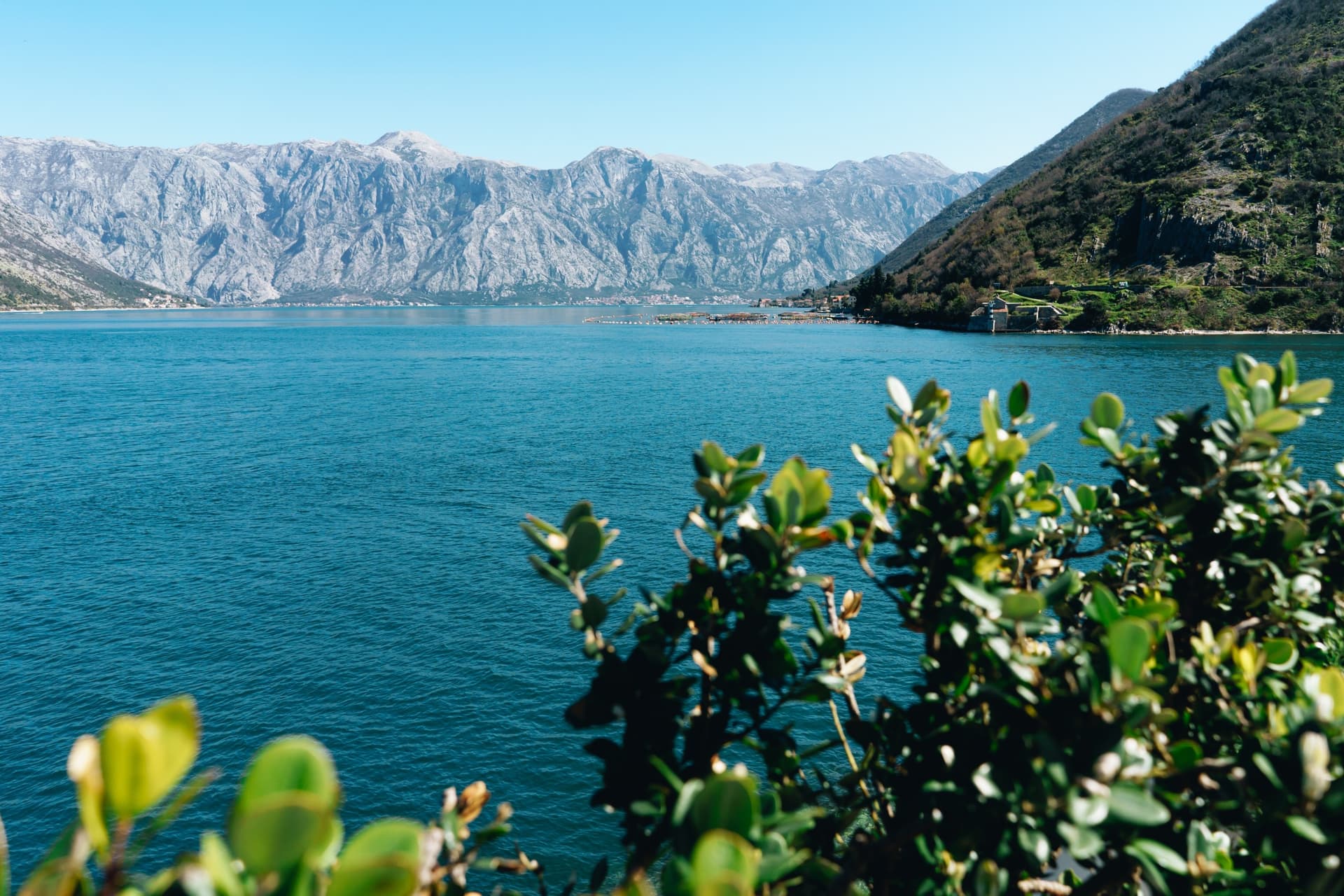
The Bay of Kotor comprises a succession of four Montenegrin gulfs that cut 30 km inland in the southern Adriatic. Though located in Montenegro, it makes a natural escape for travelers in Croatie: Dubrovnik is just 1.5 hours' drive away. Inscribed on the UNESCO World Heritage list, these nested bays bring together Venetian fortified cities, sacred islets, fishing villages and dramatic karst landscapes.
Why visit the Bay of Kotor from Croatie
Proximity to Dubrovnik makes the Bay of Kotor a logical extension of a southern Dalmatian stay. Crossing the border opens onto a landscape quite different from the Croatie coast: the bay is more enclosed, mountains plunge nearly vertically into the sea, and settlements remain human in scale. The fortified city of Kotor, a UNESCO site, can be explored in half a day. The density of attractions — ramparts, baroque palaces, islets, beaches, caves — makes it easy to fill one to three days without a dull moment.
History of the bay
The bay's shores have been inhabited since antiquity by Illyrian peoples. Under the Roman Empire, Kotor (Acruvium) became an active trading port. But it was the long Venetian rule (1420–1797) that left an indelible mark on the region. Kotor grew wealthy as a maritime center, its ramparts climbed the slopes of Mount Saint-Jean, and neighboring cities gained privileged status. Perast, positioned opposite the Strait of Verige, enjoyed the status of "free port" because of its strategic role in defending the bay.
After Venice came Austrian, French and Italian rule, before integration into Yugoslavia. This stratified heritage explains the coexistence of Romanesque, Gothic, Venetian Baroque and Ottoman elements in the villages. The entire ensemble was inscribed on the UNESCO World Heritage list in 1979.
What to see and do
Kotor, the fortified city
Capital of the bay, Kotor sprawls at the foot of steep coastal mountains. The old town is explored on foot: you'll find the Sea Gate, Saint Tryphon Cathedral (12th century), Saint Luke Square and the Montenegro Maritime Museum, housed in a Baroque palace. Allow half a day to explore the historic center at a relaxed pace.
Perast and the bay's islets
Perast lines up 16 churches, 17 palaces and several Baroque buildings along just a few hundred meters, attesting to its prosperity in the 17th and 18th centuries. The local museum, housed in a former palace, traces the village's maritime history. The Church of Saint Nicholas offers an unobstructed view over the bay. Offshore, two islets face each other: Saint George, natural, and Our Lady of the Rocks, artificial, reachable by shuttle from the quay for a modest fee.
The Ladder of Kotor
This former caravan route comprised 1,350 steps carved into the rock linking Kotor to the Njeguši plateau. The starting point lies near the old power station, outside the ramparts. The ascent reveals progressive views over the bay, abandoned chapels and old fortifications. Allow 3 to 4 hours for the round trip. An early start is recommended to avoid heat, as shade is rare on the path.
The Blue Cave
Located on the Luštica peninsula at the mouth of the bay, the Blue Cave is only accessible by boat from Kotor or Herceg Novi. Sunlight penetrating the cavity reflects off the limestone floor, giving the water its characteristic azure hue. Nearby, the submarine tunnels carved during the Yugoslav era once sheltered the fleet's submarines. A morning visit offers the best light.
Tivat and Porto Montenegro
A former naval base now converted, Porto Montenegro is today an international marina lined with yachts, shops and restaurants. The contrast with the rest of the bay is striking: contemporary architecture, international ambiance, pleasant for an evening stroll along the quays.
Lesser-known sites
- Lipci Site: Bronze Age rock paintings (hunting scenes, geometric figures) carved into limestone, accessible by a trail a few kilometers from Perast.
- Bjelila: hamlet of white stone houses on the Luštica peninsula, off the beaten tourist path.
- Kakrc: another discreet hamlet on the same peninsula.
- Rose: one of Montenegro's oldest ports, with a fishing village atmosphere.
Beaches nearby
Note: the most emblematic beaches are actually outside the bay, near Sveti Stefan on the open coast. The Milocer Beach (or Kings' Beach), backed by Villa Milocer — a former summer residence of Queen Maria of Serbia and later Tito's retreat — is now managed by Aman Resorts and sunbed access commands luxury-tier pricing. Within the bay itself, beaches are more modest and often pebbly.
Practical information
Access to Kotor's ramparts and several museums is fee-based (moderate rates). Most open-air sites (villages, the Ladder trail, viewpoints) are free. Boat excursions combining Our Lady of the Rocks, the Blue Cave and submarine tunnels can be booked at Kotor's quays or online; it's best to schedule them for the morning to benefit from calm seas. Bring closed-toe shoes for the ramparts and the Ladder, and a passport to cross the Croatie–Montenegro border.
When to visit
May, June, September and early October offer the most comfortable conditions: pleasant temperatures, moderate crowds and favorable light for photography. July and August are hot and very crowded, especially when cruise ships arrive and saturate Kotor around midday. Winter remains mild, but several establishments and excursions close.
How to get there
From Dubrovnik, allow approximately 1.5 to 2 hours of driving depending on border wait times at the Debeli Brijeg crossing. Car rental offers the greatest flexibility; direct buses and day-trip excursions are also available. Ferries across the Strait of Verige (between Kamenari and Lepetane) allow you to shorten the bay circuit. The nearest airport on the Montenegro side is Tivat.
Combine with
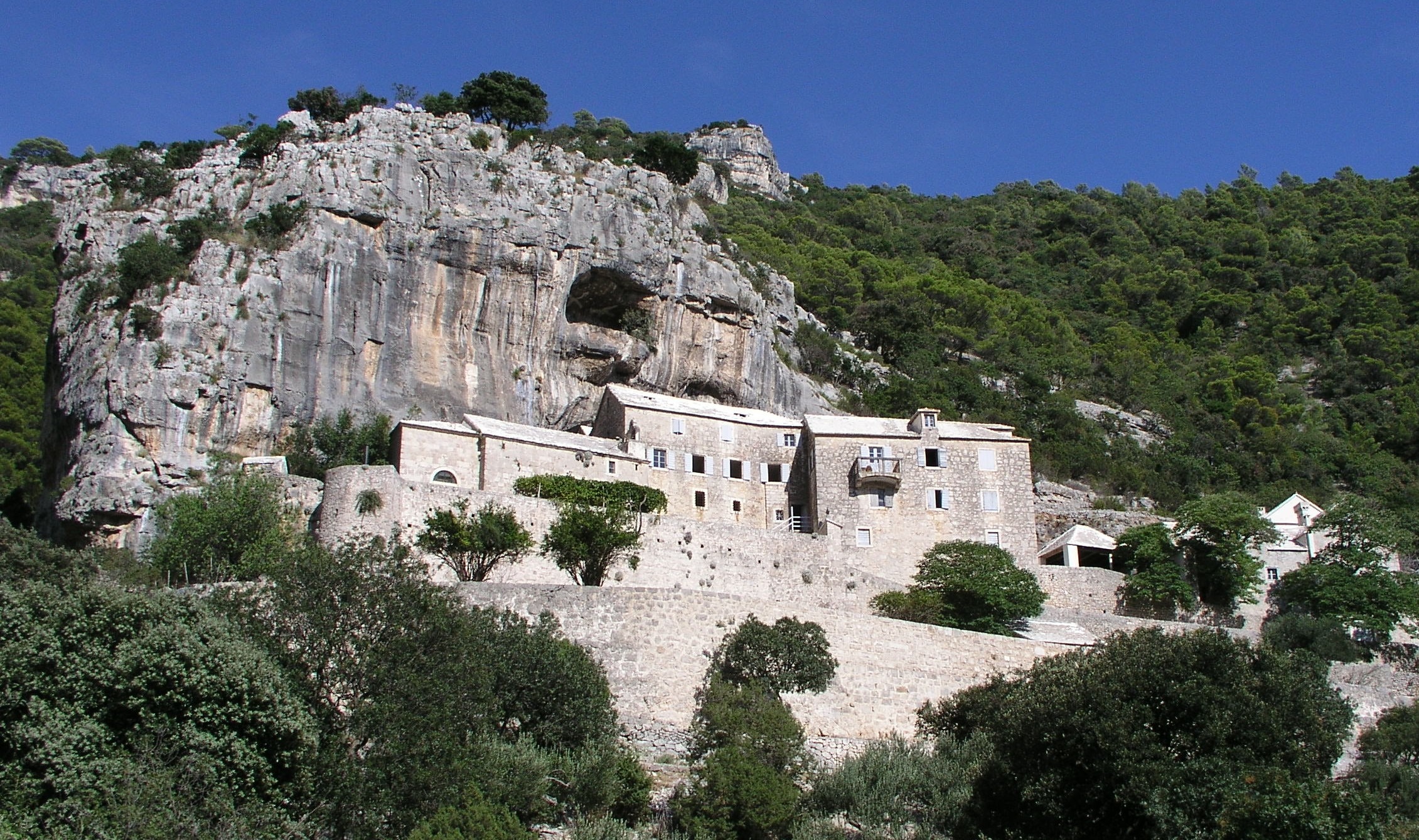
On the Croatie side, several sites naturally extend a visit to the Bay of Kotor. The Palace of Diocletian in Split illustrates the historical depth of the Adriatic coast. Further north, the Euphrasian Basilica of Poreč and Frankopan Castle complete a heritage itinerary. For a more contemplative stop, Blaca Hermitage on the island of Brač offers a counterpoint to the bustle of coastal sites.
FAQ
Frequently asked questions
From Dubrovnik, allow approximately 1.5 to 2 hours of driving, excluding border wait times. Direct buses and organized day-trip excursions are also available. A passport is required to enter Montenegro.
One day is enough to see the essentials: Kotor, Perast and the bay's islets. Two to three days allow you to add a hike up the Ladder of Kotor, a boat excursion to the Blue Cave, or exploration of the hamlets on the Luštica peninsula.
Kotor remains the most practical choice to enjoy the historic atmosphere and boat excursion departures. Perast offers a quieter setting. Dobrota and Tivat suit longer stays and family vacations with more beach focus.
Yes. Montenegro is not part of the Schengen area; a valid passport or identity card is required at the border crossing, including for European Union citizens.
Plan your trip
The Bay of Kotor fits easily into a southern Dalmatian stay. To build an itinerary combining the Croatie coast and a Montenegro escape, consult our Croatie travel suggestions.
Interested in this visit?
We can include it in your personalised itinerary.