Zagreb
Zagreb
A capital on a human scale nestled at the foot of Medvednica, Zagreb reveals itself through medieval alleyways, Austro-Hungarian squares, colorful markets and excursions toward Plitvice.
Zagreb, Croatia's capital, is also its largest city. The nation's cultural and economic hub, this destination captivates through its unique blend of medieval heritage and urban vitality. It unveils its treasures across two emblematic districts: the Upper Town and the Lower Town. Zagreb is an essential stop on any Croatia itinerary. Its numerous historical sites, cuisine, craft beers and distinctive atmosphere will undoubtedly seduce you.
History of Zagreb
Zagreb's origins trace back to 1094, when King Ladislas founded a diocese at Kaptol. The city developed around two medieval settlements: Kaptol, the religious seat, and Gradec, the fortified administrative center.
A major turning point came in 1242, when King Béla IV granted Gradec the status of a free royal city after its inhabitants protected him from Tatar invasions. The city then flourished rapidly thanks to its craftsmen and merchants.
The 16th century marked the unification of the two settlements under the name Zagreb. The city became the political center of Croatia and Slavonia in 1557. Austro-Hungarian architecture from the 18th and 19th centuries subsequently shaped the capital's present-day character.
Tourism in Zagreb: What to See and Do?
In the Upper Town
The Upper Town, perched on two hills (Kaptol and Gradec), is Zagreb's historic heart. Its cobblestone streets and ancient buildings will immerse you in an exceptional medieval atmosphere.
The Funicular
Begin your exploration of this part of the city with a ride on Zagreb's funicular, one of the world's shortest. Measuring just 66 meters, it connects the Lower Town to the Upper Town in less than a minute. This historic mode of transport has been in operation since 1890.
The Stone Gate (Kamenita Vrata)
This gate, a remnant of Gradec's former fortifications, is today a chapel. It houses an image of the Virgin Mary that reportedly survived a fire in 1731. The faithful still visit to light candles and pray.
Lotrščak Tower
Lotrščak Tower was erected in the 13th century to protect the city. It is known for its cannon that fires once daily at noon, a tradition dating back more than a century. The defensive structure is perfectly preserved, and its summit offers panoramic views over Zagreb.
St. Mark's Church (Sveti Marko)
This is one of Zagreb's most emblematic monuments. It is best recognized by its roof of polychromatic glazed tiles, adorned with coats of arms symbolizing the unification of the kingdoms of Croatia, Dalmatia and Slavonia. The city of Zagreb's coat of arms also appears here (the white castle on a red background). The interior, though more austere, reflects the sacred character of the place. The religious edifice, constructed in the 13th century and later modified in the 15th, blends Romanesque and Gothic elements.
Zagreb Cathedral
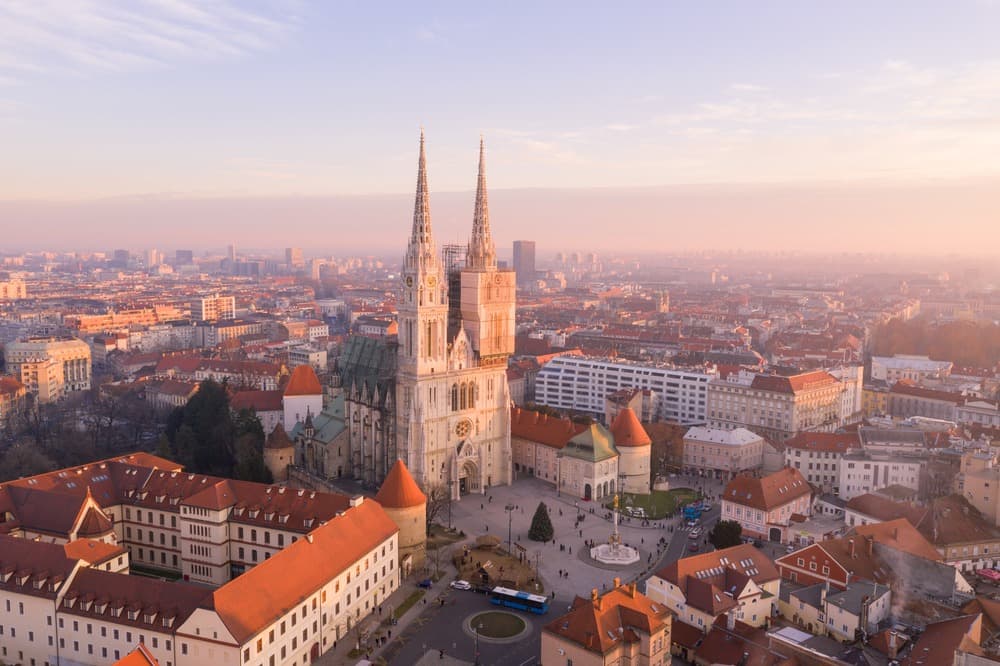
The majestic Zagreb Cathedral, with its magnificent Gothic spires, dominates the entire city. It is dedicated to the Assumption of the Virgin Mary and to Saints Stephen and Ladislas. Inside, you can admire remarkable frescoes and religious treasures.
The Gric Tunnel
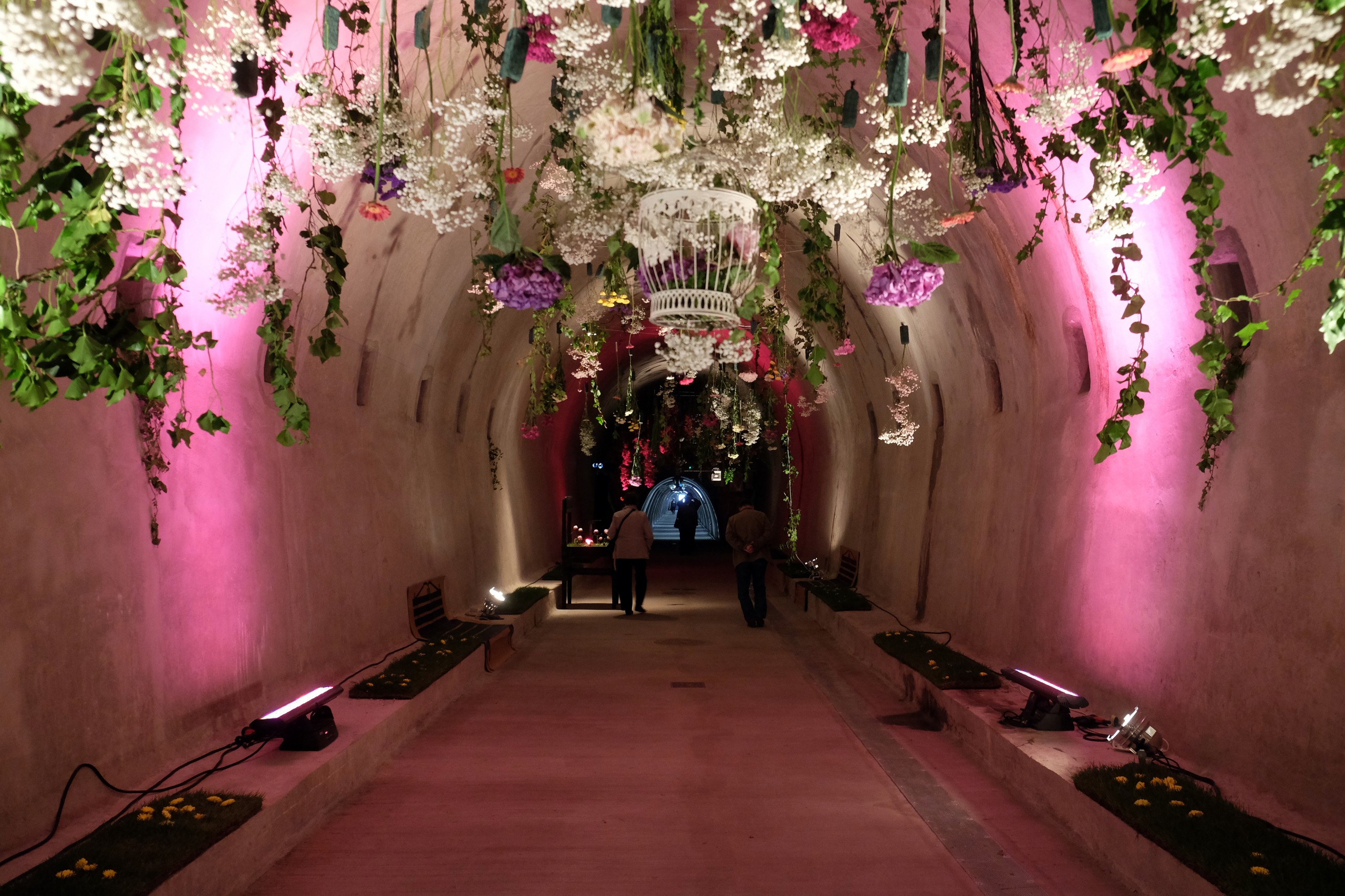
Built during World War II as an air-raid shelter, this underground tunnel is today a cultural space. It also serves as a practical passage for moving between different neighborhoods of the city.
Museum of Broken Relationships
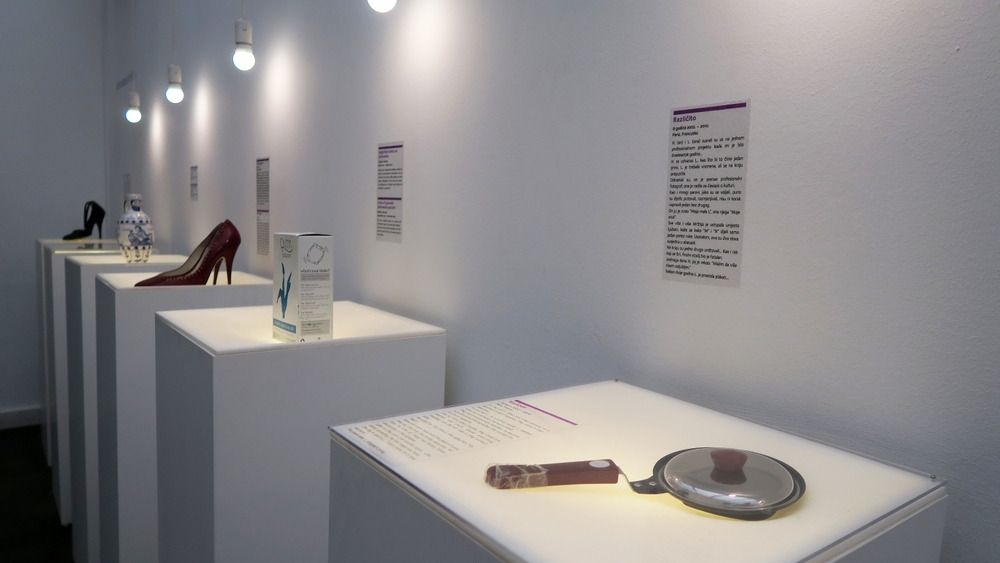
Unique in its kind, this museum offers a collection of objects donated by people from around the world. The exhibitions reflect ended romantic relationships. Funny, moving and sometimes surprising, this attraction is an original and unmissable stop in Zagreb's old town.
St. Catherine's Church
A baroque jewel of the 17th century, this church is renowned for its richly decorated interior. Its frescoes and sculptures make it one of Zagreb's finest religious buildings.
In the Lower Town
The Lower Town constitutes Zagreb's nerve center. You will also discover numerous interesting attractions here.
Tkalčićeva Street
Thrumming with crowds from morning until evening, Tkalčićeva is Zagreb's liveliest street. With its restaurants, bars and small shops, it offers a convivial atmosphere and a glimpse into the lives of Zagrebians.
Ban Jelačić Square
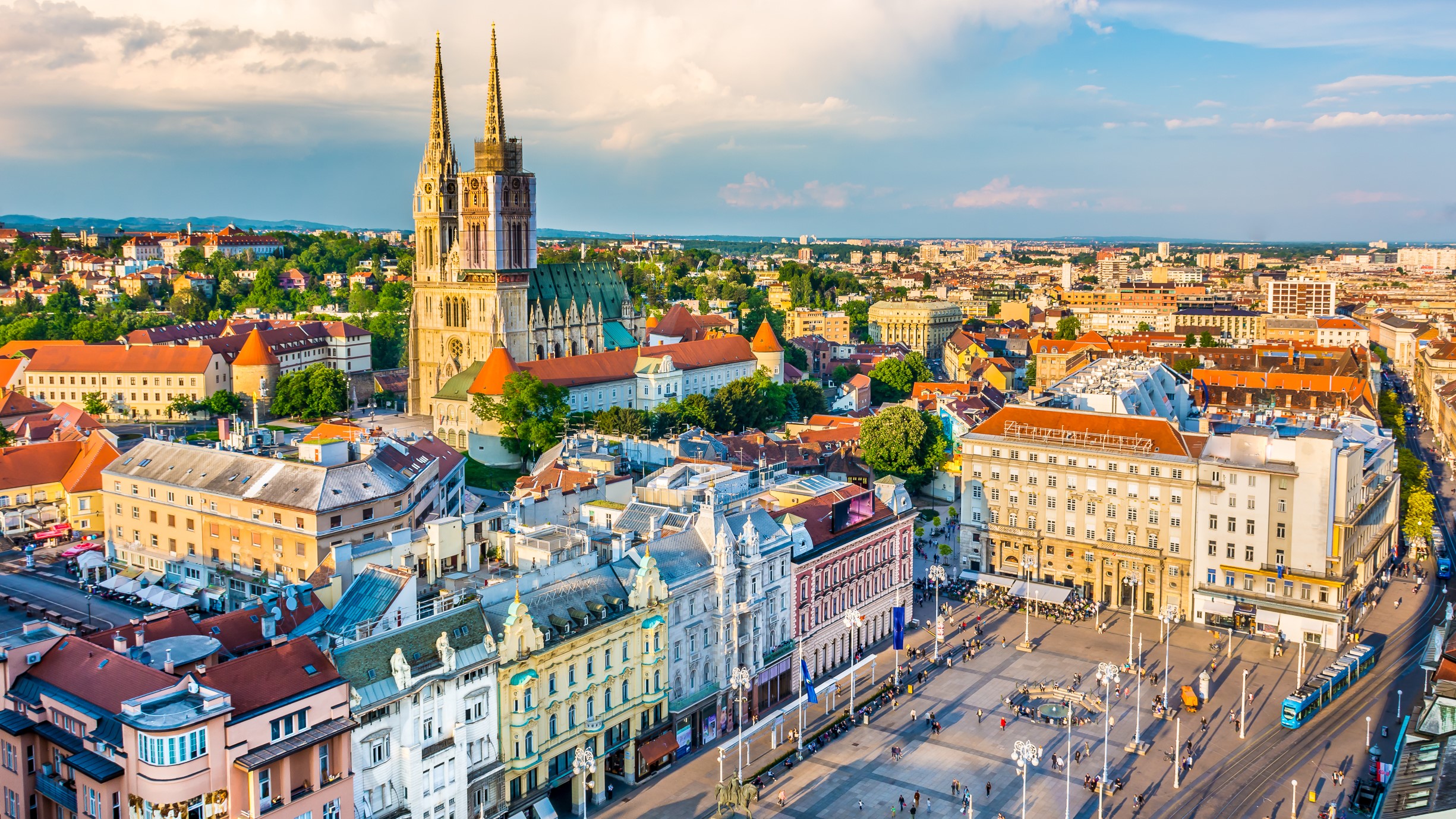
Ban Jelačić Square is the true heart of the city of Zagreb. It is the ideal starting point for exploring the surroundings. It houses an equestrian statue of Ban Jelačić, a Croatian national hero.
Zrinjevac Park
This haven of peace situated in the midst of the city captivates with its tree-lined avenues of plane trees and fountains. It constitutes a perfect place to relax. In summer, this park hosts open-air concerts, while in winter it is adorned with lights for Christmas festivities.
Croatian National Theatre
The Croatian National Theatre in Zagreb (Hrvatsko narodno kazalište u Zagrebu, or HNK Zagreb) is also among the city's most prestigious and emblematic monuments. Its current building, inaugurated on October 14, 1895, was designed by the renowned Vienna architects Ferdinand Fellner and Hermann Helmer. It reflects the neo-baroque style, characterized by its richly decorated façade and architectural elegance. Inside, the edifice impresses with its sumptuous auditorium, decorated with frescoes, gilding and majestic chandeliers.
Dolac Market
Nicknamed "the belly of Zagreb," this market is the ideal place to discover local products. Fruits, vegetables, cheeses, cold cuts and artisanal souvenirs are displayed on its colorful stalls.
Practical Information
When to Visit Zagreb?
The best time to visit Zagreb is between May and September, when the weather is sunny and pleasant. However, winter, with its Christmas markets and magical ambiance, is also worth considering.
By plane: Franjo Tuđman Airport is located 17 km from the city center and is served by numerous airlines and European cities such as Paris, Marseille and Lyon.
By train: Zagreb is connected to several major European cities, notably Budapest, Vienna and Ljubljana.
By car: Croatian roads are in excellent condition, making access by car convenient from neighboring countries.
On foot: Most attractions are accessible on foot, especially in the city center.
By tram: Zagreb's tram network is efficient, with lines covering the entire city.
By taxi or ride-hailing: Services such as Bolt and Uber are available in Zagreb.
How Many Days Do You Need to Explore Zagreb?
Zagreb's main attractions can be visited in 2 to 3 days. If you wish to explore its surroundings, plan an additional 1 or 2 days.
What Currency is Used in Zagreb?
Croatia's official currency is the euro (EUR) since January 1, 2023. Before that date, the country used the Croatian kuna (HRK). Since the adoption of the euro, all transactions are conducted in euros, and prices are displayed in this currency.
Is Zagreb a Safe City?
Zagreb ranks among Europe's safest capitals for travelers. Violent crime remains exceptionally rare in this metropolis where residents, known for their hospitality, are mindful of their neighborhoods' tranquility.
Tourist zones call for standard vigilance against pickpockets, particularly around Dolac Market and Ban Jelačić Square during peak hours. Women traveling alone will appreciate the sense of security, even in the evening.
Municipal police maintain a visible presence in central streets. Regular patrols and excellent public lighting enhance nocturnal safety. Simple basic caution is all you need to enjoy Zagreb's charm without concern.
Attractions in Zagreb
See all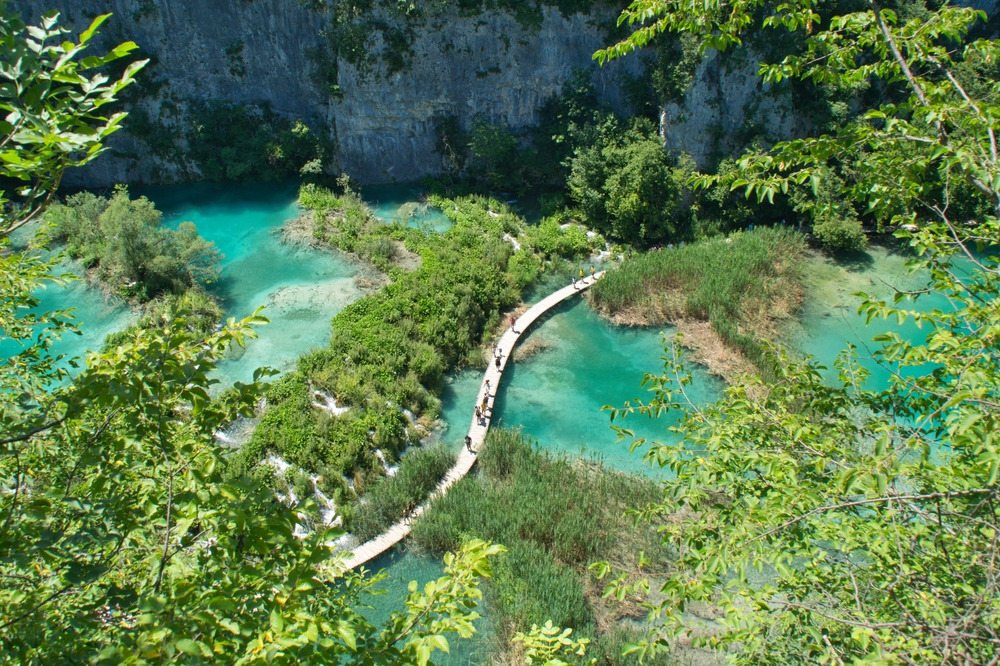
Parc national des Lacs de Plitvice
Classé à l'UNESCO, le parc des lacs de Plitvice aligne 16 lacs en terrasses et 92 cascades entre Zagreb et Zadar, sur près de 30 000 hectares de forêts.
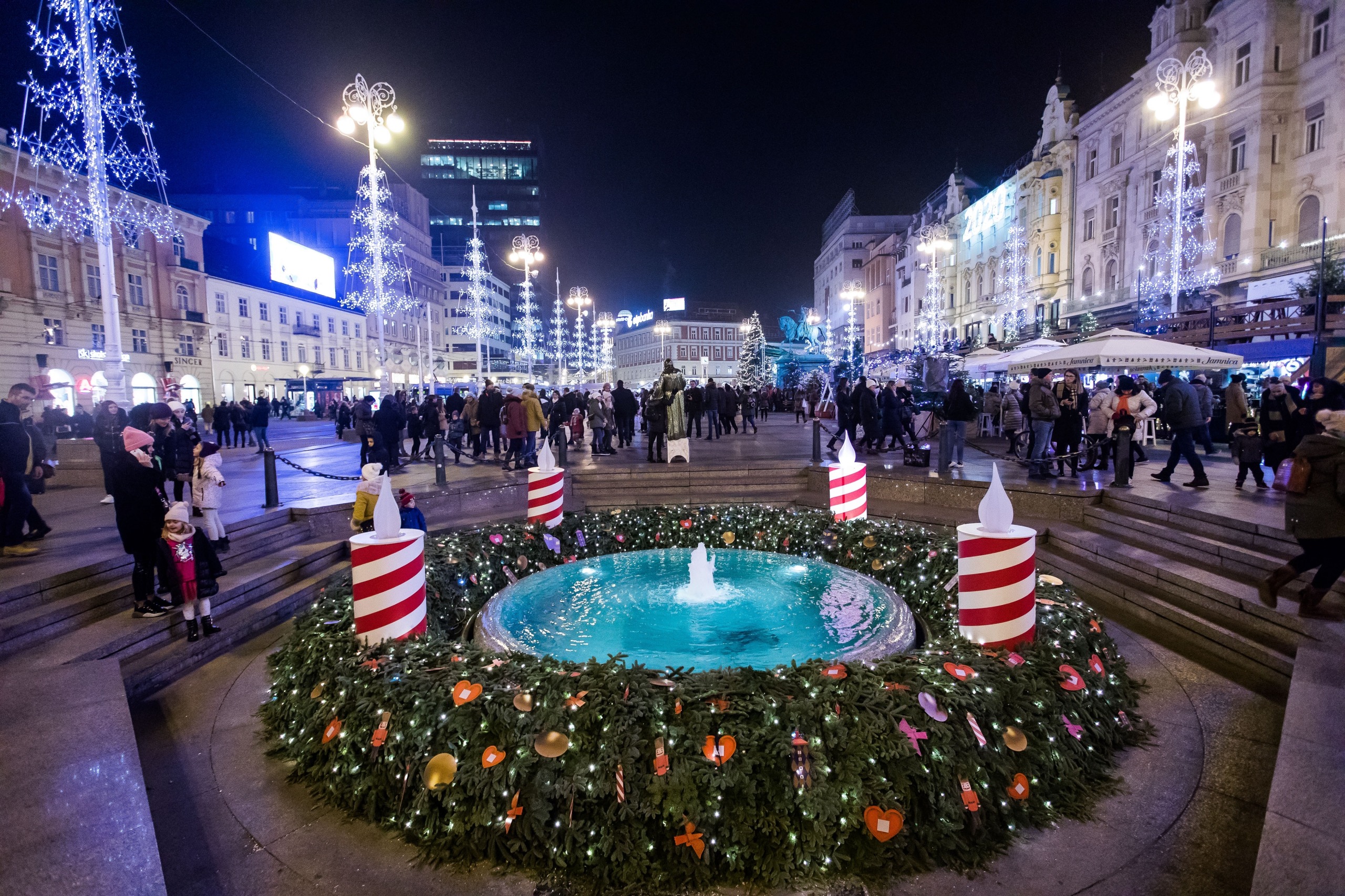
La place Ban
Cœur civique de Zagreb, la place Ban-Jelačić concentre quatre siècles d'histoire croate, une statue équestre emblématique et la fontaine Manduševac.
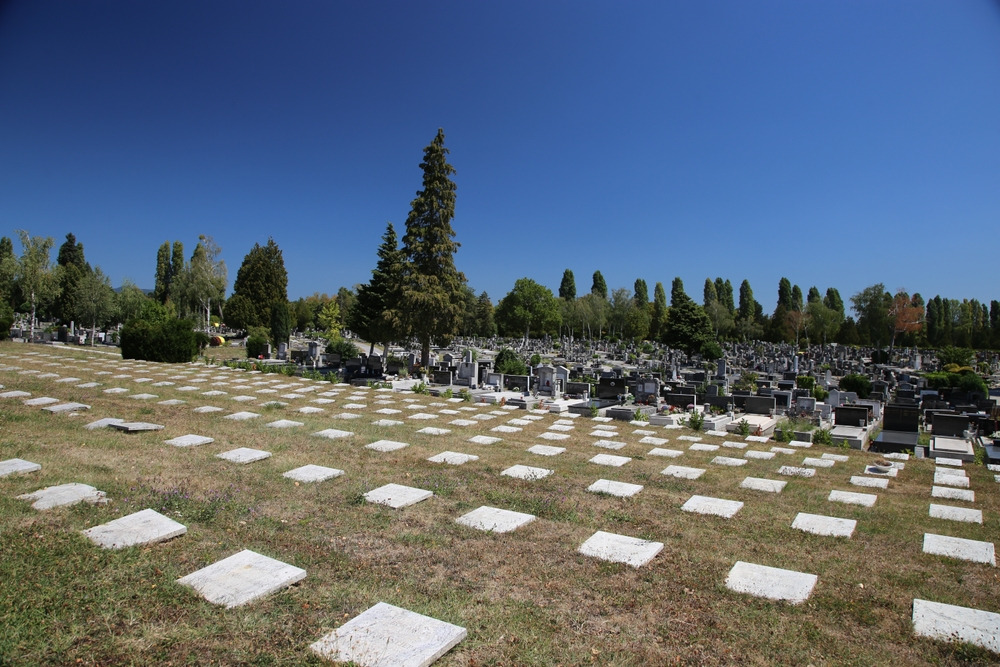
Cimetière de Mirogoj
Cimetière monumental de Zagreb conçu par Hermann Bollé, célèbre pour ses arcades néo-Renaissance, ses sculptures funéraires et son caractère multiconfessionnel.
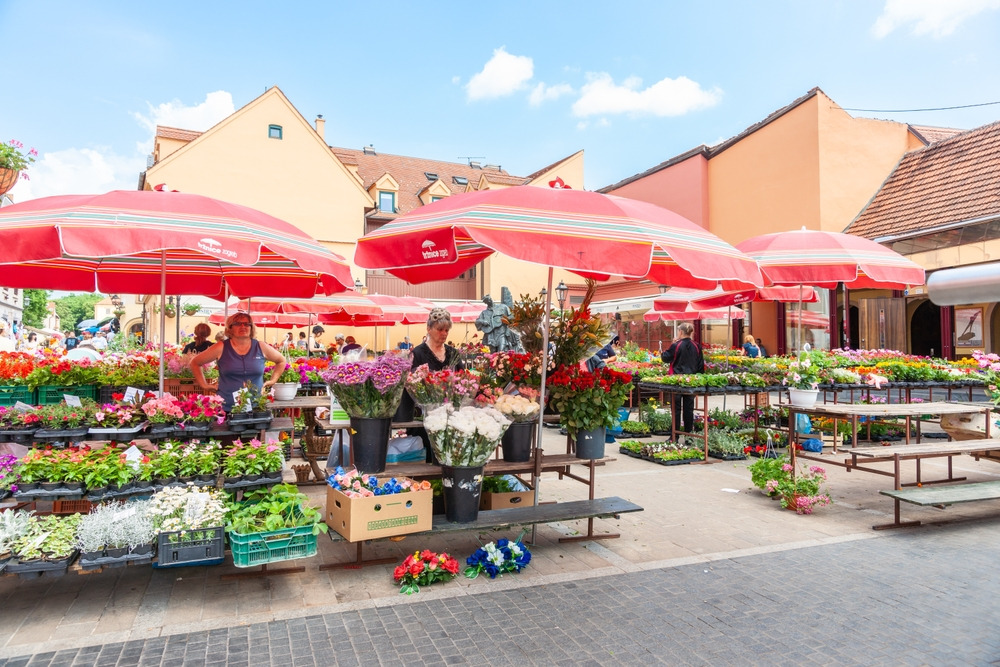
Marché de Dolac
Surnommé « le ventre de Zagreb », le marché de Dolac réunit sous ses parasols rouges les producteurs et les saveurs de toute la Croatie depuis 1930.
Musée des relations rompues
Dans la Haute-Ville de Zagreb, le Musée des relations rompues expose des objets donnés après une séparation, accompagnés du récit anonyme de leurs propriétaires.
Le tunnel Grič
Ancien abri anti-bombes de 1943 traversant Gornji Grad sur 350 mètres, le tunnel Grič accueille aujourd'hui expositions et animations au cœur de Zagreb.
Want to discover this destination?
Our local advisors design your tailor-made trip.