Pelješac
Pelješac
Croatia's second-largest peninsula, Pelješac brings together the ramparts of Ston, Plavac Mali vineyards, Mali Ston oysters and access to Korčula.
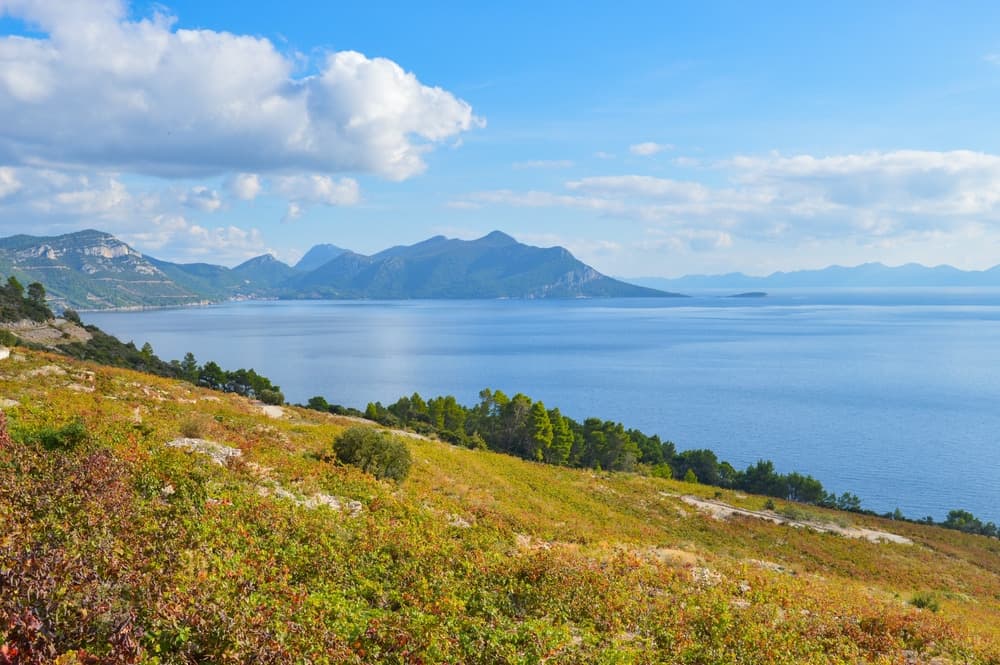
Stretching 70 km, Pelješac is Croatia's second-largest peninsula. Located some fifty kilometers north of Dubrovnik, it combines classified vineyards, Europe's longest fortifications, medieval salt marshes still in operation, reputed oyster farms and a coastline dotted with pebble beaches. Orebić, its main settlement, serves as an embarkation point to Korčula.
Why visit Pelješac
The peninsula offers several rare assets within mainland Croatia: exceptional fortified heritage at Ston, recognized viticulture (Plavac Mali), protected-origin shellfish production at Mali Ston, and mountainous terrain culminating at 961 m on Mount Sv. Ilija. Distances remain modest, making it easy to combine heritage, gastronomy and outdoor activities over a few days. A bridge inaugurated in 2021 now connects Pelješac to the Croatian mainland without transit through Bosnia-Herzegovina, simplifying access from Split.
History
Originally inhabited by Illyrians in contact with Greek seafarers, the region gradually came under Roman influence and became part of the province of Illyricum in 168 BC. Following Rome's fall, it was integrated into the Byzantine Empire, before the arrival of Slavic peoples in the 9th century.
Pelješac was annexed by the Republic of Ragusa (Dubrovnik) in 1333. Ston then became a fortified bastion designed to protect the salt pans, while Orebić developed as a maritime center. After Ragusa's fall in 1808, the peninsula came under Austrian rule, then joined Yugoslavia in 1918. It became part of independent Croatia in 1991.
What to see and do
The ramparts of Ston
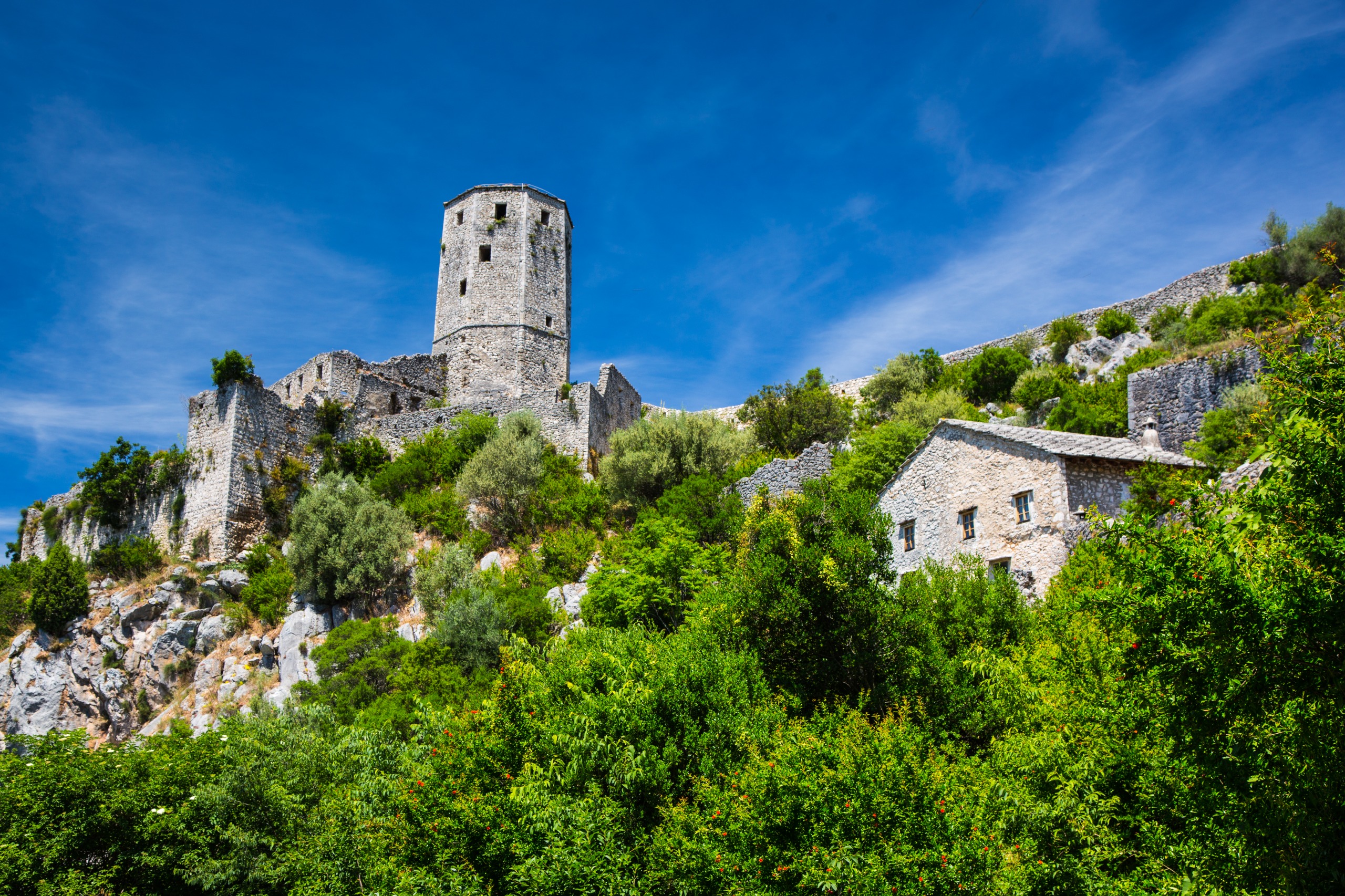
Built by the Republic of Dubrovnik in the 14th century to protect salt pans, Ston's ramparts constitute Europe's largest fortification at 5.5 km in length. The complex includes 3 forts, 41 towers, 7 bastions and a water-filled moat. Walking the walls offers views over the salt marshes and Mali Ston bay. Prefer early morning or late afternoon in summer to avoid heat on exposed sections.
Ston salt marshes
Dating from the 14th century, Ston's salt marshes rank among Europe's oldest still in operation. Their 9 basins produce approximately 530 tonnes of salt annually using methods that remain artisanal. Traditional harvesting takes place between July and September; it's possible to participate occasionally as part of organized visits on-site.
Vineyards and gastronomy
Pelješac is one of Croatia's premier wine regions. The emblematic red varietal Plavac Mali produces powerful wines, while the whites Pošip and Grk offer more mineral profiles. Several estates welcome visitors:
- Madirazza, Matusko, Milicic in Potomje, the historic heart of Plavac Mali
- Milos in Ston
- Saints Hills Winery in Zadvarje
- Korta Katarina in Pošip
At table, Mali Ston oysters and mussels, farmed in the bay for centuries, are the local specialty. They pair beautifully with a white from the peninsula.
Hiking and outdoor activities
Mount Sv. Ilija (961 m) is the peninsula's highest point. Two main trails lead there: the Nakovane route, which is accessible, and the Bilopolja route, more demanding. The village of Viganj, perched opposite Korčula across a funnel-shaped channel, benefits from afternoon Maestral winds and ranks among Croatia's top windsurfing spots. For climbing, the Hrid site near Orebić offers several equipped routes.
Diving and underwater heritage
Pelješac's waters harbor caves, gorgonians and several dive-accessible wrecks: the vessel Boka sunk in 1981, a Roman ship estimated at around 2,000 years old, and the German torpedo boat S-57 sunk near Lirica lighthouse in 1944.
Beaches
The coastline features several reputed beaches, alternating fine pebbles and quiet coves: Prapratno, Zuljana, Divna, Duba, Podobuče, Orebić and Viganj. Prapratno also serves as the embarkation point for Mljet.
Orebić
The peninsula's main settlement, Orebić preserves a rich maritime past. The Maritime Museum traces the history of local sea captains, and the Franciscan monastery of Our Lady of the Angels, perched above the village, opens onto a broad panorama of the channel separating Pelješac from Korčula.
When to visit
May, June and September offer the best conditions: mild temperatures, swimmable sea and moderate crowds. July and August remain pleasant on the coast but require stricter planning (accommodation reservations, visiting ramparts early morning). Salt harvesting at Ston runs from July to September, and harvests typically occur from late August to October depending on the estate.
How to get there
From Dubrovnik: buses connect the bus station to Orebić in approximately 2 hours 15 minutes, serving peninsula villages (Mali Ston, Ston, Putnikovići, Drače, Potomje…).
From Split: direct buses use the Pelješac bridge inaugurated in 2021, which connects the peninsula to the Croatian mainland without transit through Bosnia-Herzegovina.
By car, the bridge has significantly shortened travel times and eliminated border crossings.
Practical information
- Allow 2 to 4 days to explore Pelješac thoroughly (heritage, vineyards, beaches).
- Ston's ramparts are visited on ticket; moderate rates, full route access not recommended mid-day in summer.
- Wine estates generally welcome visitors by appointment, especially outside season.
- A rental car greatly facilitates travel between Ston, Potomje and Orebić.
Nearby
From Pelješac, two island excursions organize easily:
- Mljet, accessible by ferry from Prapratno, with its national park surrounding two salt-water lakes.
- Korčula, served by ferries from Orebić, a fortified town presented by local tradition as the birthplace of Marco Polo.
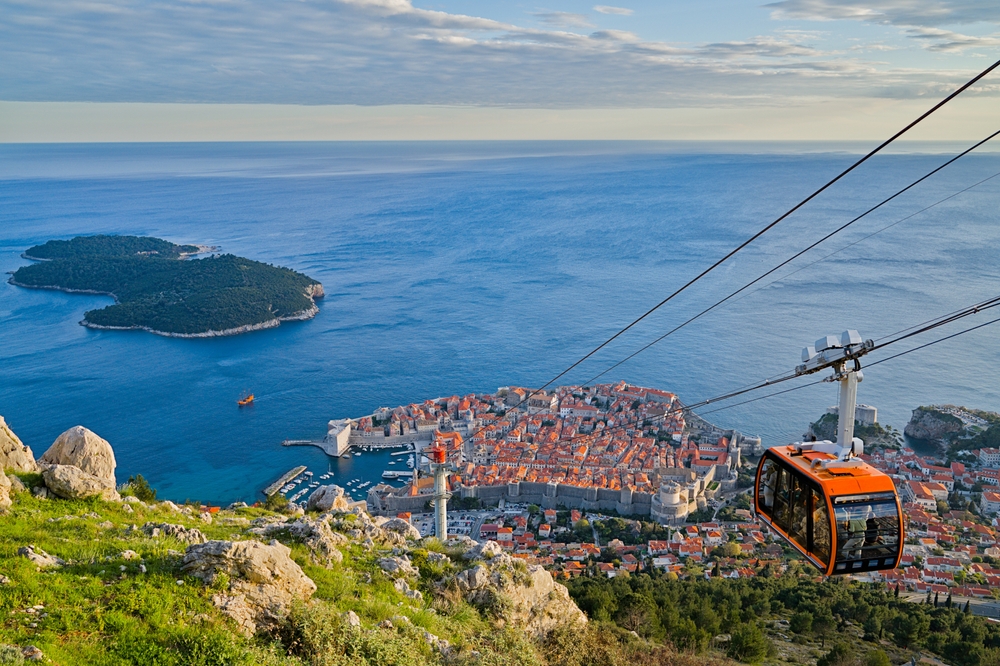
On the mainland, Dubrovnik and its neighboring island Lokrum naturally complement a Pelješac stay. Further north, Krka National Park remains one of the country's major natural attractions.
Frequently asked questions
Frequently asked questions
Two days suffice to discover Ston, its ramparts and a wine estate. Plan rather 3 to 4 days to add Orebić, a hike to Sv. Ilija and an excursion to Mljet or Korčula.
Yes, buses connect Dubrovnik and Split to Orebić, serving main villages. A car remains advisable for reaching isolated wine estates and less-crowded beaches.
May-June and September-October are ideal: heat remains manageable and estates welcome visitors in good conditions. Plavac Mali harvests typically occur from late August to October.
Booking is not mandatory, but arriving early morning or late afternoon in summer avoids heat on exposed sections and crowds at ticket offices.
Frequent ferries connect Orebić to Korčula town in about twenty minutes, for both vehicles and foot passengers.
Planning your stay
Pelješac integrates easily into a broader Croatia itinerary, between Dubrovnik, the Dalmatian islands and the Adriatic coast. To build a tailor-made journey combining heritage, vineyards and Adriatic seaside, consult our Croatia trips.
Interested in this visit?
We can include it in your personalised itinerary.