Museum of the 2nd Session of the AVNOJ
Museum of the 2nd Session of the AVNOJ
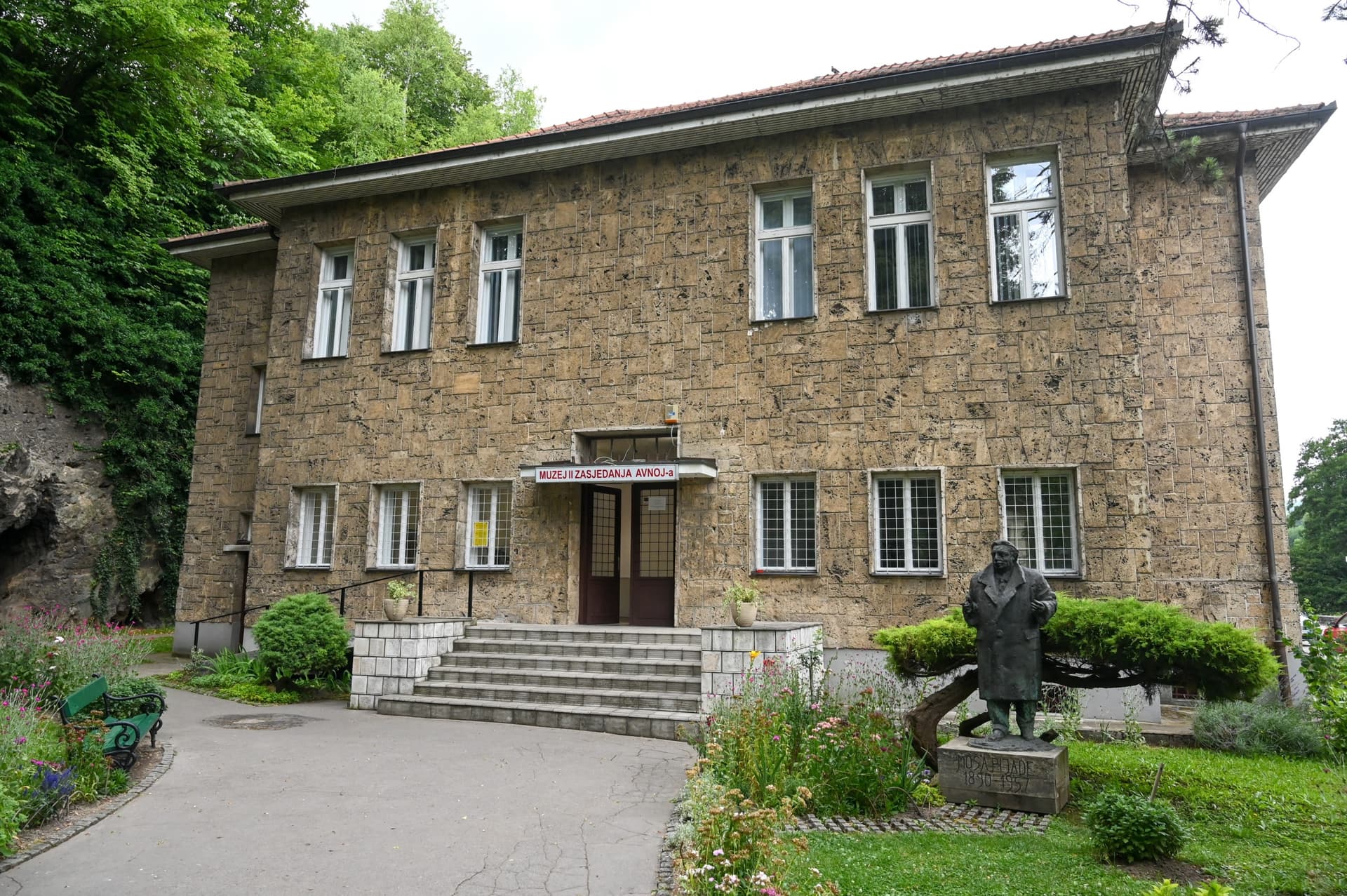
In Jajce, the Museum of the 2nd Session of the AVNOJ preserves the hall where the foundations of federal Yugoslavia, led by Tito, were laid in 1943.
The Museum of the 2nd Session of the AVNOJ is located in Jajce, Bosnia and Herzegovina, near the Croatie border. Housed in the very building where the historic meeting was held on November 29–30, 1943, it preserves the memory of the event that laid the groundwork for the future Federal People's Republic of Yugoslavia. An important stop for travelers who combine a stay in Croatie with a venture into the interior Balkans.
Why visit this museum
The site presents three main points of interest:
- Authentic sense of place: the original conference hall has been preserved and furnished with period pieces.
- Dense documentary content: manuscripts, official declarations, photographs, and sound recordings help visitors understand the political machinery of the Yugoslav partisans.
- A rare perspective on Balkan antifascist resistance, complementary to the major memorial sites of Central Europe.
A visit takes 1 to 1.5 hours and suits travelers interested in 20th-century history, World War II, or the Yugoslav communist period.
History of the 2nd Session of the AVNOJ
During World War II, Yugoslavia was occupied by Axis forces (Germany, Italy, and their allies). Facing the disintegration of the kingdom, communist partisans led by Josip Broz Tito organized armed resistance and simultaneously prepared the country's political reconstruction.
The Antifascist Council for the National Liberation of Yugoslavia (AVNOJ) was the body that directed this process. Its second session, held on November 29–30, 1943, in Jajce, marked a turning point: delegates proclaimed the creation of a multicultural federal state, rejected the monarchy, and confirmed Tito as head of the future government. These decisions would structure Yugoslavia for the next four decades.
The museum was established in the very building where the conference took place, a modest structure that has become a place of memory. Today, it serves as an educational center dedicated to the ideals of federal unity and antifascist struggle championed by the partisans.
What to see on site
The reconstructed conference hall
This is the centerpiece of the visit. Delegates gathered here in 1943, and the current arrangement recreates the atmosphere of the era: tables, flags, original documents, photographs, and audio recordings.
Objects and documents
Manuscripts, period newspapers, and official declarations adopted during the session are displayed in glass cases. Several personal objects belonging to Tito and other key figures in the movement round out the collection.
The context of war in Yugoslavia
An educational section traces internal conflicts, the partisan military campaigns, and occupation by Axis forces. Maps, timelines, and explanatory panels help situate the Jajce session within the broader dynamics of the Balkan conflict.
Posters, photographs, and films
A collection of propaganda posters, photographs, and films produced during and after the war illustrates how the AVNOJ and the new Yugoslavia were presented to the public.
Practical information
- Location: center of Jajce, Bosnia and Herzegovina, on the banks of the Pliva River.
- GPS coordinates: N44°20'16.9", E17°16'07.7".
- Duration of visit: allow 1 to 1.5 hours.
- Admission: modest charge, payable on site.
- Hours: open during the day, generally from morning to late afternoon. Check updated hours before your visit, particularly in off-season.
- Guides: local guides offer detailed explanations in several languages.
How to get there
The museum is located in the center of Jajce, within walking distance of the city's historic core. Free parking is available by the Pliva River, a few minutes' walk from the entrance. The access street is named "Comrades of the 2nd AVNOJ."
From Croatie, Jajce is accessible by car from Split (approximately 4 hours) or Zagreb (approximately 4.5 hours). Jajce's bus station also serves several Bosnian and Croatie cities.
Nearby and in the region
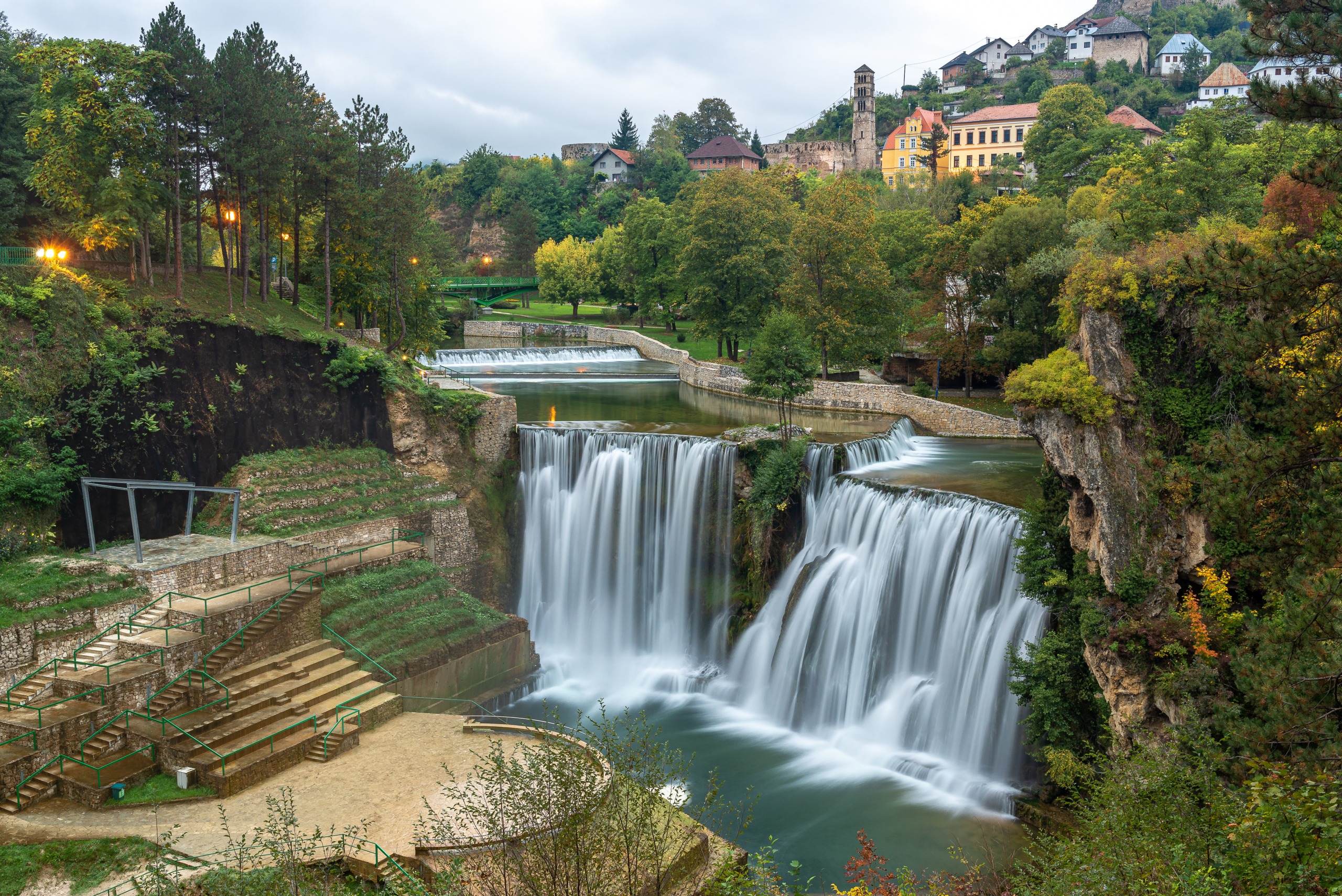
Jajce itself deserves a half day's additional exploration: the urban waterfall of the Pliva, the Pliva lakes, and the medieval fortress overlook the city. Travelers who extend their itinerary into the Balkans can visit the pyramids of Bosnia in Visoko, located in the same area.
On the Croatie side, several major historical sites fit naturally into a complementary circuit: the palace of Diocletian in Split, the walls of Ston, or the Grič tunnel in Zagreb, another 20th-century memorial site.
Frequently asked questions
Frequently asked questions
The Museum of the 2nd Session of the AVNOJ is located in Jajce, Bosnia and Herzegovina. However, it is frequently incorporated into itineraries from Croatie due to its proximity to the border and its historical significance for the region.
Allow 1 to 1.5 hours to go through all the rooms, read the explanatory panels, and listen to the recordings. Guided tours may extend the duration.
Yes. Jajce's bus station is connected to several cities in Bosnia and Herzegovina and Croatie. The museum is within walking distance of the city center.
Panels are primarily in Bosnian and English. Local guides can provide tours in several languages upon request or advance reservation.
The museum is open year-round. Spring and autumn offer pleasant conditions for combining the visit with Jajce's waterfalls and lakes. In winter, check opening hours, which may be reduced.
Including this site in your trip
The Museum of the 2nd Session of the AVNOJ fits naturally into a circuit combining Croatie and Bosnia and Herzegovina, in addition to Adriatic coastal stops and historical sites. Feel free to contact our English-speaking team to build a custom itinerary incorporating Jajce and the region's memorial sites.
Interested in this visit?
We can include it in your personalised itinerary.