Dolac Market
Dolac Market
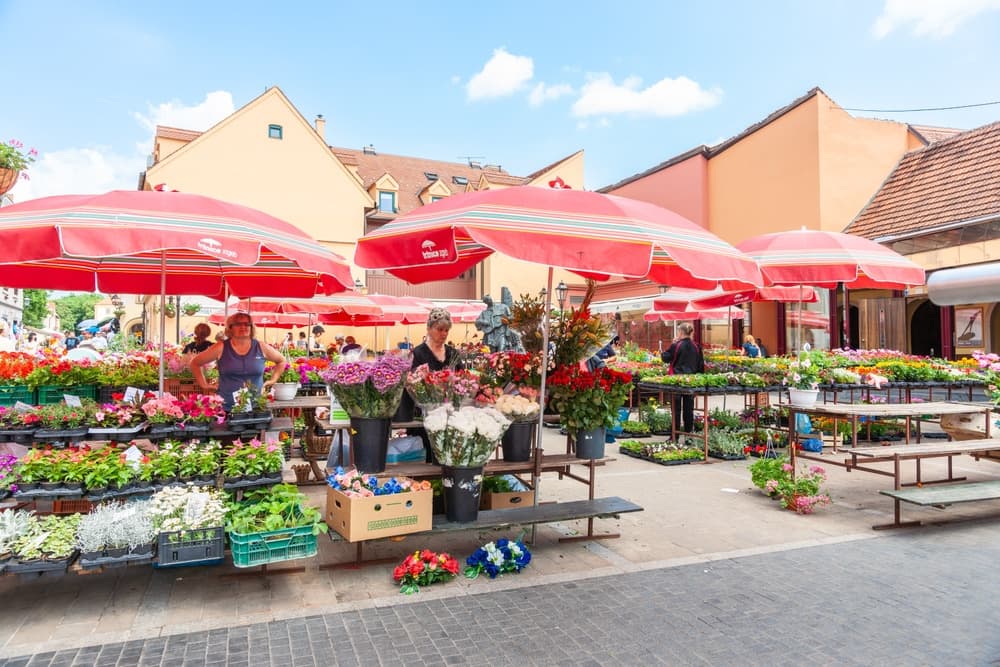
Nicknamed 'the belly of Zagreb', Dolac Market has brought together producers and flavors from across Croatie beneath its red umbrellas since 1930.
Dolac Market is one of the liveliest places in central Zagreb. Recognizable by its red umbrellas, it gathers each morning producers from nearby villages selling fruit, vegetables, cheese, cured meats and fish. Nicknamed 'the belly of Zagreb', it occupies a raised terrace just above Ban Jelačić Square.
Why visit Dolac Market
Beyond its commercial appeal, Dolac embodies rural Croatie. Here you encounter the Kumica, those village saleswomen in traditional aprons, and find the country's signature products: fresh white cheese from Zagorje, mandarins from the Neretva valley, Istrian olive oil, cherries from Zadar, Slavonian beef. A visit allows you to grasp, in an hour or two, the diversity of Croatian terroirs gathered on just a few stalls.
Market history
Before Dolac, Zagreb's main market was held at Harmica, on the present-day Ban Jelačić Square. With the city's expansion in the early 20th century, authorities sought a larger site: in 1911, the Dolac district was selected.
The project took on new significance after 1918, when Croatie joined the Kingdom of Serbs, Croats and Slovenes and Zagreb affirmed itself as a financial and cultural center. Before final design, authorities studied market models from Munich, Frankfurt, Leipzig, Berlin, Prague and Vienna. The inauguration took place in 1930. Since then, Dolac has continuously functioned as a daily meeting point between producers and residents.
Zagreb today has around twenty markets, but Dolac remains the one concentrating the greatest diversity of local products, earning it the nickname 'belly of Zagreb'.
What to see and taste here
The open-air market and the Kumica
The esplanade with red umbrellas welcomes stalls of fruit, vegetables, flowers and honey. The Kumica, peasant women from surrounding villages, perpetuate here a centuries-old tradition of direct supply. At the top of the staircase connecting Ban Jelačić Square to the market, a bronze statue erected in 2006, Kumica Barica, represents one of these vendors carrying her basket on her head.
The covered hall
At the lower level, the covered hall houses bakers, butchers and cheese makers. Pekara Dinara from Sesvete is renowned for its breads, and Pečun-Pečun offers sausages from Dugo Selo. In the dairy section, ask for Sir i vrhnje, fresh white cheese to mix with salt, paprika, onions and eat on corn bread: it's one of Zagreb's classics.
The fish market
Adjacent to the hall, the fish market (Ribarnica) offers fish and seafood from the Adriatic. It's generally closed on Mondays and may close on days of strong wind, when fishing boats cannot return.
Break and čobanac
At both ends of the market, bars allow a pause alongside merchants, who often consume a bowl of čobanac, spiced shepherd's goulash. The Amfora restaurant nearby serves grilled sardines while watching the market's bustle.
When to visit
The market operates year-round, but the colors and variety of stalls change with the seasons:
- Spring: asparagus, strawberries, first cherries from Zadar.
- Summer: tomatoes, watermelons, figs, abundant fruit.
- Autumn: mushrooms, squash, chestnuts, grapes.
- Winter: citrus from the Neretva, sauerkraut, smoked cured meats.
For fish, avoid Mondays and stormy days. Late morning on weekdays offers the most authentic experience, away from Saturday crowds.
Practical information
The market opens early in the morning and closes during the afternoon; most open-air stalls pack up by mid-afternoon, while the covered hall and fishmonger remain accessible a bit longer. It's best to visit in the morning to enjoy the freshest products.
Admission is free. Bring small denomination cash, as some producers accept only cash. Allow 1 to 2 hours for a complete visit including the hall and fish market.
How to get there
The market is right in the center, two minutes' walk from Ban Jelačić Square, from which a small staircase leads directly to the esplanade. The area is very well served by Zagreb's tram network, which converges at Ban Jelačić. By car, parking is limited in the historic center: favor public car parks on the edge of the upper town and finish on foot.
Nearby attractions
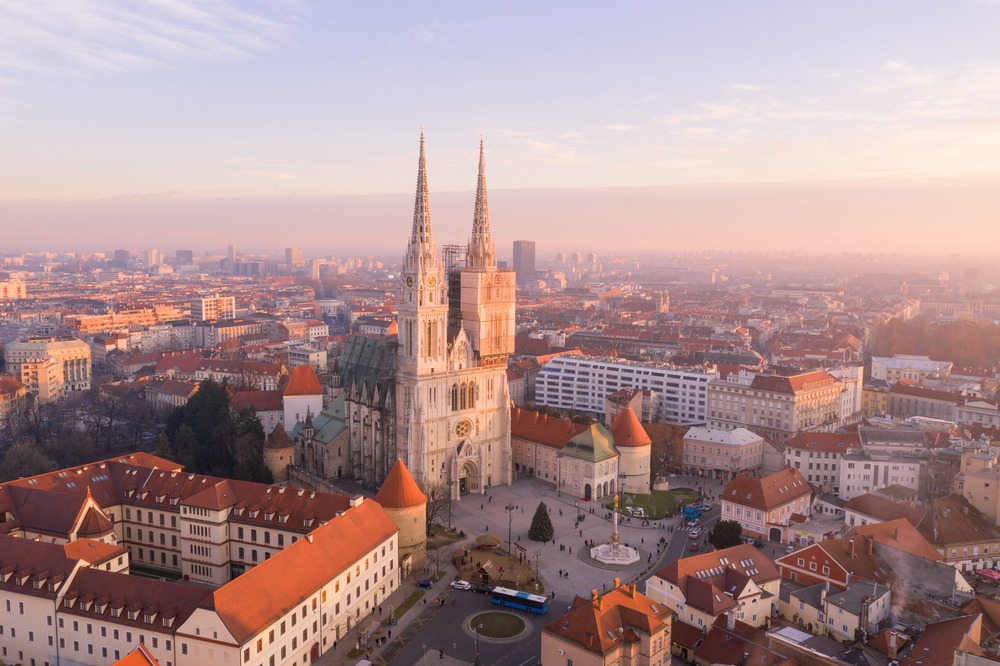
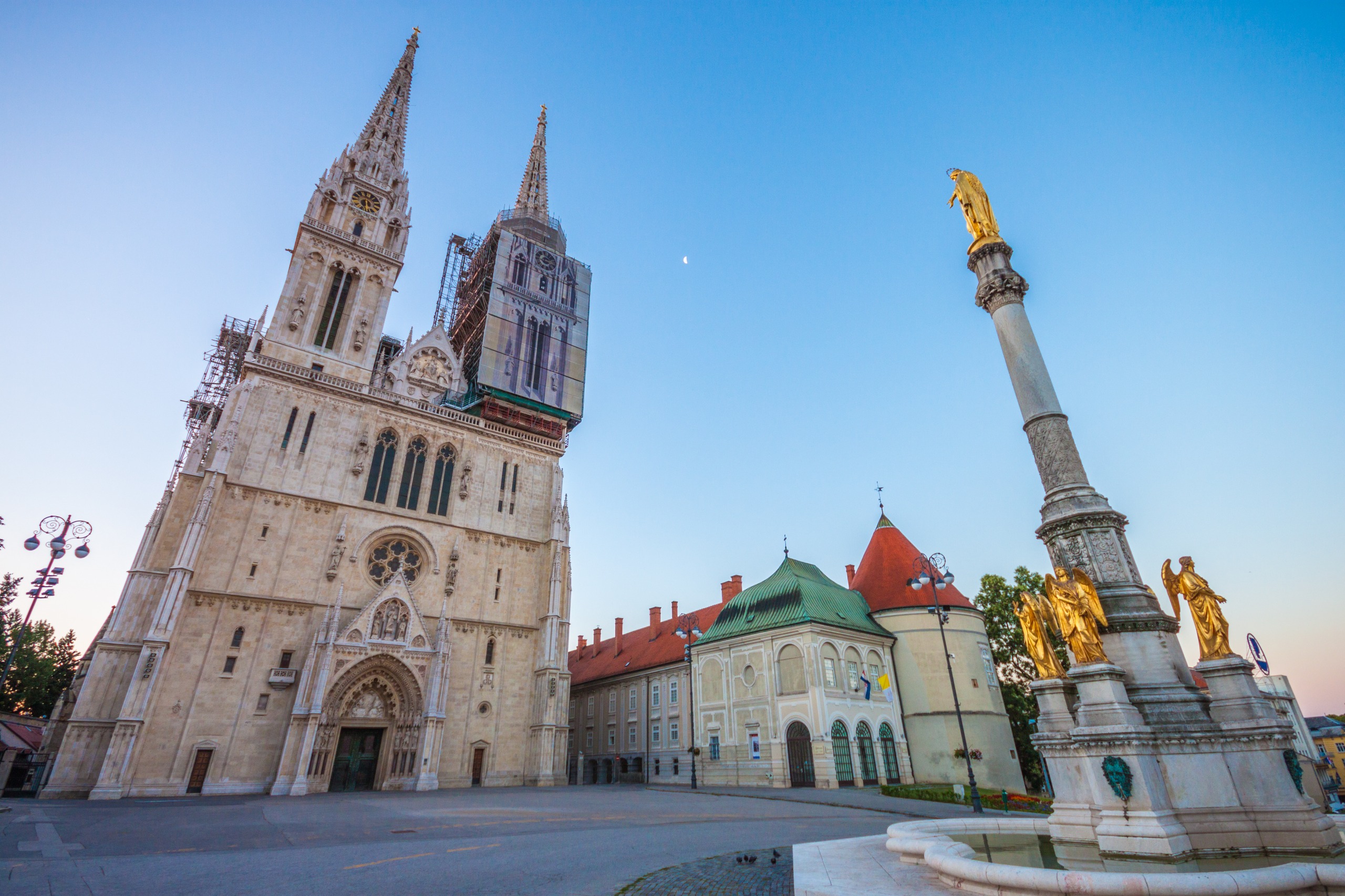
- Zagreb Cathedral, just steps from the market.
- The upper town (Gornji Grad) and its cobblestone streets.
- The Grič tunnel, underground passage converted under the old town.
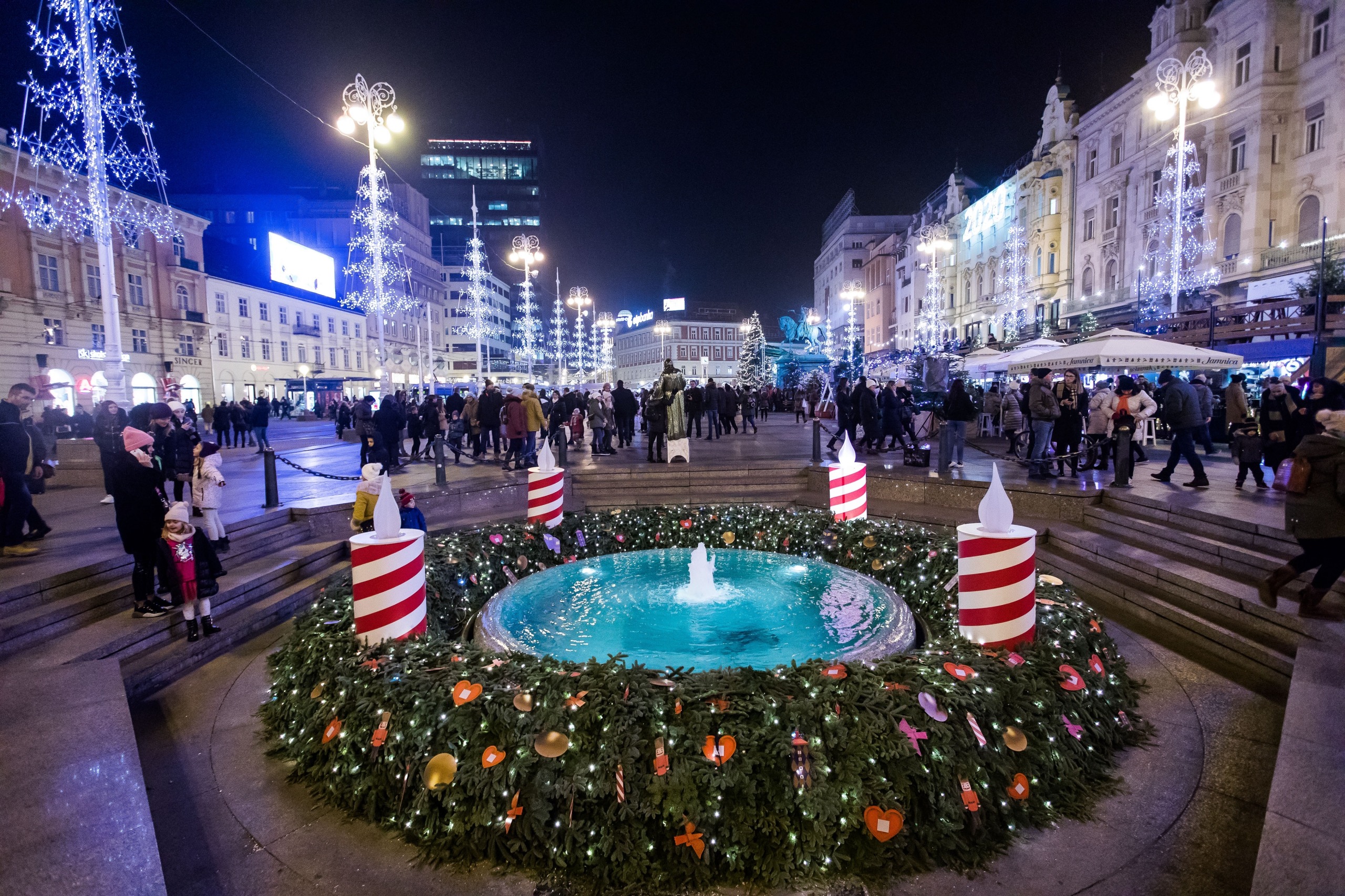
- Ban Jelačić Square and its cafés, the starting point for most city walks.
To extend your journey beyond the capital, you can then head to the Adriatic coast and the Palace of Diocletian in Split, or to the island of Brač for Zlatni Rat beach.
Frequently asked questions
Frequently asked questions
In the morning, when stalls are full and products are freshest. Open-air stalls begin packing up by mid-afternoon.
Yes, but the fish market is generally closed on Mondays, as well as on days of strong wind that prevent fishing.
An increasing number of stalls accept it, but some producers work in cash only. Bring a few euros in small denominations.
One to two hours are enough to explore the esplanade, covered hall and fishmonger, while taking time to taste a few products.
Istrian olive oil, honey, Zagorje cheese, Slavonian cured meats or dried herbs travel well and capture the diversity of Croatian terroirs.
Plan your trip
Dolac Market naturally fits into a stay in Zagreb, at the start or end of a tour through Croatie. To build an itinerary combining the capital, the Dalmatian coast and islands, consult our Croatie trips.
Nearby
Interested in this visit?
We can include it in your personalised itinerary.