Dubrovnik
Dubrovnik
UNESCO walls, white marble streets and crystalline islands: everything you need to know to visit Dubrovnik without the cruise ship crowds.
Dubrovnik, also known as Ragusa, is a fortified city in southwestern Croatie, on the Adriatic coast. Listed as a UNESCO World Heritage site, it enchants visitors with its medieval ramparts, paved alleys and gothic, Renaissance and Baroque architecture. A renowned travel destination, Dubrovnik offers an idyllic setting between crystal-clear waters and mountains, where ancient history blends seamlessly with Mediterranean living. Discover all its attractions in this guide.
A Bit of History
Founded in the 7th century under the name Ragusa by refugees from Epidaurus, Dubrovnik quickly established itself as a major maritime power in the Mediterranean. Its exceptional prosperity was built on diplomatic skill and flourishing trade with the East.
The 15th century marked the golden age of the Republic of Ragusa, rivaling Venice itself. The city survived the devastating earthquake of 1667, which destroyed much of its monuments, before experiencing a new wave of Baroque architecture.
More recently, during the Croatian War of Independence, Dubrovnik endured a seven-month siege in 1991-1992. The meticulous reconstruction that followed allowed the city to regain its former splendor, attracting millions of visitors fascinated by its rich past.
What to Do in Dubrovnik? Must-See Activities
Stroll Through the Old Town
When exploring Dubrovnik, the old town is unmissable. Stradun Street, the main artery paved with white marble, serves as the ideal starting point for wandering through the historic heart. The first rays of morning sunlight illuminate its limestone facades and create a magical atmosphere.
Lose yourself in the adjacent alleys where staircases climb toward hidden squares. The quarter around the Gundulić Market comes alive at dawn with stalls of fresh fruit and local olive oil.
The Onofrio Fountain and the Clock Tower serve as perfect landmarks for orientation. Between visits, shaded café terraces invite a refreshing pause. Morning or evening remains the ideal time to fully enjoy the charm of the place, away from tourist crowds.
Discover Fort Lovrijenac
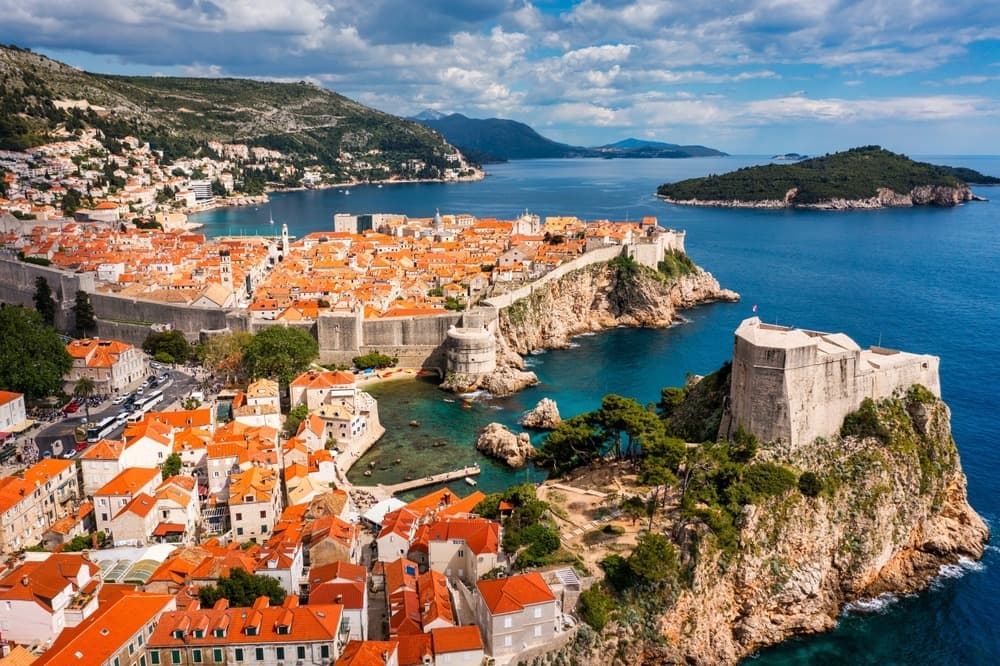
A majestic guardian of the city, Fort Lovrijenac (Fort Saint-Jean) rises 37 meters above the waters. The unique architecture of this triangular bastion reveals walls 12 meters thick on the seaward side, while those facing the city measure only 60 centimeters.
The fort hosts theatrical performances during Dubrovnik's Summer Festival, transforming its terraces into open-air stages. From its summit, an exceptional panoramic view stretches across the Adriatic and the orange rooftops of the old town.
Walk the Dubrovnik Ramparts
A stroll along the ramparts is a unique Dubrovnik experience. The complete circuit extends nearly 2 kilometers, punctuated by four major fortresses: Revelin, Saint-Jean, Minčeta and Bokar.
To fully enjoy this historic promenade, set out early in the morning or late afternoon when the heat becomes more bearable. Cafés stationed along the route allow for refreshing breaks overlooking the sea.
Conquer Mount Srd
A hike to the summit of Mount Srd promises an unforgettable sporting adventure. The trail begins near Jadranska Cesta Street and winds for 5 kilometers through a Mediterranean landscape dotted with olive trees.
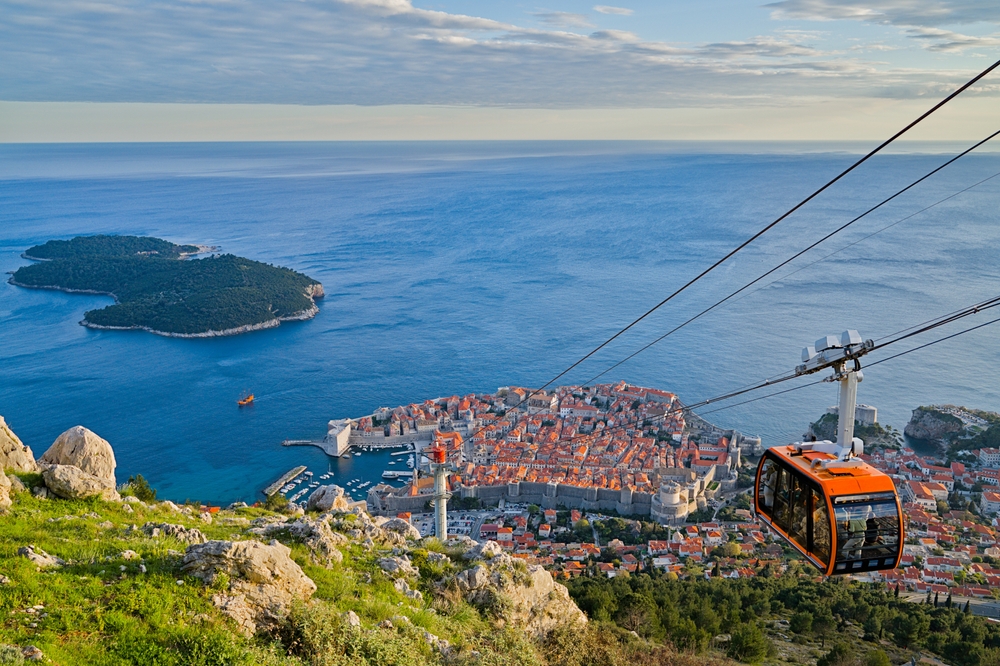
At the summit, 415 meters above sea level, a museum traces the siege of Dubrovnik during the War of Independence. The restaurant's panoramic terrace allows you to savor traditional cuisine while admiring views of the Elaphite archipelago and the coast of Bosnia-Herzegovina.
For those not wishing to expend their energy, know that Mount Srd is also accessible by cable car.
See the Rector's Palace
An iconic monument of Dubrovnik's old town, this Gothic-Renaissance palace fascinates with its majestic interior courtyard bordered by arcades. The former residence of the chief executive of the Republic of Ragusa, the building also served as an arsenal and prison.
The palace displays a remarkable collection of portraits, coats of arms and period coins. Visitors discover notably the rector's private apartment, faithfully reconstructed with its original furnishings.
Visit the Museums
Dubrovnik is filled with remarkable museums. The Red History Museum is among the most well-known, presenting an interactive exhibition on the Yugoslav period. The Maritime Museum traces naval history within the magnificent Fort Lovrijenac.
The Sponza Palace houses the city's archives in an exceptional Renaissance architectural setting. The Franciscan Monastery also deserves a visit for its medieval pharmacy, considered one of Europe's oldest.
Join a Guided Tour of Game of Thrones Filming Locations
Game of Thrones fans will discover with delight the natural settings used for filming. Local guides, some of whom are former extras, share exclusive behind-the-scenes anecdotes about iconic scenes.
Most tours last 2 hours and include a tablet with comparative photos of filmed scenes. For total immersion, opt for the themed cruise aboard an authentic vessel used during filming. This maritime journey offers a unique perspective on the ramparts that brought King's Landing to life.
Enjoy the Beaches
Dubrovnik extends beyond cultural and historical heritage. It's also a popular destination for seaside atmosphere.
Sveti Jakov Beach is a haven of peace located a 30-minute walk from the historic center. Its unspoiled setting and crystal-clear waters make it a favored spot for swimming away from crowds.
Families appreciate Copacabana Beach (Lapad peninsula), with its numerous water sports and family-friendly facilities. A sun lounger and umbrella rental service makes the day more comfortable.
For an authentic experience, head to Lokrum Island, accessible by boat in 15 minutes. The wild coves lined with pines on this nature reserve reveal an idyllic setting for swimming and snorkeling. The transparent water allows you to observe rich marine life.
Spend a Day at the Elaphite Islands
Cruises to the Elaphite archipelago offer a refreshing escape from Dubrovnik. Departing from Gruž port, boats sail to Koločep, Lopud and Šipan, three inhabited islands with distinct charms.
On Šipan, the archipelago's largest island, hikers enjoy trails lined with centuries-old olive trees. Water sports enthusiasts, meanwhile, will find their happiness between kayaking and snorkeling in crystalline waters.
Taste Local Specialties
Dubrovnik's cuisine skillfully marries treasures from sea and land. Rizot od sipe, a black risotto with squid ink, delights the palate with its creamy texture and unique briny flavor. Seafood lovers savor oysters from the Bay of Ston, renowned among the Adriatic's finest.
Family tables offer zelena menestra, a delicious stew of cabbage and smoked meats, a legacy of ancient culinary traditions. To finish on a sweet note, rožata, a cousin of crème brûlée infused with orange zest, pairs perfectly with a glass of malvasia, a local white wine with delicate aromas.
A visit to the Gundulićeva Poljana Market allows you to discover fresh local produce: aged cheeses, olive oil, dried figs and candied oranges.
Dubrovnik Pass, an Economic Solution for Exploring the City
If you wish to save money during your city visit, the Dubrovnik Pass is worth considering. This card offers free access to 12 major sites, including the ramparts and the Rector's Palace.
Available in 1, 3 or 7-day versions, it also includes unlimited public transport. Furthermore, the 3-day version incorporates discounts up to 50% on various activities such as excursions to Lokrum Island or Summer Festival shows.
FAQ
What is the Best Time to Visit Dubrovnik?
The best time to vacation in Dubrovnik falls between May and September, when temperatures are pleasant and rainfall is minimal. July and August are the busiest, but May, June and September offer a good balance between favorable weather and moderate crowds.
Dubrovnik Airport is connected to several European cities, including Paris.
You can also reach this destination by bus from other Croatian cities, or by ferry from cities such as Split.
Dubrovnik's city center is pedestrian-friendly, perfect for exploring on foot. To explore the surroundings, you can opt for buses, with well-served routes. Renting a car is also an option. Note, however, that parking is limited in the historic center.
What to Do in Dubrovnik in 3 Days?
Dubrovnik can be visited in just 3 days. This timeframe allows you to discover its main attractions like Lovrijenac Fortress, the ramparts and the Elaphite Islands.
Dubrovnik or Split?
Dubrovnik and Split are both magnificent destinations, but each has its own charm.
Dubrovnik, with its medieval ramparts and UNESCO-listed old town, is ideal for history and architecture enthusiasts. However, it is smaller and can be very crowded.
Split, larger, reveals a vibrant mix of urban life and historic sites, such as Diocletian's Palace. It is better positioned for exploring the Dalmatian islands and the Croatian coast.
For a more peaceful stay focused on history, choose Dubrovnik; for a lively and diverse atmosphere, Split is a good choice.
Attractions in Dubrovnik
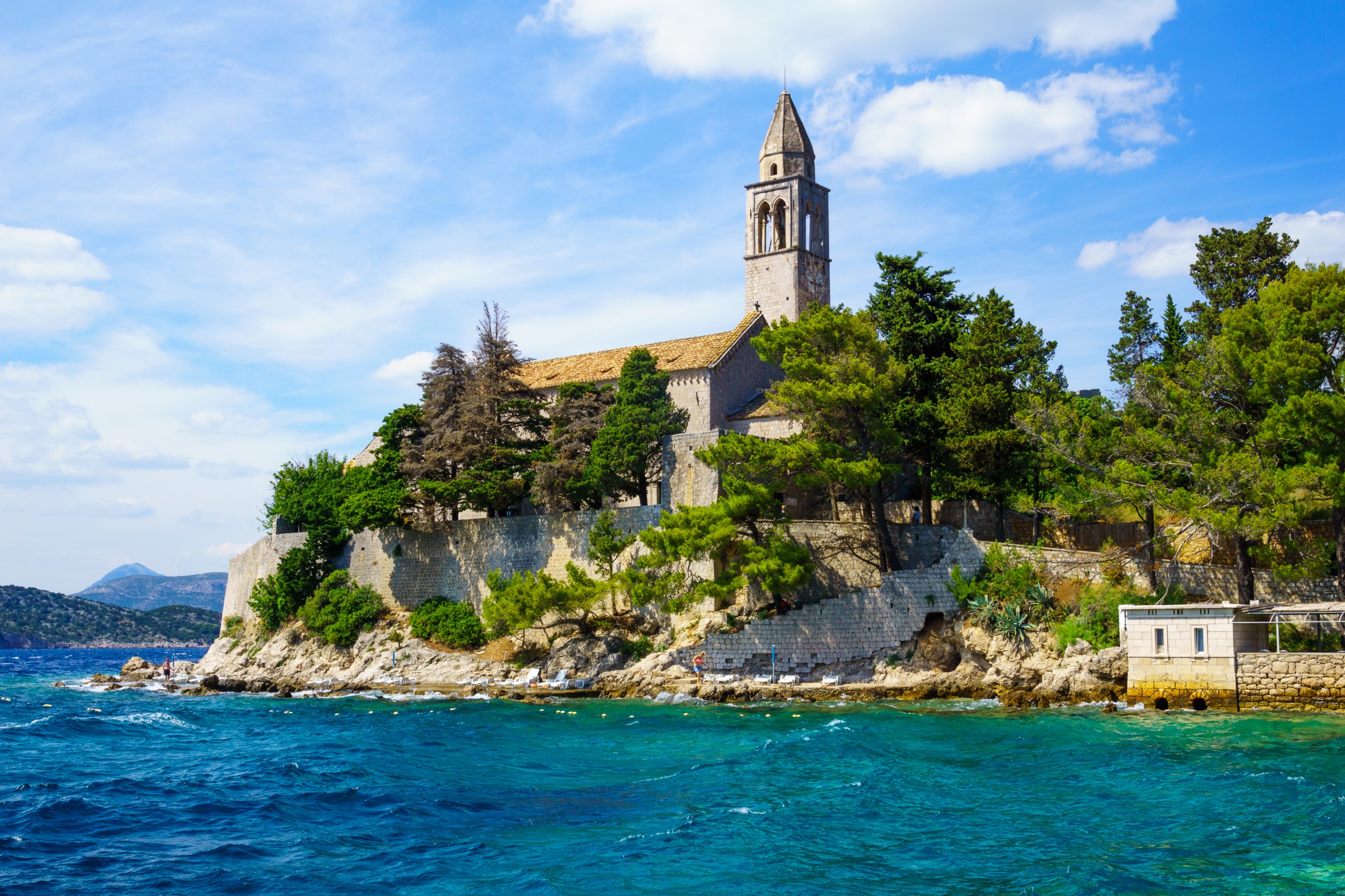
Le monastère franciscain de Dubrovnik
Fondé en 1317 au début du Stradun, le monastère franciscain de Dubrovnik réunit un cloître roman tardif, une bibliothèque ancienne et une pharmacie en activité depuis sept siècles.
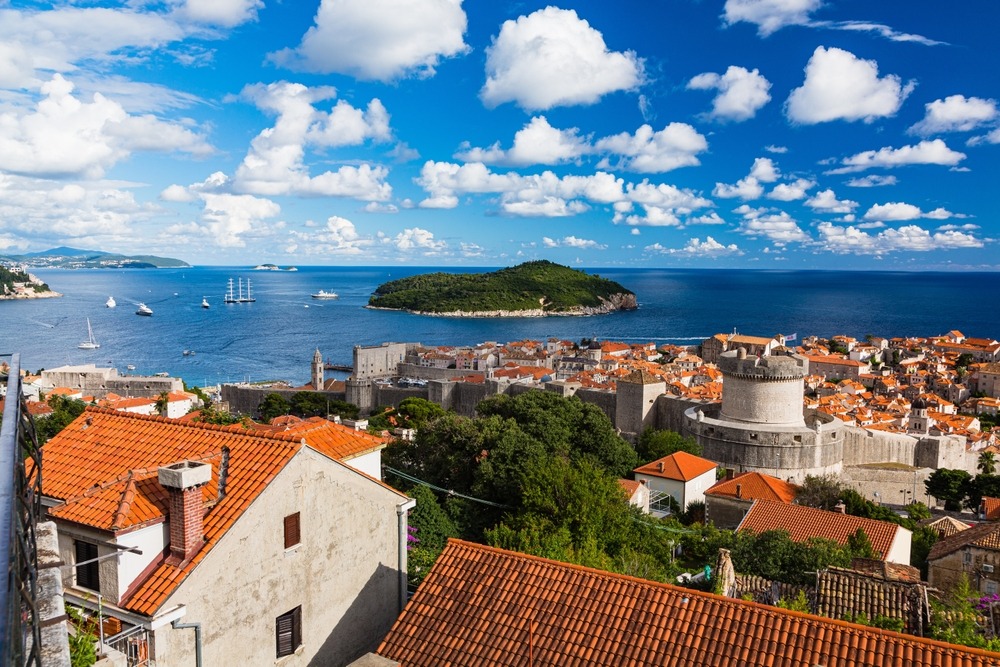
Lokrum
Réserve naturelle à 600 m de Dubrovnik, Lokrum mêle ruines bénédictines, jardin botanique du XIXᵉ siècle, paons en liberté et criques rocheuses.
Want to discover this destination?
Our local advisors design your tailor-made trip.