Oysters of Ston
In Ston, on the Pelješac peninsula, European flat oysters have been farmed in the Mali Ston channel since the 15th century. An unmissable gastronomic destination between Dubrovnik and the Pelješac vineyards.
Ston, a small fortified town on the Pelješac peninsula, is one of the Mediterranean's premier oyster-farming destinations. Its shallow waters, fed by underground freshwater springs, create ideal conditions for raising European flat oysters (Ostrea edulis). Tasting fresh oysters directly from local producers, facing the Mali Ston channel, is a gastronomic experience rooted in the region's history since the Middle Ages.
Practical information at a glance
- Access: Ston lies on the main road connecting Dubrovnik to the Pelješac peninsula; accessible by car or bus from Dubrovnik.
- Recommended duration: 1 to 2 hours for a tasting and a stroll along the channel.
- Season: Oysters are available year-round; production is active in all seasons.
- Dress code: No particular dress requirements.
What you'll see
The Mali Ston channel is lined with oyster farms visible from the shore: rows of floating ropes and nets where oysters grow for several years. Restaurants and producers serve oysters opened to order, accompanied by lemon, local bread, and often a glass of pošip or grk, white wines from Pelješac and neighboring islands.
History and context
Oyster farming in Ston dates back to the era of the Ragusa Republic (Dubrovnik), which already regulated harvesting in the 15th century to protect natural stocks. The Mali Ston channel, shallow and nutrient-rich, has always been an exceptional natural breeding ground. Today, local families continue this tradition by managing oyster concessions passed down through generations.
Highlights of your visit
Tasting at the producers
Several producers open their tables directly on the channel. Oysters are shucked before you, served on ice. Some also offer Mali Ston mussels (dagnje), farmed in the same waters and equally renowned.
The Mali Ston channel
A stroll along the channel lets you observe the farming installations from the shore. The water is remarkably clear; on calm days, you can see the sandy bottom and the submerged structures of the farms.
Ston's ramparts
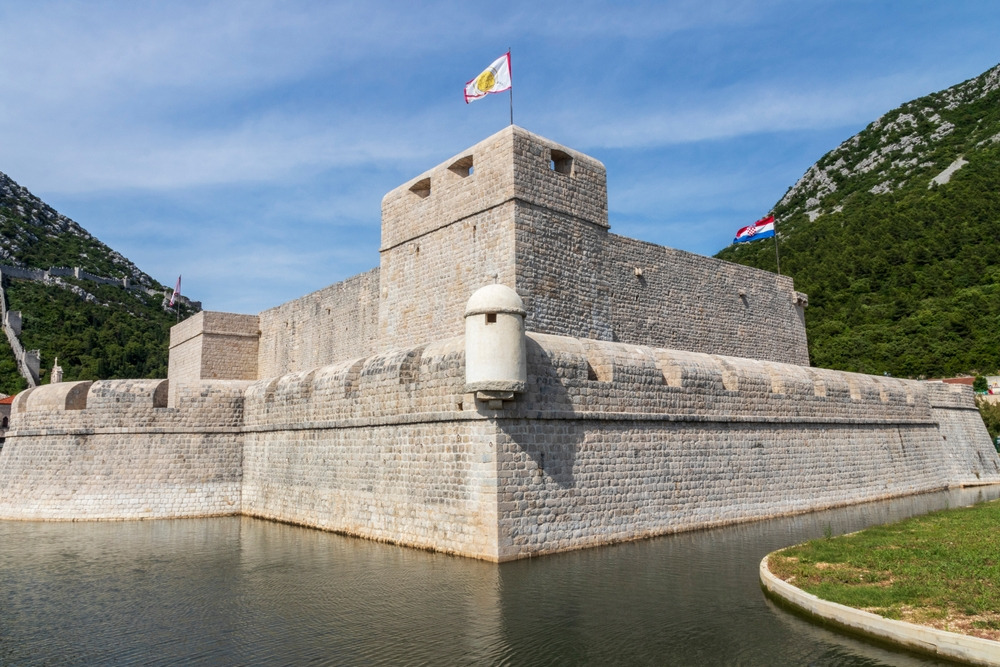
A few minutes' walk away, the ramparts of Ston — among Europe's longest — offer a panorama over the channel and oyster farms. Combining a visit to the ramparts with oyster tasting is the classic itinerary for a day in Ston.
Photography tips
Morning light is most favorable for photographing the channel: soft reflections, no backlighting. The oyster farms photograph well from the quays or from the ramparts above. Ask producers' permission before photographing their facilities closely.
Location and access
Ston sits at the entrance to the Pelješac peninsula, about 60 km northwest of Dubrovnik via the coastal road. By car is the most convenient option. Regular buses connect Dubrovnik to Ston; check schedules with local bus companies. The Mali Ston channel and oyster restaurants are a few minutes' walk from Ston's center.
Nearby attractions
- Ramparts of Ston — medieval fortification system that overlooks the channel and oyster farms directly.
- Pelješac peninsula — plavac mali vineyards, secluded beaches, and wine villages to explore en route.
- Orebić — main town of Pelješac, departure point for the ferry to Korčula island.
- Korčula Island — accessible from Orebić, a medieval town and grk wine region.
Frequently asked questions
Yes. Farming in the Mali Ston channel operates continuously, and producers serve fresh oysters in all seasons. The summer period attracts more visitors, but quality remains consistent.
These are European flat oysters (Ostrea edulis), farmed in waters that blend seawater with underground freshwater springs. This mixture gives them a pronounced briny flavor and firm texture, different from the more common creusette oysters.
That's the standard itinerary for a day in Ston. The ramparts take one to two hours to visit; oyster restaurants are a few minutes' walk away. Plan a half-day for both.
By car, allow about an hour via the coastal road. Buses regularly connect Dubrovnik to Ston; check schedules with local bus companies before departure.
Most establishments also offer Mali Ston mussels (dagnje), fresh fish, and local Pelješac wines. Some serve more elaborate seafood dishes depending on the season.
A unique culinary experience
Discover the local food scene with our advisors.