The Island of Čiovo
The Island of Čiovo
Between Split and Trogir, Čiovo Island combines pebbly beaches, wild coves and Dalmatian villages. Our complete guide to planning your stay.
Located between Split and Trogir, Čiovo Island reveals a tranquil side of central Dalmatia. Connected to the mainland by two bridges, it alternates between peaceful coves, fishing villages and family-friendly beaches. Visitors come for its proximity to Trogir, the gentleness of its Mediterranean landscapes and the authenticity of its coastal settlements.
History
Inhabited since Roman antiquity, Čiovo preserves traces of its past in several churches and monasteries. During the Middle Ages, the island fell under Venetian dominion and became a place of spiritual retreat. Religious orders established communities here, including the Dominican monastery of Arbanija, founded in the 15th century.
Villages developed around fishing and agriculture. Žedno, at the island's heart, bears witness to this preserved rural life. During the Yugoslav period, Čiovo remained apart from mass tourism. It wasn't until the 1990s onward that the island gradually opened to visitors.
Today
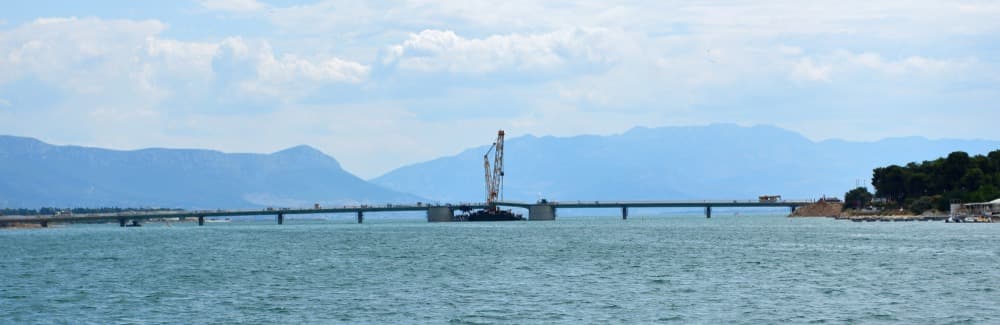
Since the opening of the second bridge in 2018, Čiovo has become more accessible than before, which has accelerated its tourism development, particularly around the village of Okrug Gornji.
The island now welcomes numerous Croatian and foreign visitors. While the western coast is heavily frequented in summer, the island's interior remains more rural and undeveloped.
What to See on Čiovo?
1. Labadusa Beach (Okrug Gornji)
This pebble beach on the island's south is a must-see. It stretches for several hundred meters in a calm setting. Maritime pines provide natural shade, while the clear, shallow water is perfect for children. A few cafés line the shoreline.
2. Kava Beach (Slatine)
A small pebble cove at the entrance to the village of Slatine, in the island's northeast, Kava is cherished for its intimate character. The water is transparent and the seabed is ideal for snorkeling.
3. Copacabana Beach
With its beach bars, sun loungers and water activities, Copacabana is the most lively beach on Čiovo. Young people gather here in summer to enjoy its musical atmosphere. With its fine pebbles and crystal-clear water, it's also a favorite among families.
4. Dominican Monastery of the Holy Cross (Arbanija)
Founded in the 15th century, this monastery houses a Gothic church and a collection of sacred art. Monks cultivated vines here for centuries. Visits are by arrangement.
5. Traditional Village of Žedno
At the island's heart, Žedno preserves ancient Dalmatian architecture with its stone houses and narrow alleys. Residents still live from agriculture and livestock. The parish church dominates the village. The atmosphere is peaceful and authentic, far from coastal bustle.
6. Wild Coves of Okrug Donji
The southern coastline of the seaside resort of Okrug Donji, in the island's western part, hides rocky coves accessible on foot or by boat. The water is crystalline and the seabed rich in marine life. These spots attract lovers of tranquility. Bring suitable footwear and snorkeling gear.
7. Duga Bay (Duga Uvala)
Duga Bay, in Čiovo's southwest, captivates with its calm and unspoiled nature. It's lined with a few villas and apartments. A coastal path allows you to reach nearby coves on foot.
8. Slatine
The first village upon arriving from Trogir, the coastal village of Slatine will charm you with its fishing town atmosphere. Its small port still harbors traditional boats. Restaurants and konobas serve freshly caught fish, and the seaside promenade invites leisurely strolls.
What to Do on Čiovo?
1. Boat Excursion to Blue Lagoon (Krknjaši)
The Blue Lagoon is a magnificent bay renowned for its spectacular water color. It lies between Drvenik Veli and the islets of Krknjaši. You can swim or snorkel there.
2. Snorkeling and Marine Life Exploration
Čiovo's rocky coastlines are home to diverse marine fauna: colorful fish, sea urchins, octopuses. Several spots are ideal for snorkeling. Isolated coves offer the best visibility conditions. Equipment is available for rent locally.
3. Boat Tour Around Čiovo and Island Visits
These maritime excursions offer another perspective on the island. Several uninhabited islets dot the southern coast. Local skippers know the most beautiful coves. Some tours include a swimming stop and lunch on board.
4. Water Sports at Okrug Gornji
Copacabana beach is ideal for various water activities: jet-skiing, paddleboarding, sea kayaking… Instructors offer parasailing lessons. Moreover, wind conditions sometimes permit windsurfing. Rentals available by the hour or half-day.
5. Camping
Rožac Camping at Okrug Gornji welcomes tents, caravans and motorhomes facing the sea. The facility has modern facilities and a restaurant. Shaded pitches ensure coolness in summer. Booking is recommended in high season to guarantee a spot.
6. Hiking and Scenic Walks
Marked trails crisscross the island's interior among olive trees and Mediterranean scrub. The routes reveal sweeping views of the Adriatic and mainland mountains. The hike from Žedno to the heights of Rudine makes for a lovely two-hour walk.
7. Mountain Biking or Quad Adventures in the Island's Interior
Rural paths on Čiovo lend themselves to mountain biking or quad excursions. You'll explore the island's central villages and agricultural landscapes.
Practical Information
When to Visit Čiovo Island?
The best months to visit are May, June and September: pleasant temperatures, warm sea and moderate crowds. In July and August, tourists flood in and prices rise. Off-season, many establishments close.
From Trogir, cross the bridge that directly links the island to the mainland. From Split, allow 30 minutes by car via the coastal road. Regular buses serve Slatine and Okrug Gornji. Water taxi is a practical option from Split.
A car remains the most convenient way to explore the island freely. Local buses connect the main villages several times daily.
FAQ About Čiovo
What is the Most Beautiful Beach on Čiovo?
With its natural setting, clear water and calm atmosphere, Labadusa is often considered the island's finest beach.
How Long Should I Spend on Čiovo?
One day is enough for the highlights, but two to three days are needed to enjoy the beaches, villages and boat excursions.
What is the Water Temperature in Summer?
Between 72°F and 79°F (22°C to 26°C) depending on the period. It remains pleasant for swimming from June to September.
Should I Book Boat Excursions in Advance?
In high season, it's advisable. Off-season, you can usually book the day before with local operators.
Can I Travel Directly from Čiovo to Split?
Yes, by water taxi from Slatine. It's a quick and enjoyable solution to avoid road traffic.
Want to discover this destination?
Our local advisors design your tailor-made trip.