Split
Split
Between the UNESCO-listed Diocletian's Palace, Dalmatian beaches and neighboring islands, Split combines ancient heritage with Mediterranean living at its finest.
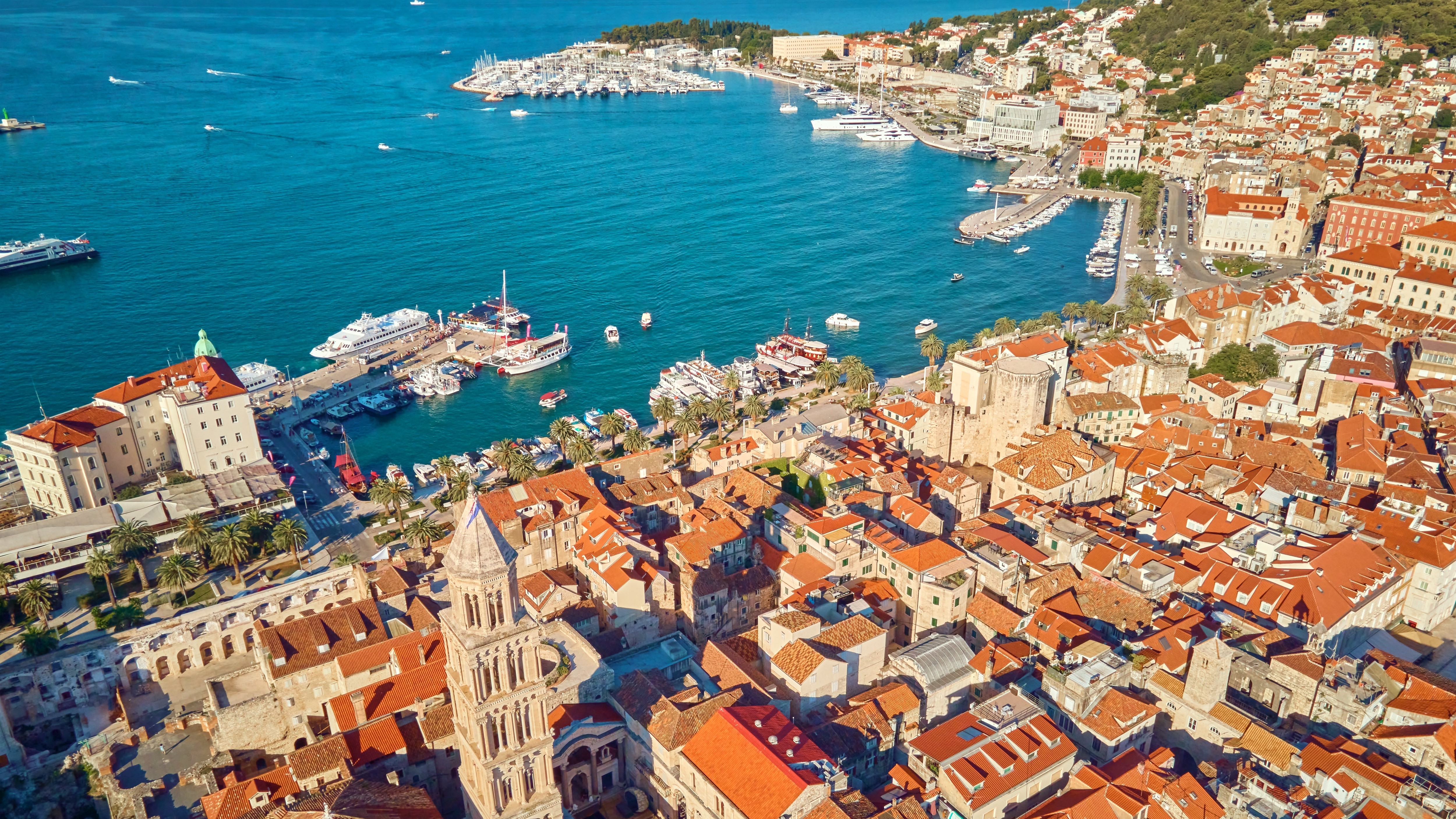
Split is Croatia's second-largest city. Nestled on the Dalmatian coast, it captivates with its unique blend of ancient history and Mediterranean modernity. This city of 178,000 inhabitants houses the spectacular Diocletian's Palace, built by a Roman emperor native to the region who ruled between 284 and 305 AD. A true cultural crossroads and ideal departure point toward the paradise islands of the Adriatic, Split seduces travelers with its dream beaches, gastronomy and festive atmosphere distinctly Croatian in character.
A Glimpse into History
Split's origins trace back to the Greek era, when a trading post was established on this strategic territory. The city experienced considerable growth during the Middle Ages, a period when it expanded beyond the walls of Diocletian's Palace.
Between the 12th and 15th centuries, before falling under Venetian domination, Split asserted itself as an autonomous city-state. The Venetian Republic strengthened its fortifications and developed its port, transforming it into a major commercial crossroads of the Adriatic.
The Croatian National Theatre in Split, inaugurated in 1893, marked the city's entry into the modern era. It was the largest theatre in Southeast Europe at the time of its construction, symbolizing Split's cultural influence and growing importance in the region.
Tourism in Split: Activities in the City and Surroundings
Exploring the City Center and Old Town
Split's city center, primarily situated within and around the Old Town and Diocletian's Palace, is its vibrant heart. It remains the most visited area by tourists. This sector is brimming with historical and cultural attractions, the most remarkable of which are:
- Diocletian's Palace: the historical heart of the city, housing narrow streets, squares and ancient buildings.
- The Peristyle: the palace's main courtyard, surrounded by magnificent columns. It is one of the city's most emblematic spots, frequently hosting cultural events and performances.
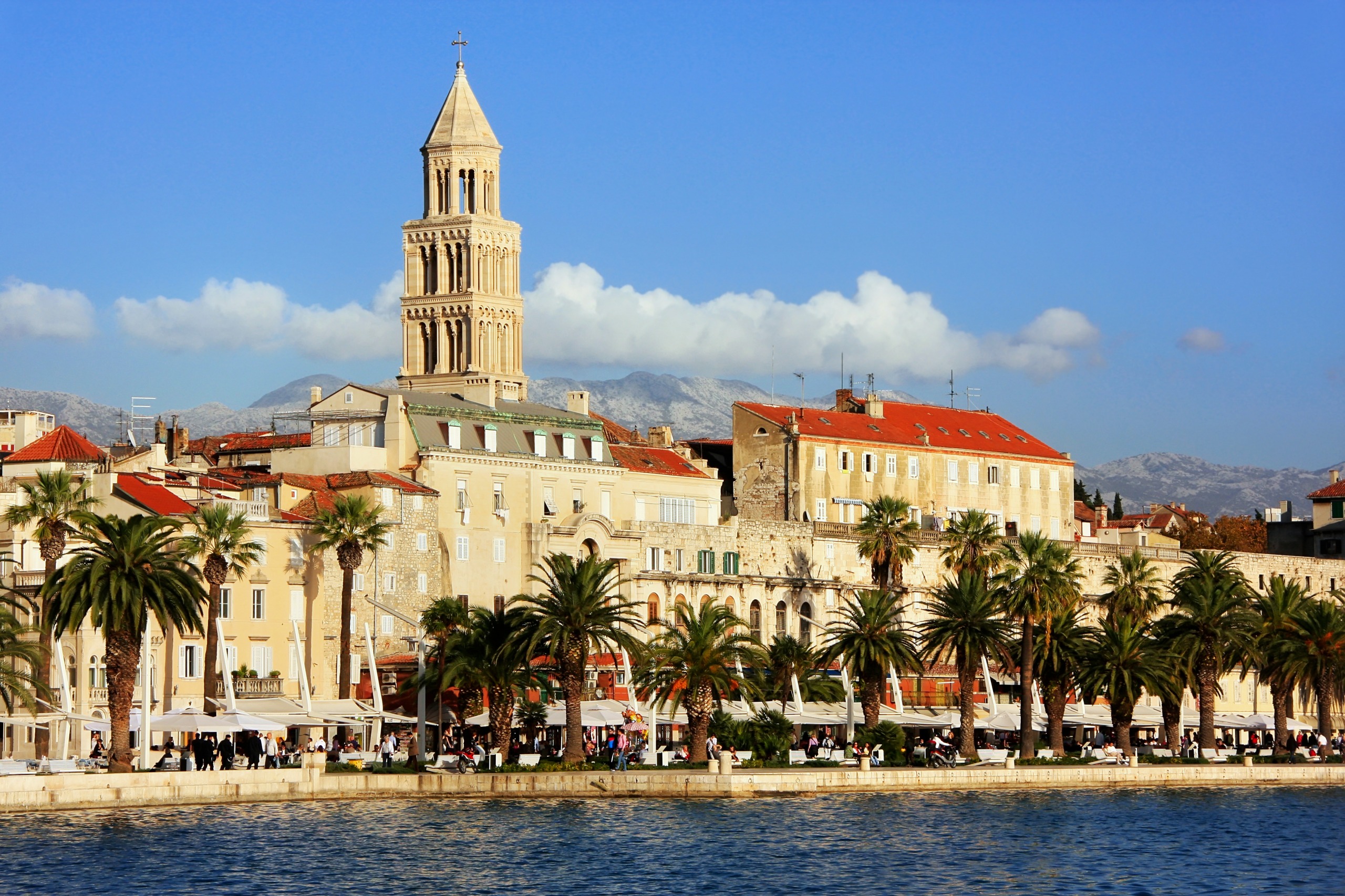
- Cathedral of Saint Domnius: once Diocletian's mausoleum, it became a cathedral in the 7th century and ranks among the world's oldest. Its bell tower unfolds a magnificent panorama over the city.
- Temple of Jupiter: a small Roman temple dedicated to the god Jupiter. It remains one of the best-preserved structures from Diocletian's era.
- People's Square (Narodni Trg): a lively medieval square surrounded by historic buildings, cafés and boutiques.
- Diocletian's Palace Cellars: situated beneath the palace's southern section. Well-preserved, they serve as a museum and offer insights into the palace's original architecture.
- The Riva: a waterfront promenade and popular gathering spot to unwind, enjoy maritime views and observe local life, with numerous cafés and restaurants.
- Split Market (Pazar): nestled just east of the palace. It offers fruits, vegetables, cheeses, meats and souvenirs. An excellent place to discover local culture.
- Split Museum and Archaeological Museum: showcasing Roman, medieval and contemporary artifacts. They offer an excellent overview of Split's rich history and the region's heritage.
- The Veli Varoš Quarter: a historic neighborhood at the foot of Marjan Hill. It's a charming labyrinth of narrow streets and stone houses offering a picturesque atmosphere.
Ascending Marjan Hill
A marked trail departing from the Veli Varoš quarter and winding through Mediterranean pine forest leads to this verdant hill. The gradual climb to the summit, Telegrin (178m), takes approximately 45 minutes. Benches dot the path, allowing contemplative pauses facing the Adriatic.
Cycling enthusiasts will appreciate the paved Marangunićevo šetalište road, while climbers will find satisfaction on equipped limestone faces. A Croatian coffee at Vidilica restaurant perfectly concludes this nature escape.
Relaxing on Beaches and Enjoying Water Activities
Split will certainly delight beach destination lovers. The crystal-clear waters of the Adriatic invite swimming at the emblematic Bačvice Beach, just minutes from the historic center. This shallow bay pleases both families and fans of picigin, a unique local sport blending volleyball with water games.
Znjan Beach offers a wide range of activities. Paddleboarding, sea kayaking and jet-skiing enliven summer days for tourists. The more adventurous try parasailing, which offers a breathtaking aerial view of the Dalmatian coast.
Kašjuni Beach, tucked at the foot of Marjan Hill, appeals with its more intimate atmosphere. Its turquoise waters and wild coves make it a favorite spot for divers seeking pristine underwater landscapes.
Admiring the Waterfalls of Krka National Park
Krka National Park, an hour's drive from Split, unveils a magnificent natural spectacle. The Skradinski Buk Waterfall, the site's centerpiece, cascades its crystalline waters 45 meters high through a succession of limestone terraces.
A network of wooden walkways winds around the falls, allowing admiration of this fairytale setting from different angles. Lush vegetation and light playing on water create a magical atmosphere, especially at sunrise.
Exploring Nearby Islands
Split's port serves as the gateway to unique maritime gems. A quick ferry ride takes you to Hvar, renowned for its lavender fields and Venetian architecture. This Adriatic jewel captivates with its cobbled streets and millennium-old vineyards.
Brač Island, accessible in 45 minutes, reveals the Zlatni Rat Beach, a tongue of golden pebbles that shifts shape with the currents. Authenticity seekers appreciate Vis, less frequented, where fishing villages perpetuate ancestral traditions.
The small island of Šolta fascinates connoisseurs with its centuries-old olive groves and artisanal honey. A private boat excursion allows you to anchor in secret coves, far from typical tourist circuits.
Partying in Clubs and Nightclubs
When night falls, Split reveals its most festive side. Bacvice Club, established by the sea, welcomes a cosmopolitan crowd in an electrifying atmosphere. International DJs mix until dawn on its vast terrace overlooking the Adriatic.
In the city's heart, Central The Club vibrates to house music and RnB. This trendy nightclub attracts a local and tourist clientele of 20-30 year-olds in a contemporary setting with subdued lighting.
Music fans will appreciate F-Caffe, an intimate bar-club where local bands perform nightly. For an authentic experience, Judino Drvo Club, installed in converted railway depots, regularly programs alternative rock concerts.
Joining a Guided Tour of Game of Thrones Filming Locations
Game of Thrones fans will discover with wonder the mythical sets used in seasons 2 through 5 filming. The majestic Diocletian's Palace transforms before your eyes into Daenerys Targaryen's dragon lair.
Guided tours immerse you in the fascinating universe of Meereen, notably through the palace's underground cellars, where the roars of legendary creatures still echo. Passionate guides share filming secrets and anecdotes.
The fortress of Klis, perched on its rocky outcrop 15 minutes from the center, reveals the iconic scenes of slave liberation. This unique excursion perfectly combines Split's actual history with the magic of Westeros.
Practicing Rafting and Canyoning
The Cetina River, 45 minutes by road from Split, promises thrills. Beginners will enjoy the 12 km rafting course with moderate rapids, while the more daring opt for extreme canyoning with jumps from cliff faces.
Spectacular canyon landscapes unfold during descent: natural waterfalls, mysterious caves and vertiginous rock walls create a unique backdrop. A refreshing swim in crystalline waters pleasantly punctuates the adventure.
Tasting Local Specialties
Dalmatian gastronomy reveals its treasures in Split's alleyways. The Pazar Market offers a savory immersion among colorful stalls of fresh seafood and artisanal cheeses.
Dvor Restaurant, tucked on the heights with Adriatic views, elevates squid ink risotto to culinary art. Konoba Villa Spiza treats guests to pašticada, this red-wine beef stew according to an ancestral recipe.
For a unique tasting experience, visit a vineyard near Trogir. A passionate vintner introduces you to three local grape varieties accompanied by Dalmatian ham and the famous Pag Island cheese. Gourmands will appreciate rožata, a delicious flan perfumed with rosehip liqueur.
Practical Information
When to Visit Split?
The best period to visit Split extends from May through September. The climate is pleasant, and activities are varied during this part of the year. Note, however, that July and August are highly sought-after months.
Split Airport welcomes direct flights from Paris, Lyon and Marseille, with fares varying between €65 and €280 depending on the airline. A shuttle connects the airport to the city center in 30 minutes for €4.
Travelers preferring the road can take the A1 motorway to the Dugopolje exit, just kilometers from the center. Long-distance buses depart regularly from major European cities.
The maritime port is served by Italian ports in Pescara and Ancona. These overnight crossings allow you to reach Split while enjoying an Adriatic cruise.
Exploring Split's historic center is ideally done on foot, as the cobbled streets are mostly pedestrian. For longer journeys, the Promet Split urban bus network efficiently serves all neighborhoods, with affordable tickets available at kiosks.
Traditional taxis and ride-sharing apps enable quick travel. Renting classic or electric bicycles offers an eco-friendly alternative much appreciated. Scooter rental services are also available throughout the city.
Water-taxis represent an original option for reaching nearby beaches and coastal villages like Trogir or Omiš.
Want to discover this destination?
Our local advisors design your tailor-made trip.