The Island of Korčula
The Island of Korčula
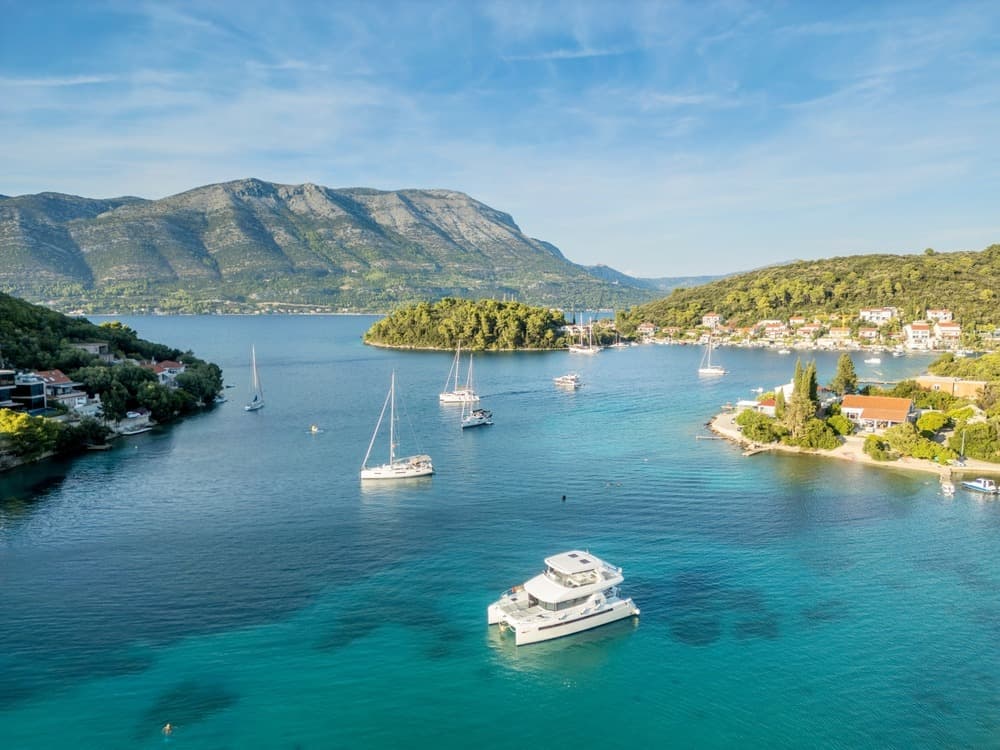
Croatia's sixth-largest island, Korčula brings together a fortified medieval city, native wines, and secluded coves facing the Pelješac peninsula.
Spanning 276 km², Korčula is the sixth-largest island in Croatia. This gem of Dalmatia captivates visitors with its fortified medieval city, traditional dances, renowned vineyards, and idyllic beaches. A highly coveted destination, it promises an unforgettable escape from the mainland.
History
The earliest traces of human settlement on this island date back to the Neolithic period, as evidenced by archaeological discoveries at the Vela Spila cave. Welcoming Greek settlers in the 6th century BCE, it fell under Roman rule in the 1st century and was incorporated into the province of Dalmatia.
During the Middle Ages, the island was part of the Croatian kingdom. It subsequently came under the control of the Republic of Venice, the Austro-Hungarian Empire, and the Republic of Dubrovnik. Before tourism arrived in the region, Korčula was notably known for viticulture, producing wines such as Plavac, Pošip, Grk, and Rukatac, as well as for olive oil production, fishing, and sheep and goat herding.
What to See and Do on the Island of Korčula?
The Old Town of Korčula
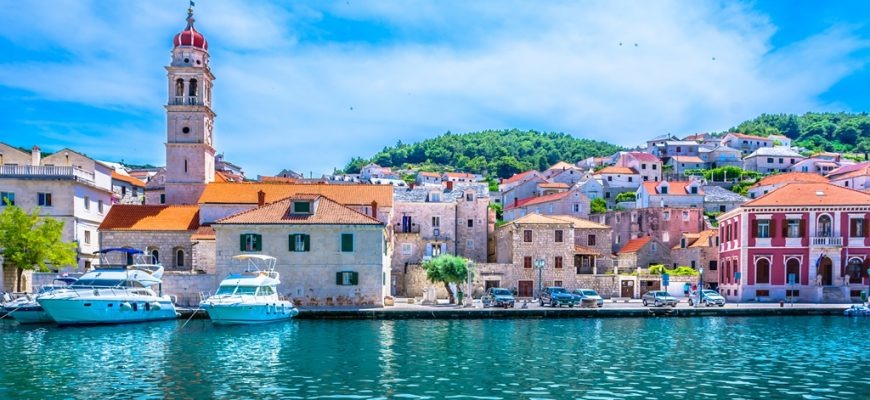
The island's capital bears the same name. A principal hub for travelers, the town is unmissable. It owes much of its renown to its historic center, one of the best-preserved medieval cities in the Mediterranean. Several discoveries await you here.
Begin your visit by exploring St. Mark's Cathedral, an architectural gem blending Gothic and Renaissance styles, with a campanile offering stunning views over the city. Next, head to the city museum, located in the Gabrielis Palace. You'll discover the island's cultural and economic history.
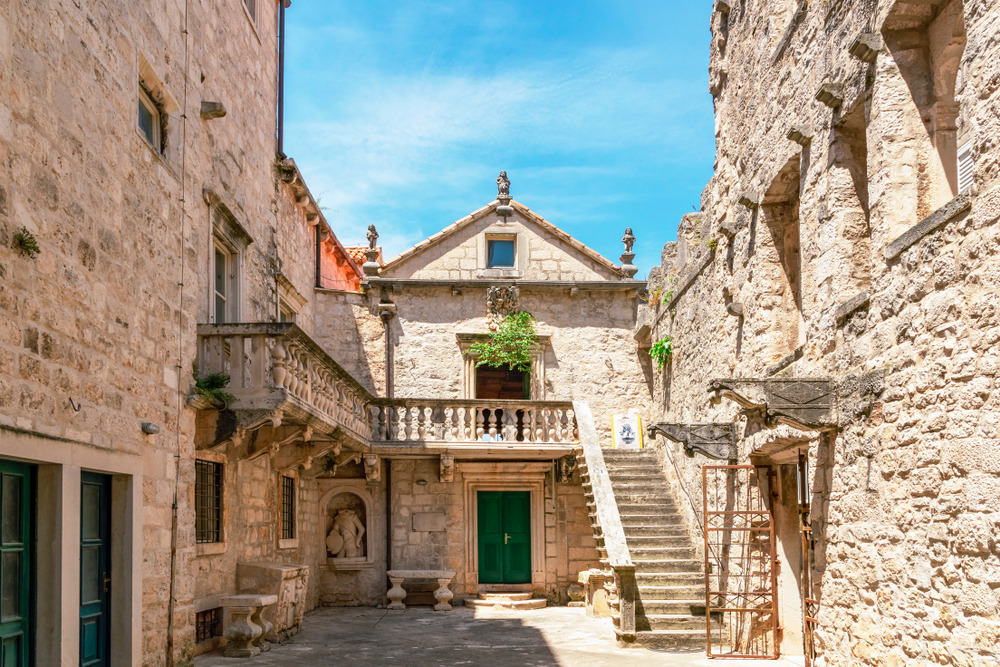
Wander through the narrow fishbone-shaped streets, designed to optimize air circulation and protect against strong winds. Finally, admire the medieval ramparts and towers that surround the city.
Marco Polo's House
Still in Korčula's old town, make a detour to Marco Polo's House. Although the direct connection of this structure to the great explorer remains debated, it's worth a visit. Inside, you'll find a small museum dedicated to the explorer's travels. Don't forget to climb to the top of the adjoining tower for a remarkable view over the city and sea.
The Moreška Dance
Want a genuine immersion in local tradition? Attend a performance of the Moreška dance. Featuring choreographed sword fights between two groups of dancers, this captivating performance once took place only on the Feast of St. Theodore, July 20th. It is now regularly presented to visitors during the summer season.
Taste Local Wines
Korčula remains a premier wine-producing region. For a unique oenological experience, explore the vineyards of Lumbarda and Smokvica, where native grape varieties such as Grk and Pošip produce wines of exceptional aromatic complexity. Meet passionate winemakers, discover their vinification secrets, and take time to savor their exceptional nectars.
Kayaking and Windsurfing
With its steady winds, Korčula offers ideal conditions for windsurfing. Beginners and enthusiasts alike can take lessons in town or on the island of Badija. Schools like Oreb Sailing and Korčula Sailing Extreme offer windsurfing sessions as well as sailing excursions, kayaking, and paddleboarding. An excellent way to discover the island's crystalline waters while having fun!
Cliff Jumping at Lumbarda
For thrill-seekers, head to Ražnjić Korčula, near the Lumbarda lighthouse. This spot is perfect for testing cliff jumping into deep blue waters. Not tempted by the jump? Scramble down the rocks for a refreshing swim. The setting is magnificent. However, to make the most of this spot, be sure to bring water shoes suitable for rocky terrain.
Vela Luka Beach Resort
Vela Luka, located opposite Korčula, is the island's largest town, with approximately 5,000 residents. Picturesque and peaceful, it strongly invites exploration. The town is accessible by bus from Korčula in approximately 45 minutes. From Vela Luka, you can take a water taxi to escape to the island of Proizd, a true haven of peace, featuring some of Croatia's most magnificent beaches.
Pupnatska Luka Beach
Nestled in the south of Korčula, Pupnatska Luka beach is a peaceful spot surrounded by Mediterranean vegetation. Ideal for families, it features soft sand and rocky areas perfect for relaxing.
Brna
Brna, located on Korčula's southern coast, is another charming locality worth adding to your itinerary. Near this village lies a recreational and sports center where you can enjoy tennis, pétanque, table tennis, and beach volleyball. Furthermore, Brna is home to restaurants serving delicious menus: fresh fish, fruits and vegetables, olive oil, fine wines…
Blato
Blato is a picturesque village located in the heart of Korčula island. Perched on hills, it is renowned for its 17th-century Baroque church, dedicated to all saints, and its lively square. The village is also known for its traditional houses and old villas, including the Baroque villa Kastel Ameri.
Practical Information
Where is Korčula Located?
The island of Korčula is located in the southern part of the Dalmatia region. It is separated from the Pelješac peninsula (attached to mainland Croatia) by the Pelješac Strait, which is 900 to 3,000 meters wide. It is approximately 90 km away from Dubrovnik to the southeast. From Split to the northwest, this distance is approximately 100 km.
By Ferry from Orebić, Split, and Lastovo
Ferries are available to reach the town of Korčula from Orebić on the Pelješac peninsula. You can also travel by ferry to Vela Luka from Split and the island of Lastovo.
By Catamaran from Split and Dubrovnik
The towns of Korčula and Vela Luka are accessible by fast passenger catamaran from Dubrovnik, Split, and the island of Lastovo. The islands of Hvar and Mljet serve both ports with the same type of vessel.
The island stretches east to west for 47 km and averages 8 km in width. A road runs along the backbone of the island and connects all villages except Račišće, which is served by a separate road hugging the northern coast. To get around the island, you can use a rental car or scooter, or take the bus. Attractions near towns can be explored by bike.
When to Visit?
The best time to visit Korčula island extends from May to September, when the climate is pleasant and conducive to beach activities. The months of July and August boast ideal temperatures for enjoying the beaches (22 to 28 °C). However, to avoid the summer crowds, consider planning your visit for May, June, or September, when tourist numbers are lower.
Korčula or Mljet?
The choice between these two destinations depends on your preferences. Mljet appeals to nature lovers with its unique salt-water lakes and preserved pine forests. Hiking reigns supreme there.
Korčula, on the other hand, offers a more urban and lively experience, particularly during the summer season. Restaurants, bars, and shops abound in its main town, creating a vibrant Mediterranean atmosphere.
Korčula or Hvar?
Hvar stands out for its upscale atmosphere and endless lavender fields. Its main town attracts an international clientele to its trendy bars and gourmet restaurants. Beaches like Dubovica and Pokonji Dol seduce with their crystal-clear waters.
Korčula, meanwhile, maintains a more authentic atmosphere with its ancestral traditions and medieval architecture.
Want to discover this destination?
Our local advisors design your tailor-made trip.