Zadar
Zadar
UNESCO old town, Sea Organ, 300-island archipelago and a legendary sunset: the complete guide to visiting Zadar in northern Dalmatia.
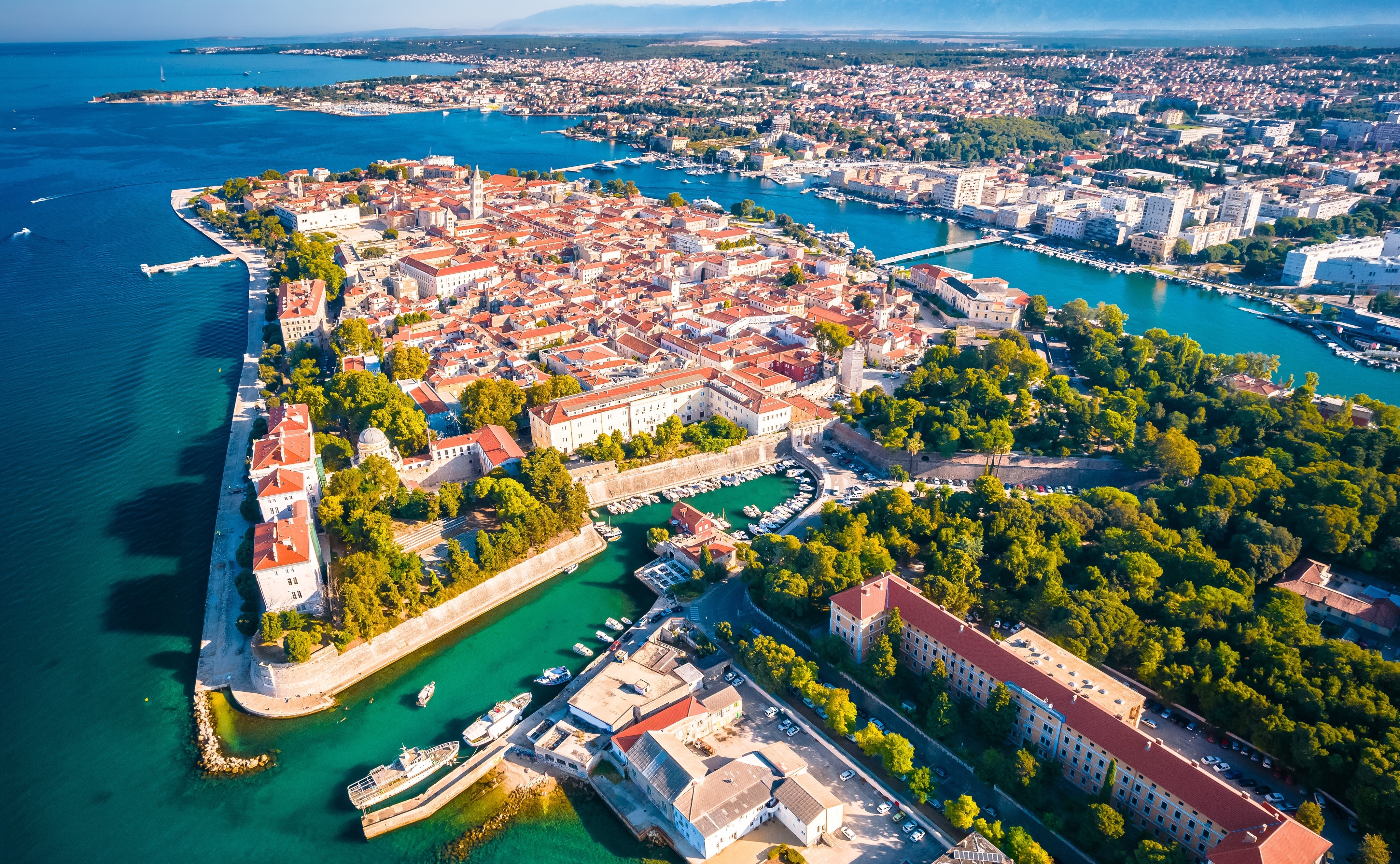
Zadar, situated on a peninsula along the northern Dalmatian coast, is the fifth largest city in Croatie. It captivates travelers with its rich heritage spanning more than 3,000 years, blending Roman ruins, medieval churches, and contemporary art installations like its famous Sea Organ. With 300 surrounding islets, pristine beaches, and spectacular sunsets, Zadar stands as an unmissable destination between Split and Zagreb.
A Glimpse into History
The Liburnians, an Illyrian people, founded Zadar in the 9th century B.C. under the name Jader. The city experienced its first golden age as a Roman colony from 59 B.C., developing characteristic urban planning with its forum and perpendicular streets.
After the fall of Ravenna in 751, and before coming under Venetian rule, Zadar became the main Byzantine stronghold on the Adriatic. The Doges profoundly shaped the city's architecture, notably through the spectacular Porta di Terraferma in the 16th century.
Zadar endured turbulent periods over the past two centuries: Austrian occupation in the 19th century, annexation to Italy until 1947, and bombardment during World War II, which destroyed 60% of its historic center. Rebuilt on its original layout, the city is now part of the UNESCO World Heritage.
Tourism in Zadar: What to See and Do in the City and Surroundings?
Explore the Old Town (City Center)
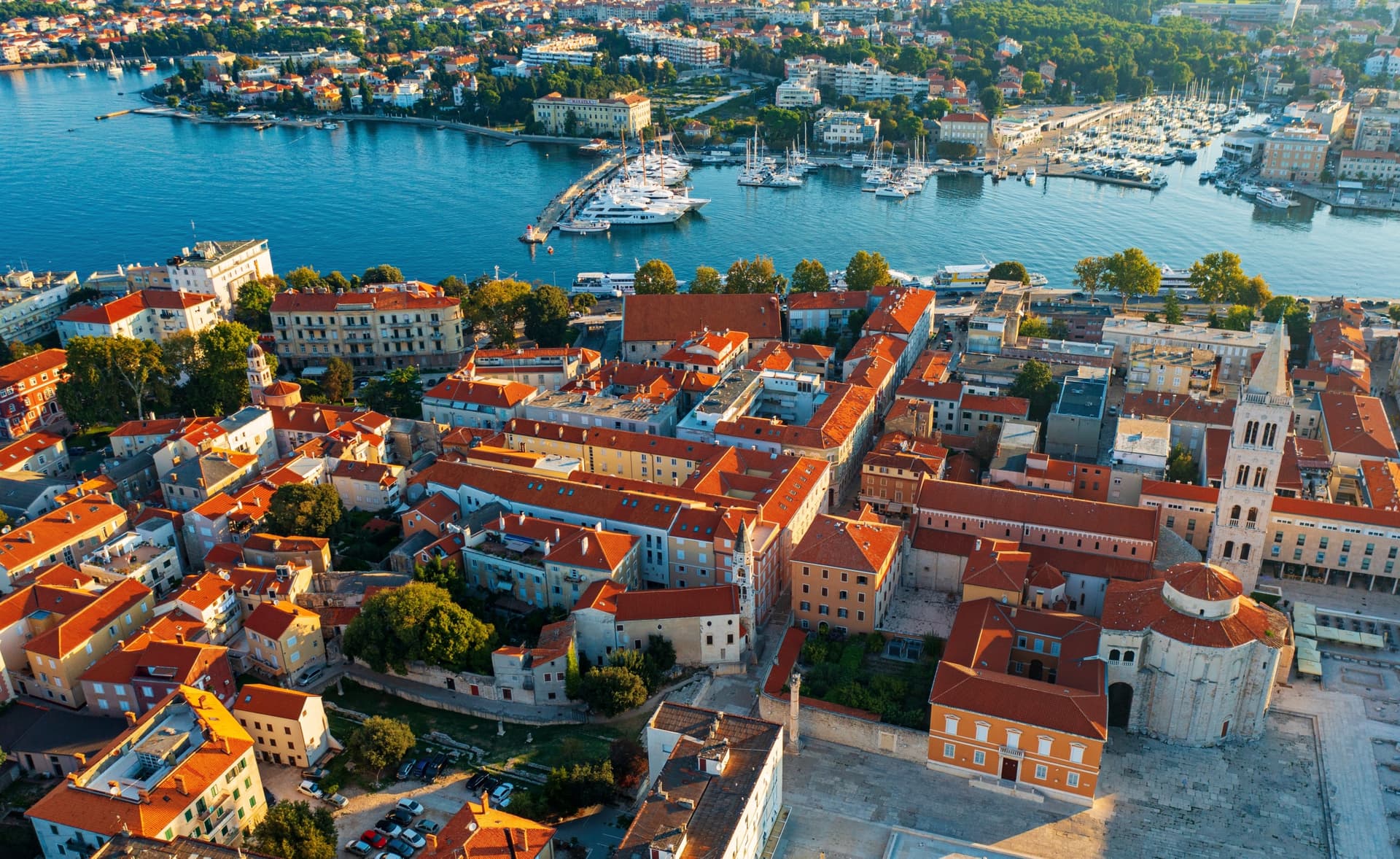
Zadar's old town is the most visited area by tourists exploring the city. Exploration begins with the Land Gate, a majestic Renaissance entrance. The cobbled streets lead naturally to the People's Square, the beating heart of the city, and the clock tower.
Around each corner, discover local craft shops and lively traditional café terraces. The Cathedral of St. Anastasia deserves an extended pause to admire its remarkable Romanesque style.
Listen to the Sea Organ
The Sea Organ, nestled on Zadar's waterfront, is an artistic work created by Croatian architect Nikola Bašić. This exceptional musical instrument resonates through the power of the waves.
The melodies created by 35 underground tubes hidden beneath its 70-meter-long white marble staircase captivate visitors. These have been tuned according to traditional Dalmatian scales.
For an optimal experience, visit to listen to this natural concert at dusk. The power of the waves modulates the intensity of the sounds, creating a particularly moving marine symphony. The mysterious harmonies vary with tides and weather, making each listening moment unique.
Sit on the sun-warmed steps and close your eyes. The sea breeze and crystalline notes will transport you to a moment of pure serenity.
See the Sun Salutation
The Sun Salutation is another artistic installation located in Zadar's old town. Its main circle, 22 meters in diameter, consists of 300 layers of glass panels symbolically representing the sun and our solar system. Photovoltaic cells capture solar energy during the day.
Magic unfolds at nightfall, when the panels illuminate. Colored patterns evolve with the rhythm of the waves and according to the intensity of stored energy. An intelligent system transforms this energy to light part of Zadar's waterfront.
The best times to admire this spectacle fall between May and September, when milder evenings allow you to fully appreciate the interplay of light.
Relax on the Beaches
Zadar is a vacation destination that appeals to beach lovers thanks to its crystal-clear waters.
The Kolovare beaches, just steps from the historic center, offer a perfect setting for a refreshing break. These well-equipped pebble stretches feature parasols, loungers, and play areas for children.
For fans of fine sand, the magnificent Nin beach stretches for 3 km just 15 minutes away by car. Its shallow water and natural therapeutic mud make it a favorite among families.
Borik beach, north of the city, fascinates with its unique blend of sand and pebbles. This modern beach zone offers various water sports and seaside restaurants. Mediterranean pines bordering it provide welcome shade during hot summer days.
Visit the Ancient Glass Museum
The Ancient Glass Museum stands out with its exceptional collection of over 5,000 pieces dating from the Roman era. Housed in the magnificent 19th-century Cosmacendi Palace, this unique venue traces the history of glassmaking from the 1st century B.C. to the 5th century A.D.
History enthusiasts will discover rare objects unearthed during archaeological excavations around Zadar: delicate jewelry, colorful amphoras, and precious vases. The permanent exhibition also reveals ancestral glass-blowing techniques through daily demonstrations by craftsmen.
The museum shop sells handcrafted replicas of ancient objects, created on-site by master glass artisans.
Discover the Surrounding Islands
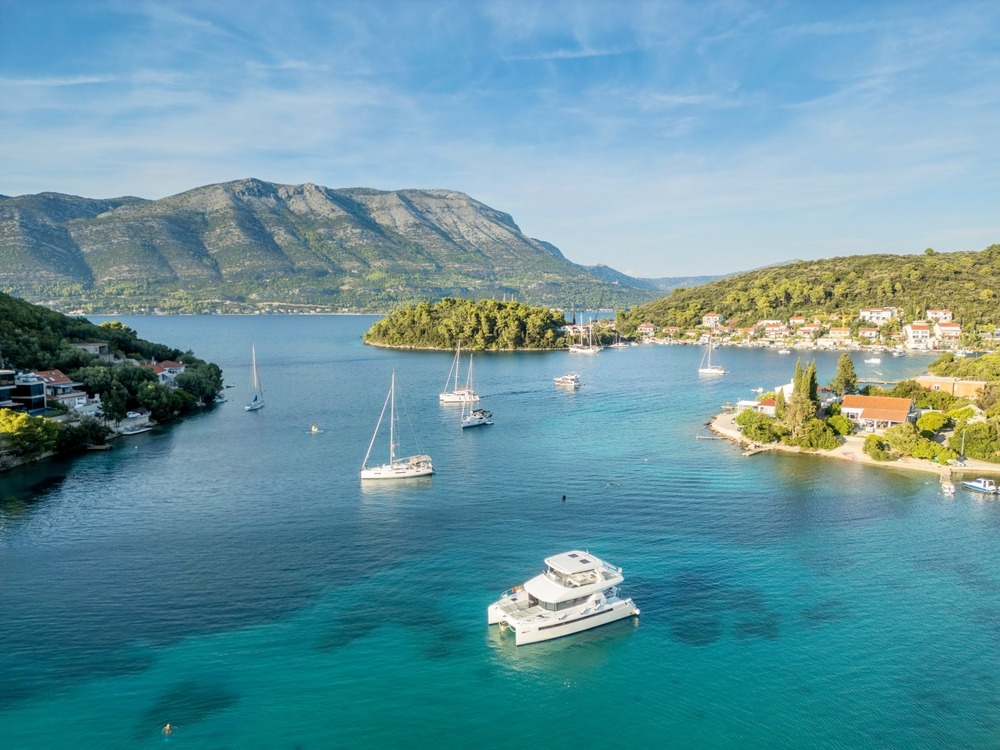
The islands of the Zadar archipelago hold hidden treasures for curious travelers. On Ošljak, the smallest inhabited island in the Croatian Adriatic, a handful of residents perpetuate traditional life in their ancestral stone houses.
The lush island of Ugljan, nicknamed Zadar's garden, is home to thousand-year-old olive groves where local producers gladly share their olive oil-making secrets. At Silba and Olib, two car-free havens, peaceful streets lead to wild coves lined with parasol pines.
On Premuda, divers explore the famous "underwater cathedral," a grotto with turquoise-blue reflections. These authentic destinations invite you to slow down time and savor Mediterranean living.
Other Activities in Zadar
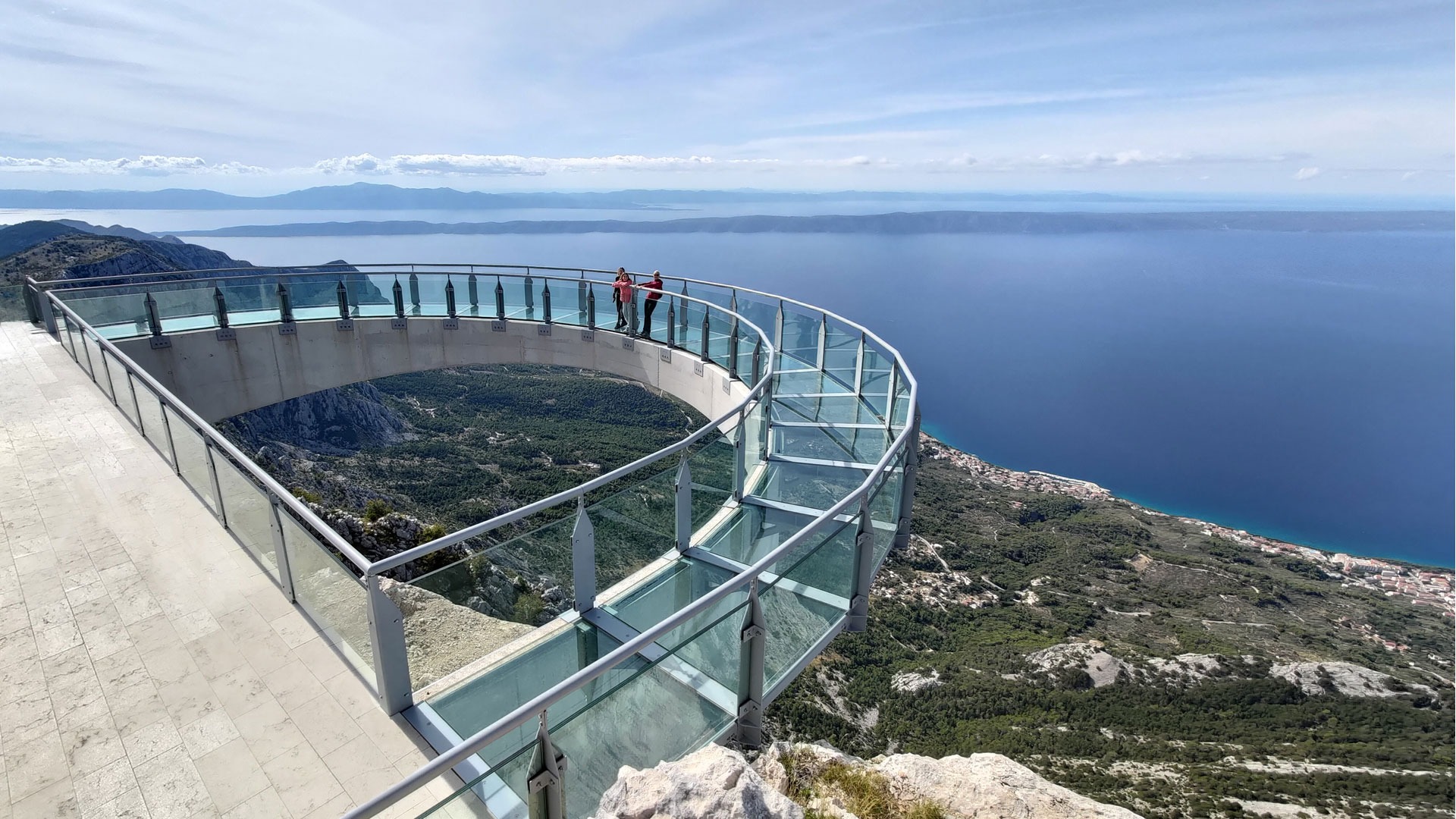
National parks surround Zadar. Paklenica, 40 minutes away by car, delights climbing enthusiasts with its limestone walls and panoramic hiking trails.
For nature lovers, an excursion to the Krka waterfalls, in the national park of the same name, is a must. This natural site, less than an hour from the city, allows you to swim in turquoise waters at the foot of the falls.
Zadar's wine route offers immersion into local culture. Passionate winemakers share their indigenous varieties like Plavina or Maraština in centuries-old family estates.
Zadar's early morning fish market provides an authentic glimpse of local life. Fishermen sell their daily catch in a lively, typically Mediterranean atmosphere.
Practical Information
When to Visit Zadar?
The best time to visit Zadar is May through September, when the climate is pleasant and temperatures range between 25–30°C. To avoid crowds, opt instead for May–June or September. These months are perfect for enjoying beaches and cultural sites in a more peaceful setting.
Zadar Airport welcomes direct flights from Paris, Marseille, and Bordeaux. A shuttle connects the airport to the city center in 20 minutes for €3.50.
The city lies 280 km from Zagreb, accessible by bus (3.5 hours) or car via the A1 motorway. Travelers driving from France will cross Italy through Milan and Trieste, then Slovenia.
Maritime journey enthusiasts will appreciate the ferry connection from Ancona in Italy, featuring a comfortable overnight crossing. A bus service also connects Zadar to major Croatian cities like Split (2 hours) and Dubrovnik (4 hours).
How Many Days to Visit Zadar?
In one day, you can discover Zadar's main sites: the old town, the sea organ, the Sun Salutation, and museums. With two additional days, you can explore surrounding attractions, such as Paklenica National Park and the islands.
Want to discover this destination?
Our local advisors design your tailor-made trip.