Trogir
Trogir
Trogir is a medieval island town in Dalmatia, 27 km from Split, listed as a UNESCO World Heritage site. The Radovan Romanesque portal, Kamerlengo Castle, and Venetian palaces make up a historic center of rare architectural coherence on the Adriatic.
Trogir is a medieval island town in central Dalmatia, connected to the mainland and the island of Čiovo by two bridges. Its historic center, inscribed on the UNESCO World Heritage list since 1997, concentrates within a few hundred meters Roman palaces, Gothic churches, and lively squares. The town owes its architectural coherence to twenty-three centuries of continuous habitation, from the Greek colony to Venetian rule.
Practical information at a glance
- Access: approximately 27 km west of Split; regular buses from Split's main bus station, stopping in the town center.
- Split Airport: located just a few kilometers from Trogir, accessible on foot or by shuttle.
- Historic center: walkable from external parking areas; cars are prohibited in the old town.
- Recommended duration: 3 to 5 hours to explore the old town; a full day if you climb to Kamerlengo Castle and visit interiors.
- St. Lawrence Cathedral: paid entry for the bell tower and certain interior sections.
- Dress code: shoulders and knees covered to enter places of worship.
What to see
The old town is organized around the central square Trg Ivana Pavla II, bordered by St. Lawrence Cathedral, the Rector's Palace, and the municipal loggia. Narrow streets reveal Venetian palaces with flamboyant Gothic windows, interior courtyards, and Romanesque chapels. The waterfront (riva) runs along the channel on the mainland side, animated by terraces and boats.
History and context
Founded in the 3rd century BC by Greek colonists from the island of Vis under the name Tragurion, Trogir came under Roman rule, then Byzantine, and finally Venetian domination from 1420 to 1797. This long Venetian presence explains the wealth of Gothic-Renaissance palaces and the urban layout still visible today. The town resisted Ottoman invasions thanks to its ramparts, largely preserved.
Highlights of your visit
St. Lawrence Cathedral
Built from the 13th to 17th century, the cathedral houses the Radovan Portal (1240), a masterpiece of Adriatic Romanesque sculpture. The reliefs depict scenes of the Nativity, apostles, and allegorical figures representing the months. The bell tower offers a clear view over the rooftops and the channel.
Kamerlengo Castle
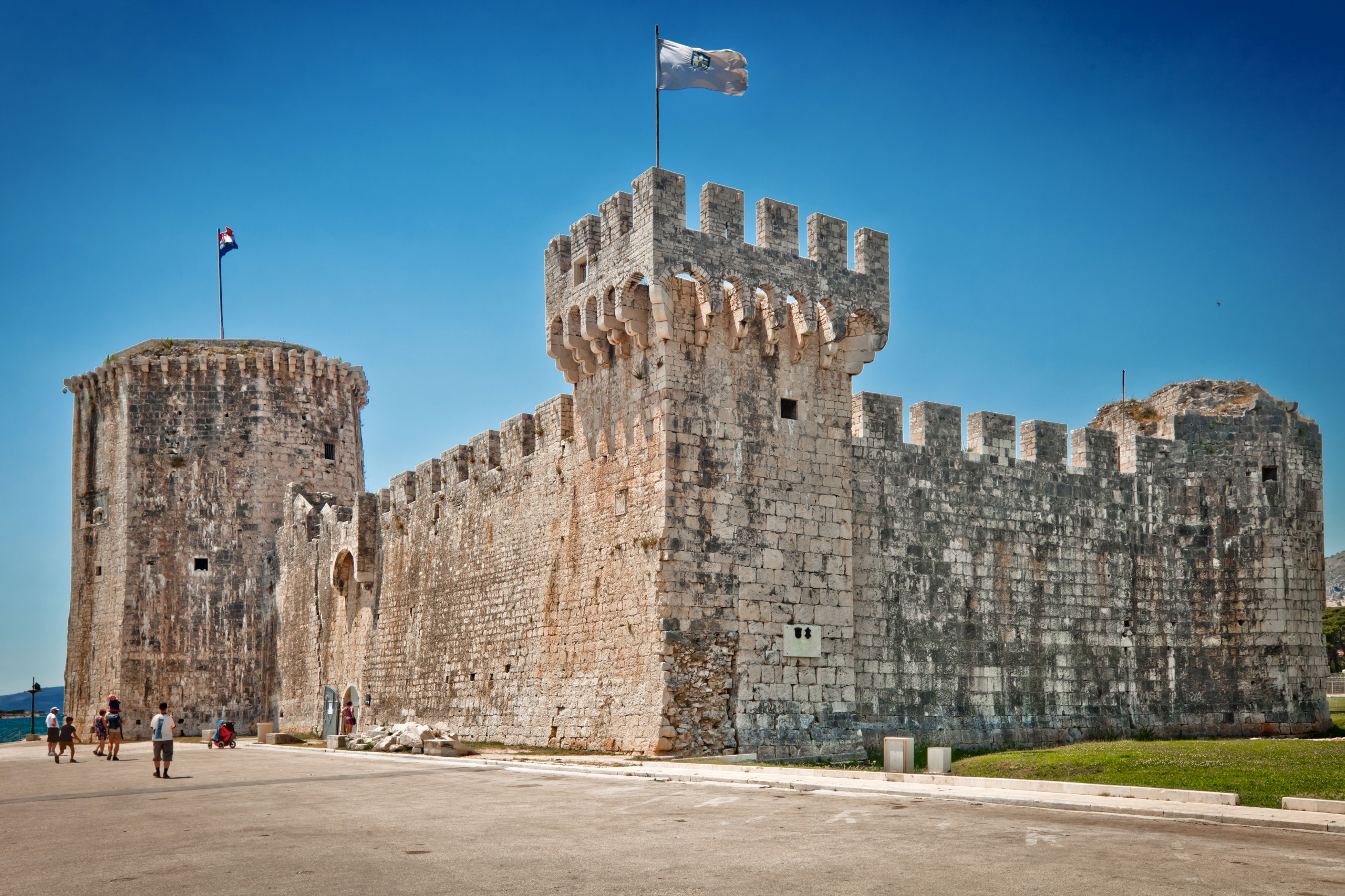
A 15th-century Venetian fortress built at the southwest corner of the island. Its circular towers and ramparts overlook the open sea. In summer, the inner courtyard hosts open-air film screenings.
Cipiko Palace
One of the finest examples of Venetian Gothic architecture in Trogir, with a façade adorned with trilobate windows and a sculpted balcony. It has belonged to the same noble family since the 15th century.
Loggia and Rector's Palace
The medieval loggia, a place of justice and commerce, stands beside the Rector's Palace. A relief of Justice attributed to Nicola di Giovanni Fiorentino adorns the interior wall of the loggia.
Etiquette and visiting rules
- Shoulders and knees covered to enter the cathedral and chapels.
- Silence and discretion during religious services.
- Certain areas of the cathedral may be closed during ceremonies.
Photography tips
Morning light is ideal on the Radovan Portal, which faces west—return in late afternoon to see it in full sun. The waterfront on the mainland side photographs well from the bridge or from a boat. For rooftops and the channel, climb the cathedral's bell tower. At night, the ramparts and riva are well lit.
Location and access
Trogir sits on a small island connected to the mainland by a bridge and to the island of Čiovo by a second bridge. Split Airport is just a few kilometers away, making Trogir often the first stop on a Dalmatian holiday. Regular buses connect it to Split. The old town is entirely pedestrian; parking is available outside the ramparts. Accessibility for people with reduced mobility is limited on the medieval cobbled streets.
Nearby attractions
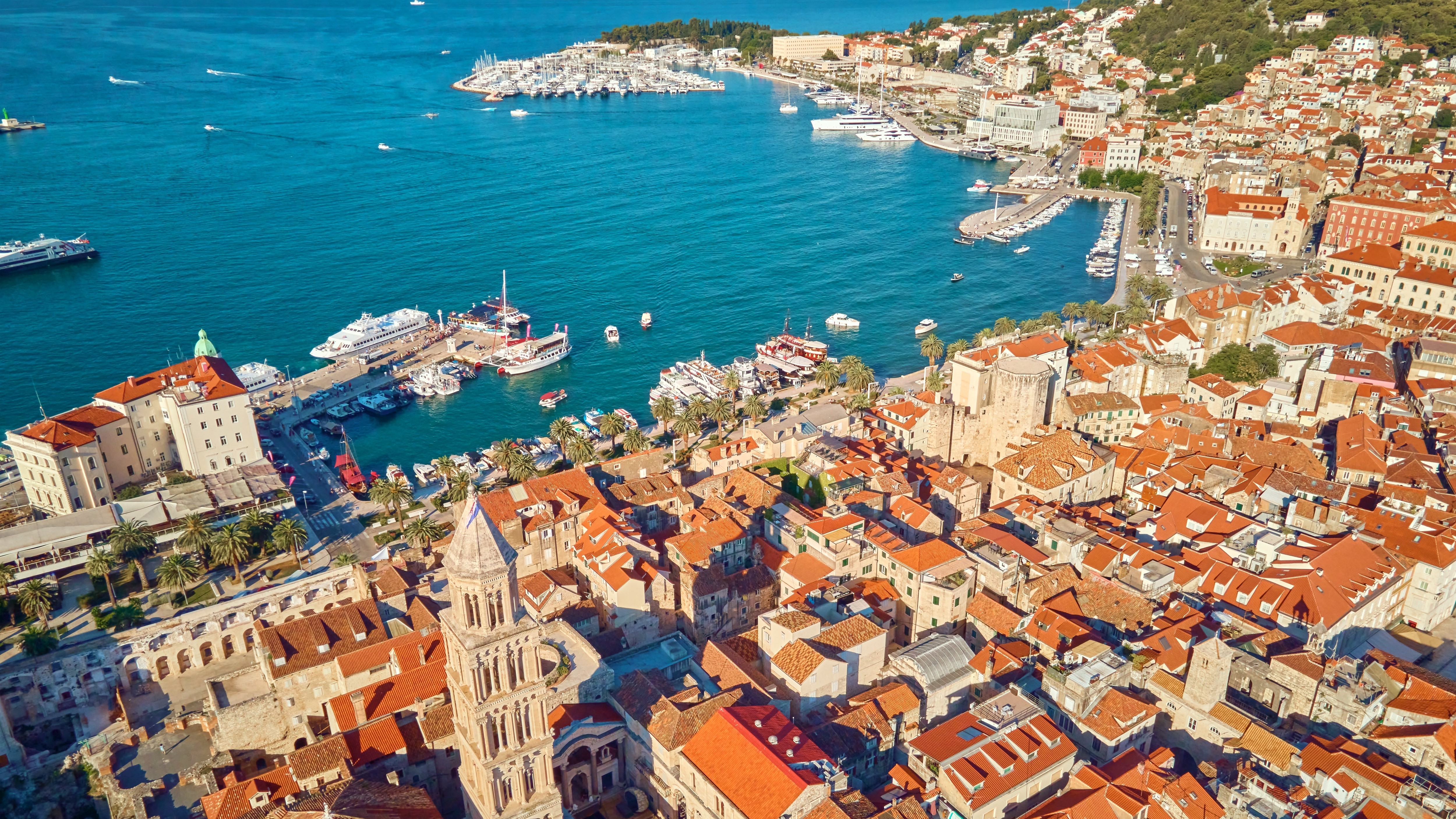
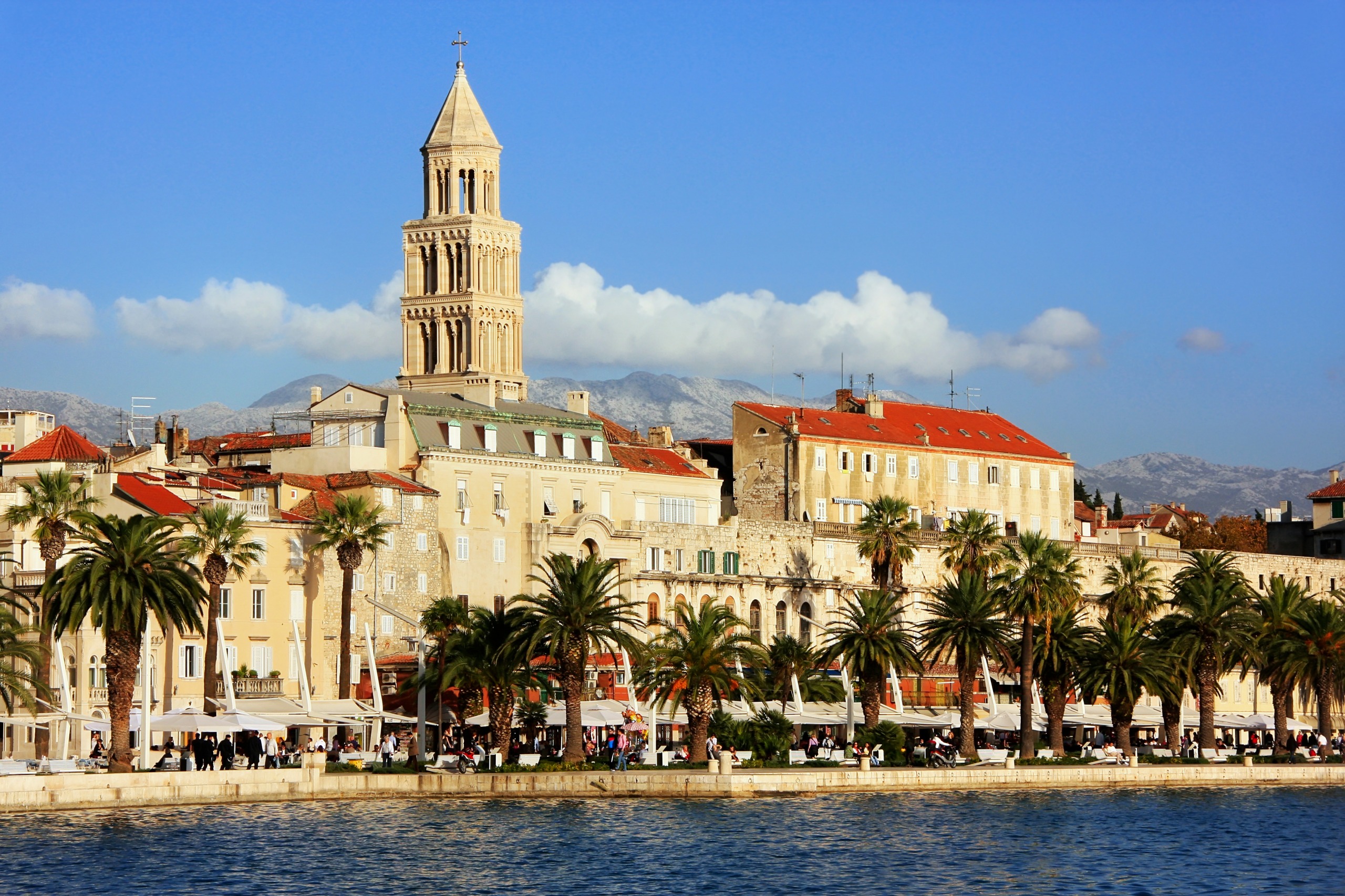
- Split — approximately 27 km away, Diocletian's Palace and the Dalmatian old town are must-sees.
- Krka National Park — waterfalls and gorges accessible as an excursion from Trogir.
- Šibenik — medieval town and St. James Cathedral, another UNESCO site in Dalmatia.
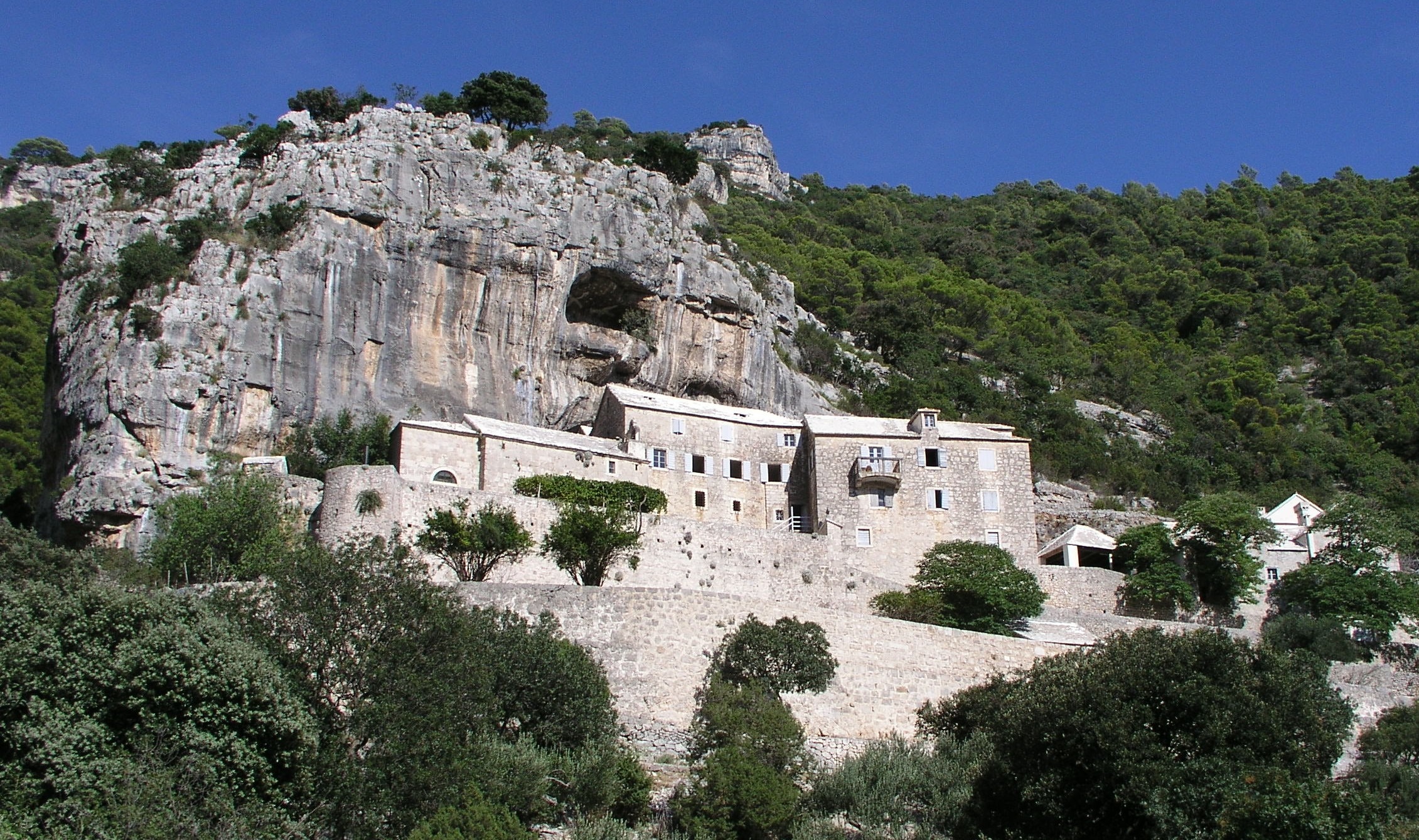
- Island of Brač — Zlatni Rat beach and stone villages, accessible by ferry from Split.
Frequently asked questions
May-June and September-October offer a good balance: pleasant weather and fewer crowds than July-August. Summer is lively but very busy, especially weekends with cruise ships.
Yes, its proximity to the airport and frequent buses allow a 3 to 4-hour excursion. Plan a full day if you wish to visit Kamerlengo Castle and have lunch there.
Access to the streets and squares of the old town is free. Some interior monuments—the cathedral bell tower, Kamerlengo Castle—require paid entry.
Photography is generally permitted in the cathedral outside service times, but without flash. Check the posted rules on the day of your visit.
Cars cannot enter the old town. Paid parking is available outside the ramparts on the mainland side. In high season, lots fill up early in the morning.
The waterfront (riva) is accessible, but the medieval cobbled streets and monument staircases make wheelchair access difficult.
Nearby
Interested in this visit?
We can include it in your personalised itinerary.