Sarajevo Tunnel (Tunnel of Hope)
Sarajevo Tunnel (Tunnel of Hope)
Dug beneath the airport runway during the Sarajevo siege, the Tunnel of Hope saved an encircled city. Today a museum, it offers a direct window into the recent history of the Balkans.
Hand-dug beneath Sarajevo's airport runway, the Tunnel of Hope enabled the passage of supplies between 1993 and 1995 to a besieged city and allowed civilians to escape. Today a museum, it stands as the most tangible testimony to the longest siege endured by a European capital in the 20th century. The visit lasts less than an hour, but its impact is lasting.
Practical Information at a Glance
- Admission: Paid entry (modest fee, tickets sold on-site)
- Recommended duration: 45 minutes to 1 hour
- Access: Butmir neighbourhood, at the airport's edge — tram plus taxi or bus from downtown
- Dress code: No specific requirements; the tunnel is low and narrow, avoid bulky clothing
- Accessibility: Limited — the preserved tunnel section is low and not adapted for mobility concerns
What You'll See
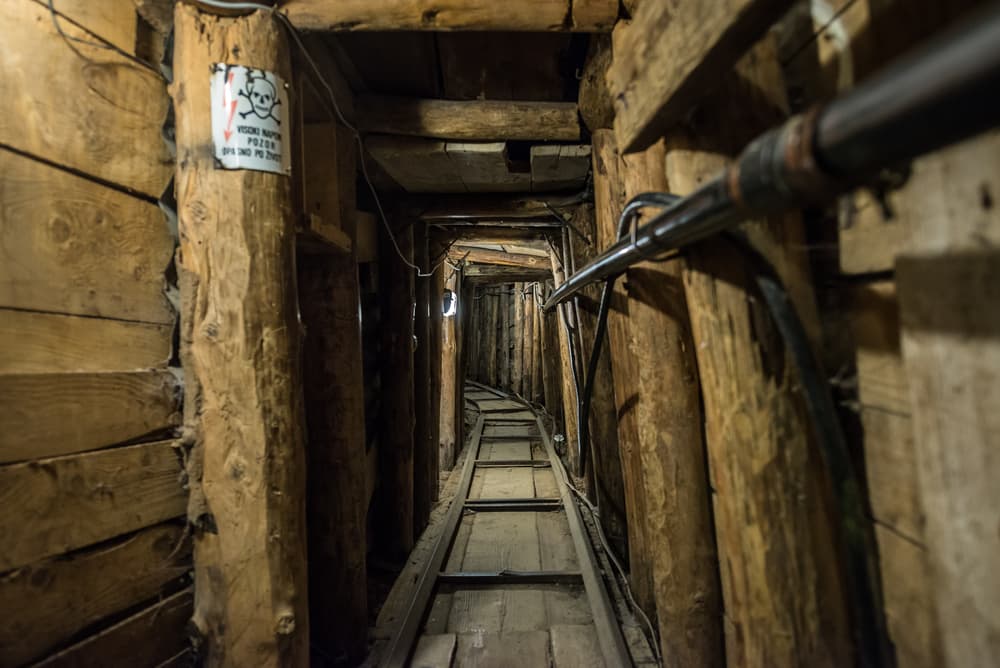
The museum occupies the Kolar family home, the tunnel's entry point on the Bosniak side. A section of approximately 25 meters is open to the public — sufficient to feel the tightness and darkness through which thousands of people crawled, often under fire. Outside, military equipment from the era is on display: armoured vehicles, improvised equipment, and guide rails used to pull supply carts.
A projection room screens archival footage of the siege. Photographs and personal objects on display anchor the history in the daily lives of residents.
History and Context
The Sarajevo siege began in April 1992. Bosnian Serb forces encircle the city; the airport, under UN control, cuts it in two. To circumvent this blockade, the Bosniak army and civilians dig an 800-meter tunnel beneath the runway, connecting the Dobrinja neighbourhood to Butmir.
Completed in July 1993, the tunnel measures approximately 1.6 meters high and 1 meter wide. It allows the passage of food, weapons, fuel, and people — up to 4,000 individuals per day at its peak. Without it, the city's resistance would have been impossible.
Highlights of the Visit
The Preserved Underground Section
Entering the 25 meters of preserved tunnel is enough to understand the physical conditions: low ceiling, wooden walls, partial darkness. The contrast with daylight at the exit is striking.
The Archival Documentary
Screened in the Kolar home, it shows footage taken during the siege — water queues, shell impacts, night convoys. Some sequences were filmed inside the tunnel itself.
The Outdoor Exhibition
Improvised armoured vehicles, generators, tunnel rails: these objects illustrate the ingenuity deployed under extreme constraint. Explanatory panels are available in multiple languages.
Photography Tips
Natural light is absent in the tunnel; a recent smartphone's night mode suffices. Outside, the Kolar home and military equipment photograph well in morning light. Respect visitors in mourning or contemplation — some are survivors or relatives of victims.
Location and Access
The museum is located in the Butmir neighbourhood, southwest of Sarajevo, at the edge of the international airport. From downtown, the taxi journey takes about twenty minutes. Some local buses serve the area, but taxi remains the most direct option. Local agencies offer guided tours combining the tunnel with other siege-related sites.
The site is not accessible by wheelchair due to the tunnel's configuration.
Nearby Attractions
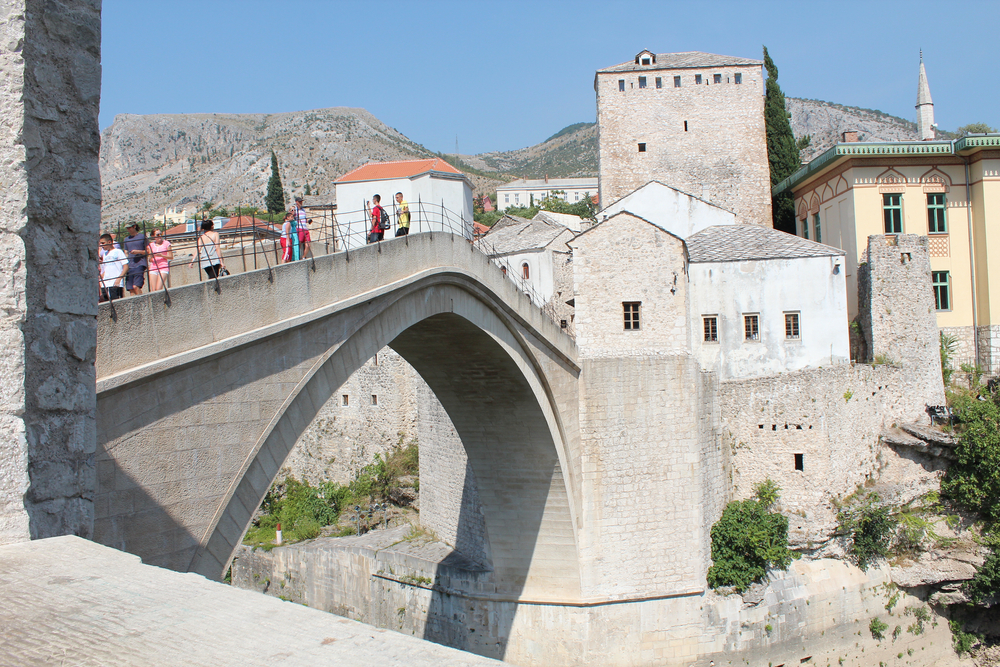
- Stari Most in Mostar — approximately 2 hours' drive away, a symbol of post-war reconstruction in Bosnia.
- Baščaršija — the Ottoman bazaar in central Sarajevo, the natural starting point for any city visit.
- Sacred Heart Cathedral of Sarajevo — a neo-Gothic building in the city centre.
- Kovači Cemetery — a war cemetery where soldiers and civilians who died during the siege are buried.
Frequently asked questions
The museum is open year-round. Spring and autumn offer pleasant temperatures to combine the visit with other city sites. In summer, the site is busier; arriving early morning helps avoid tour groups.
Individual visits generally do not require booking — tickets are purchased on-site. Organised groups can contact the museum beforehand.
The content is historically charged and some archival images are difficult. For children aged 10–12 accompanied by adults, the visit can be educational. The low, dark tunnel may unsettle younger visitors.
Yes. Kovači Cemetery, the Sniper Alley frontline, and the Museum of Bosnia and Herzegovina form a coherent circuit exploring the memory of the siege. A full day suffices to cover these sites.
Photography is generally allowed, including in the underground section. Check posted guidelines at the entrance, as regulations may change.
Yes. Sarajevo is the capital of Bosnia and Herzegovina, a country distinct from Croatia. The tunnel is indeed located in Sarajevo, Bosnia and Herzegovina.
Interested in this visit?
We can include it in your personalised itinerary.