Kornati National Park
Kornati National Park
Around 140 deserted limestone islands between Zadar and Šibenik, accessible only by boat. Cliffs plunging into crystal-clear sea, pristine marine habitats and isolated coves make Kornati the wildest archipelago in Dalmatia.
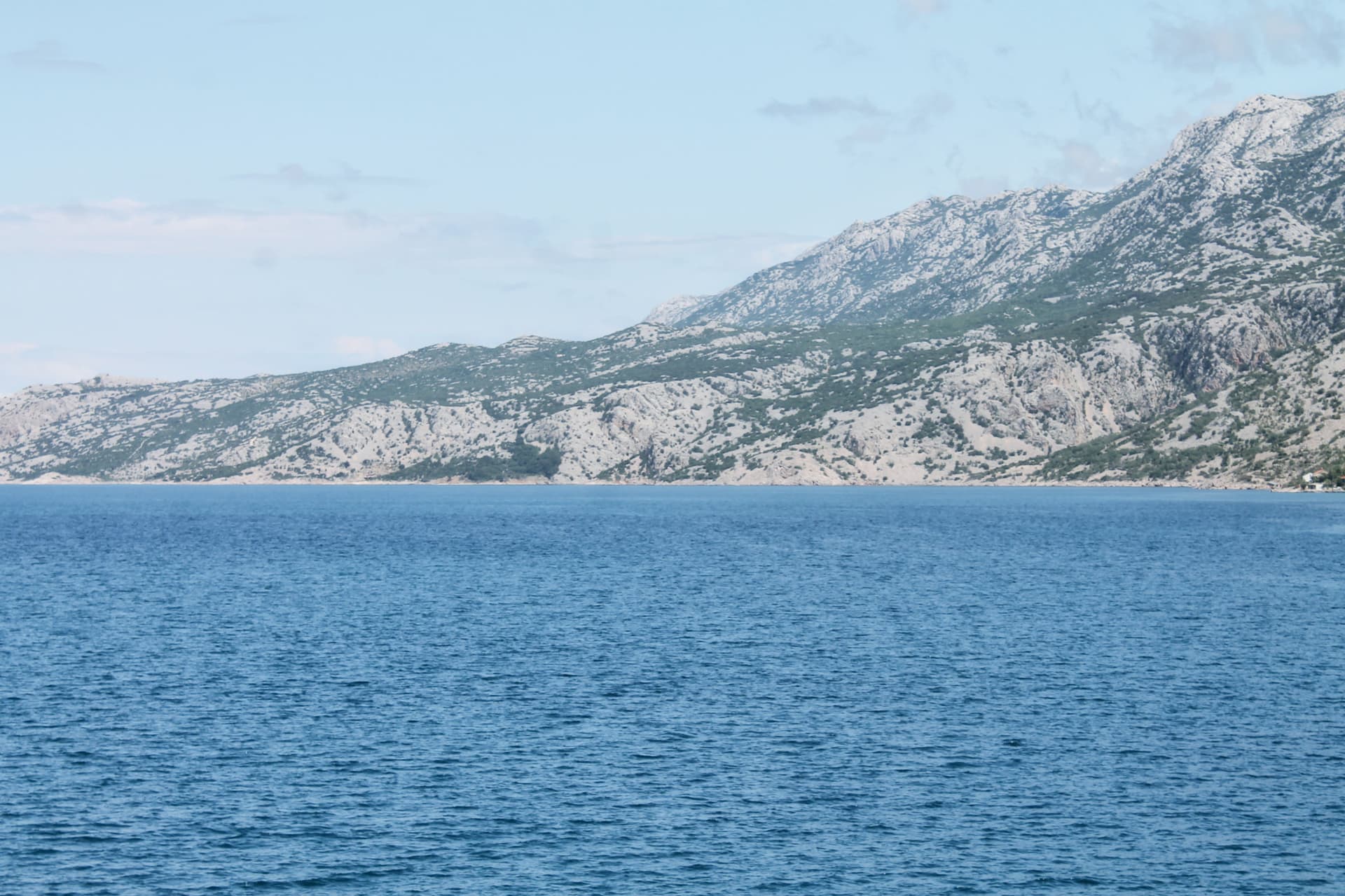
The Kornati archipelago comprises around 140 islands, islets and reefs scattered across the central Adriatic, between Šibenik and Zadar. Designated a national park in 1980, it covers nearly 220 km² including a large expanse of sea. Limestone cliffs plunging directly into turquoise waters, deserted coves and the almost complete absence of fresh water and permanent inhabitants make it one of the wildest archipelagos in the Mediterranean.
Practical information at a glance
- Entrance : paid admission — ticket required to navigate within the park (purchased in advance or from rangers at sea).
- Access : by boat only — excursions from Zadar, Šibenik, Biograd na Moru or Murter; no regular public ferry service.
- Recommended duration : a full day for an excursion; several days by sailboat or charter to explore in depth.
- Season : park open year-round, but organized excursions mainly April to October.
- Key rules : fishing prohibited without special permit, regulated mooring, waste disposal forbidden.
- Accessibility : very limited — rocky terrain and exclusively maritime access.
What to see
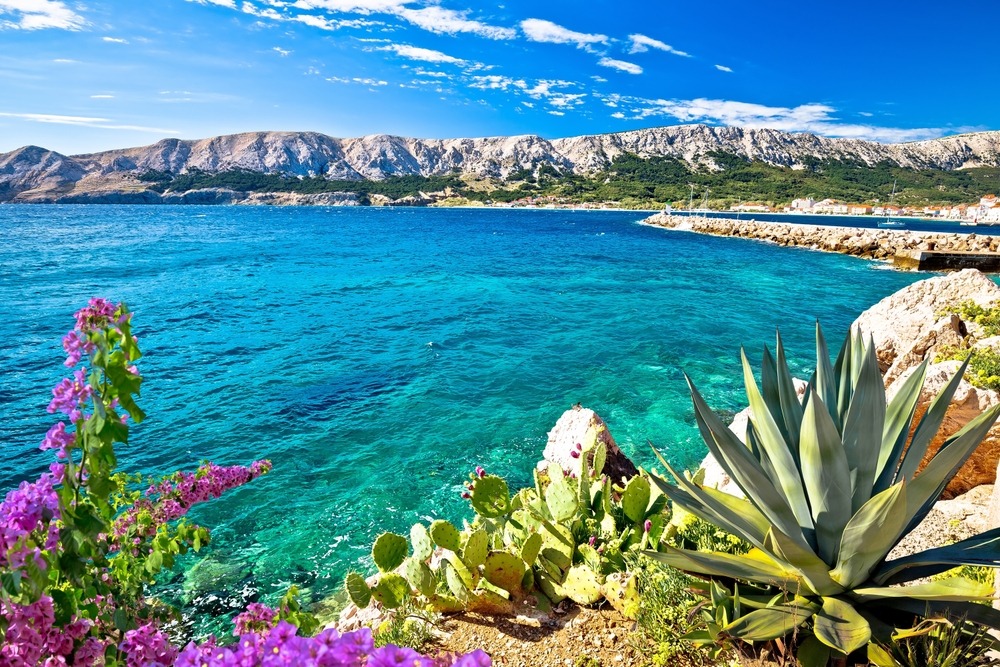
The landscape is mineral and stark: white limestone, sparse scrubland, waters that shift from emerald green to deep blue depending on depth. A few seasonal konobe (taverns) set up in isolated coves, accessible only by sea. Beneath the surface, the seabed shelters seagrass meadows, groupers, moray eels and gorgonians — the park is also a partial marine reserve.
History and context
The Kornati islands have been inhabited seasonally since antiquity. The dry-stone shepherding huts and small enclosures still visible on several islands bear witness to transhumance practices carried out until the 20th century by families from Murter. Writer George Bernard Shaw allegedly described the archipelago as "the most beautiful theatre that God ever built, forged in tears rather than labour" — a quote often repeated, though its authenticity is debated. The national park was established in 1980 to protect both the marine ecosystem and the karst landscape.
Highlights of your visit
The cliffs of Mana
The island of Mana is home to the archipelago's most spectacular cliffs, plunging sheer for around twenty metres into the sea. They serve as the backdrop for many iconic photographs of the park.
Diving and snorkelling
The park's waters rank among the clearest in the Adriatic. Several marked diving sites allow you to observe wrecks, underwater caves and dense benthic fauna. A park-specific diving permit is required.
Sailing between the islands
Navigating between the islands by sailboat or motorboat reveals the diversity of coves: some are entirely deserted, others host a summer konoba where grilled fish and stone-oven lamb are served.
Sunsets from Kornat
Kornat, the archipelago's largest island, offers unobstructed westward views. Late in the day, the raking light on white limestone and sea creates striking contrasts.
Photography tips
Morning and late afternoon light enhance the contrast between white limestone and blue water. The cliffs of Mana are best photographed from a boat positioned facing the rock face. When diving, a waterproof housing or underwater case captures the clarity of the seabed. Avoid midday in summer: overhead light flattens the terrain.
Location and access
The archipelago lies off the central Dalmatian coast. The most common starting point is Murter, whose inhabitants historically own many of the islands. Excursions also depart from Zadar, Šibenik and Biograd na Moru. By chartered sailboat, you can reach the archipelago in a few hours from these ports. There is no road link or regular public ferry service to the park islands.
In the area
- Krka National Park — waterfalls and limestone gorges accessible from Šibenik, around an hour's drive from the port.
- St James Cathedral in Šibenik — Gothic-Renaissance masterpiece listed as UNESCO World Heritage, to visit before or after your sea excursion.
- Old town of Zadar — historic peninsula with the Sea Organ and Roman forum, less than an hour to the north.
- Telašćica Nature Park — salt lake and cliffs on the island of Dugi Otok, often combined with Kornati in a charter itinerary.
Interested in this visit?
We can include it in your personalised itinerary.