Sveti Ilija (Mount Saint Elijah)
The highest point of the Pelješac peninsula at 961 m, Mount Sveti Ilija offers exceptional views over Korčula and the Dalmatian islands. The hike from Orebić is essential for nature lovers and those seeking wide open spaces.
Mount Sveti Ilija dominates the Pelješac peninsula in Southern Dalmatia, with its summit reaching approximately 961 metres. Visible from Korčula and neighbouring islands, it stands as the highest point of the peninsula and offers exceptional panoramic views over the Adriatic, the Dalmatian islands and the inland hills. The hike to the summit is the signature activity for visitors staying in Orebić.
Quick reference guide
- Access: usual starting point from Orebić, the main town on the north coast of Pelješac
- Entrance: free (public mountain)
- Recommended duration: allow half a day to a full day depending on your pace
- What to wear: hiking shoes essential; bring plenty of water
- Best time to visit: spring and autumn to avoid summer heat; in summer, start early in the morning
What you'll see
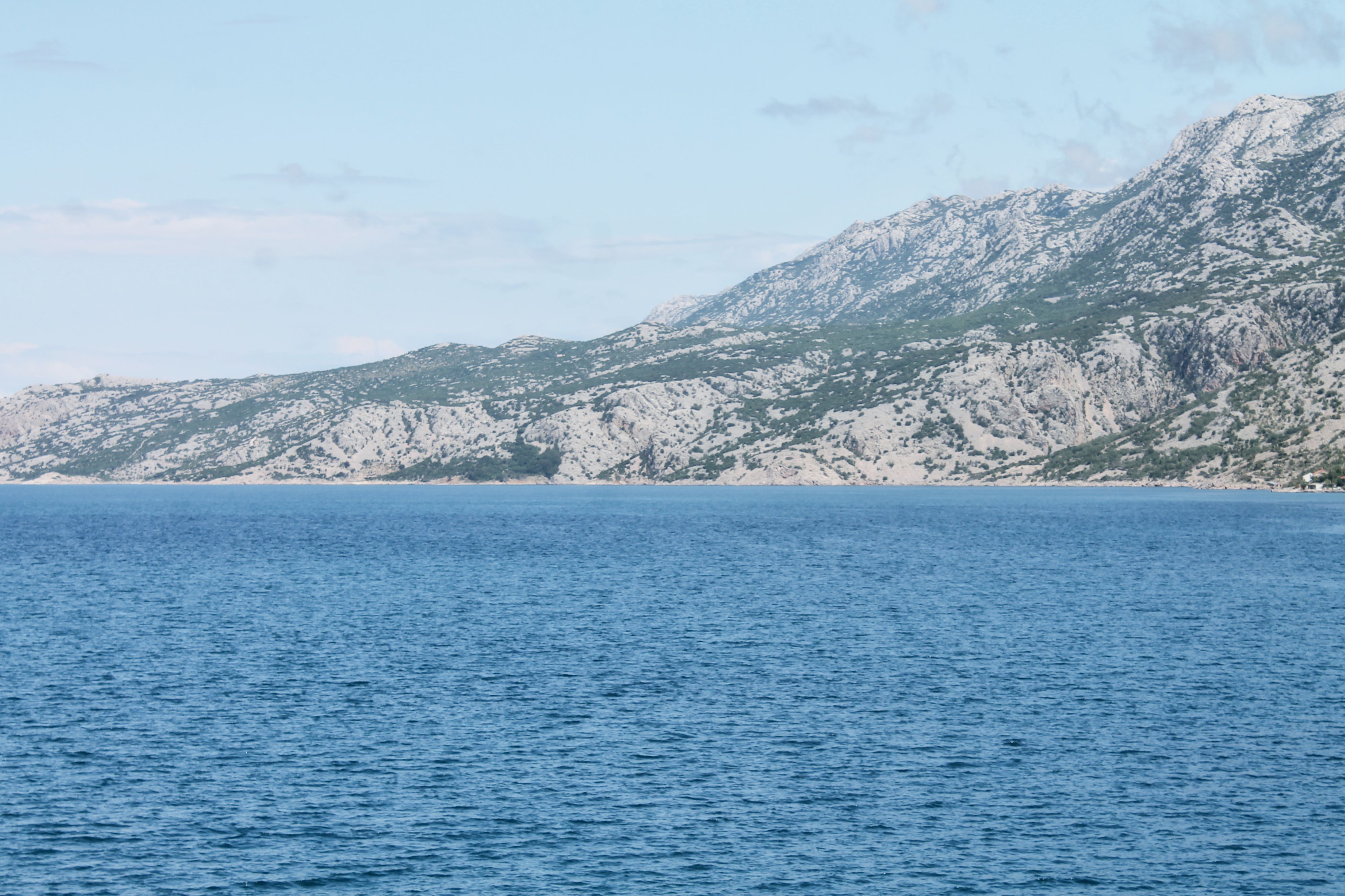
The summit is marked by a small chapel dedicated to Saint Elijah (Sveti Ilija), patron saint of high places in Orthodox and Catholic Dalmatian tradition. On clear days, the panorama encompasses Korčula, Hvar, the islands of Lastovo and Vis, as well as the mountains of Bosnia and Herzegovina to the east. The vegetation changes with altitude: dense Mediterranean scrubland lower down, then pine forests, then rocky moorland at the summit.
History and context
Devotion to Saint Elijah on Mediterranean summits is ancient: the prophet Elijah has been associated with high places and storms since antiquity. The chapel at the summit of Sveti Ilija perpetuates this tradition. Pelješac itself was long under the control of the Republic of Ragusa (Dubrovnik), which dominated the peninsula for its salt and timber resources.
Highlights of your visit
The climb from Orebić
The marked trail starts from the heights of Orebić. The ascent first passes through fragrant scrubland — rosemary, wild lavender, cistus — before reaching more open areas. The elevation gain is significant; plan for a steady pace.
The chapel at the summit
The small stone chapel is the symbolic destination. Simple and understated, it bears witness to Dalmatian popular piety. Some pilgrims hike up here for the feast of Saint Elijah on 20 July.
The panorama over the Adriatic
The summit offers a 360° view: to the south, the Pelješac channel and Korčula; to the north, the Neretva bay and the central Dalmatian islands. On clear days, visibility is remarkable.
Photography tips
Morning light is ideal: the rising sun illuminates the islands from the east and minimises backlight over the sea. In summer, heat haze can reduce visibility mid-day. Bring a wide-angle lens to capture the full extent of the island panorama.
Location and access
Sveti Ilija lies directly above Orebić, accessible by ferry from Korčula-town (short crossing). Orebić is connected to Dubrovnik by the coastal road, with passage via the Pelješac Bridge from 2022, which avoids transit through Bosnia and Herzegovina. There is no public transport to the trailhead; a vehicle or local taxi is needed to reach the starting point at higher altitude.
Nearby attractions
- Orebić — your starting point, known for its captains' villas and pebbly beach facing Korčula.
- Korčula Old Town — a few minutes by ferry, a fortified medieval city of the Ragusa Republic.
- Pelješac vineyards — the peninsula produces Dingač and Postup, two of Croatia's most renowned red wines.
- Ston and Mali Ston — at the eastern end of the peninsula, famous for their medieval walls and oysters.
Frequently asked questions
Spring (April-June) and autumn (September-October) offer pleasant temperatures and colourful vegetation. In July-August, set out at dawn to avoid the heat and risk of dehydration.
The elevation gain is substantial from Orebić. The trail is marked but rocky in places. Good fitness and hiking shoes are necessary; this is not an easy family walk.
Yes. The ferry between Korčula-town and Orebić runs frequently in season. You can hike in the morning from Orebić and cross to Korčula in the afternoon, or vice versa.
There are no reliable water sources on the route. Bring plenty of water from Orebić, especially in summer.
The chapel is generally closed outside of liturgical occasions, notably the feast of Saint Elijah on 20 July. The exterior is always accessible.
Interested in this visit?
We can include it in your personalised itinerary.