Brač Island
Brač Island
Iconic Zlatni Rat beach, white marble, stone villages and vineyards: everything you need to know to plan your trip to Brač Island in Dalmatia.
The third-largest island in the Croatian Adriatic, Brač lies in central Dalmatia, facing Split. It is notably renowned for Zlatni Rat, a V-shaped pebble beach, as well as for its white marble and mountainous landscapes. Brač combines historical heritage, pristine nature and Mediterranean authenticity. Discover everything you need to know about this island in this guide.
History
The earliest traces of human presence on Brač date back to the Neolithic period. The Illyrians settled there permanently before the arrival of the Greeks in the 4th century BCE. The Romans conquered the island and developed the extraction of Brač white marble, a stone of exceptional quality that was used in the construction of the Diocletian's Palace in Split.
During the Middle Ages, the island came under Byzantine rule, then Venetian rule from the 15th century onwards. The Venetian Republic fortified coastal towns and encouraged the cultivation of olives and grapes. Ottoman incursions and pirate raids marked this troubled period. Inhabitants took refuge in inland villages, creating fortified hamlets still visible today.
The island became part of the Austro-Hungarian Empire after Venice's fall in 1797, a period during which infrastructure modernized. The 20th century saw Brač integrated successively into the Kingdom of Yugoslavia, then the Socialist Republic of Croatia. The island weathered the Croatian War of Independence in the 1990s relatively unscathed.
Today
Brač is home today to approximately 14,000 permanent residents, spread across roughly twenty villages and towns. Supetar remains the principal port and administrative center, while Bol attracts the majority of tourists thanks to its famous beach. The economy is built on tourism, viticulture, olive oil production and marble extraction, which remains active.
The island preserves its authentic character despite summer tourist influx. Agricultural traditions and fishing continue in inland villages, where the pace of life remains leisurely.
What to See When Visiting Brač Island?
Zlatni Rat
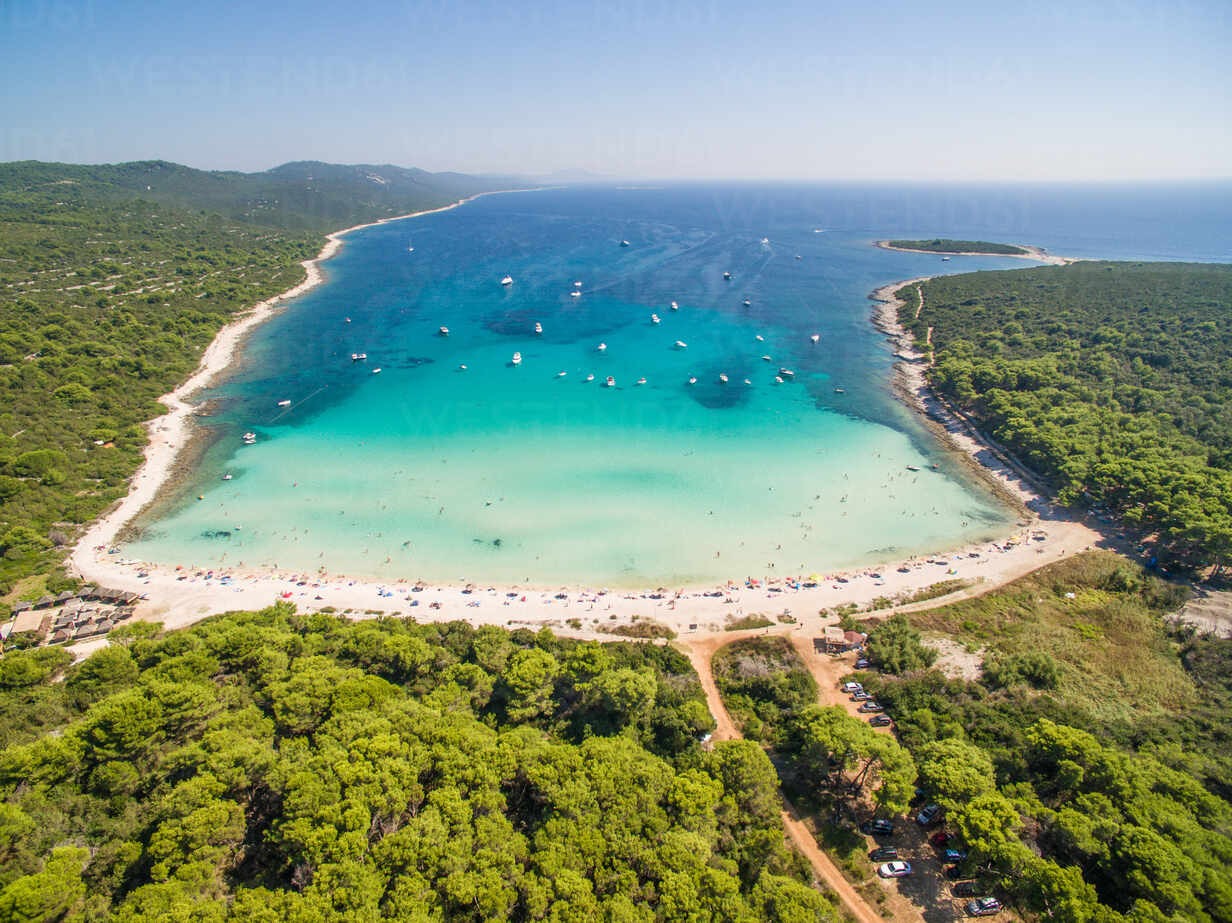
Zlatni Rat beach, near Bol, stands as the island's emblem and one of the most photographed beaches in Croatia. This tongue of white pebbles extends into the turquoise sea for nearly 500 metres and changes shape according to currents and winds. Aleppo pines border the back of the beach, providing welcome shade. Thanks to the maestral, a summer thermal wind, Zlatni Rat is ideal for swimming, windsurfing and kitesurfing.
Vidova Gora
The highest point of Croatian Adriatic islands, Mount Vidova Gora reaches 778 metres in altitude. It offers a spectacular panorama over Zlatni Rat, Bol, Hvar and neighbouring islands. A passable road leads to the summit, but hikers will appreciate the trail from Bol, which crosses pine forests, terraced vineyards and sheep pastures. Sunrise and sunset here are particularly memorable.
Blaca Monastery
Nestled in an isolated valley in the heart of the island, Blaca Monastery was founded in the 16th century by Glagolitic monks fleeing the Ottomans. It bears witness to their austere monastic life. You will discover an astronomical observatory, a library and collections of ancient objects. Access is on foot from the parking area, via a 40-minute trail that winds through Mediterranean vegetation.
Bol
Lying at the foot of Vidova Gora's slopes and bordered by the sea, Bol is the island's most touristy town. It attracts visitors with its paved alleyways, fishing harbour, art galleries and waterfront restaurants. It is an excellent starting point for water activities and mountain excursions.
Supetar
Supetar offers a more authentic and less touristy atmosphere than Bol. In its historic centre, you will see a Baroque church, a monumental cemetery adorned with sculptures carved from local marble and a long seaside promenade lined with palm trees. Pebble beaches also extend on either side of the town centre.
Pučišća
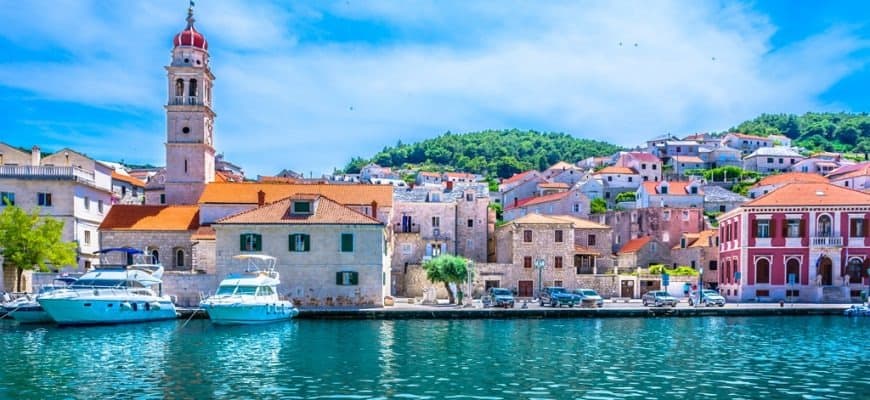
Pučišća, one of Brač's most picturesque villages, occupies a deep bay on the island's north coast. White stone houses cascade down the surrounding hillsides. The village is home to a renowned school of stone carvers, perpetuating ancestral expertise in marble work. The tranquil harbour, family-run restaurants and pebble beaches create a peaceful atmosphere, far from Bol's tourist bustle.
Skrip
Skrip is the island's oldest inhabited village. The Brač Island Museum occupies a cluster of medieval buildings and presents local history, archaeology and ethnography. Roman remains, paved alleyways and stone houses testify to this hamlet's rich past. With its olive presses, terraced vineyards and flocks of sheep, Skrip offers an authentic glimpse into traditional local rural life.
What to Do on Brač Island?
Coastal Road Trip
Traverse the scenic route that circles the island to discover preserved coastal villages, secluded bays and spectacular views over the Adriatic. The route connects Supetar, Pučišća, Bol and small fishing ports. Stops are a must to photograph landscapes, swim in deserted coves and lunch in konobas (traditional taverns) serving grilled fish and local specialties.
Taste Local Wines and Olive Oil
Brač produces excellent white and red wines, notably Pošip and Plavac Mali. Wine estates and olive mills open their doors to visitors for tastings. Brač's extra virgin olive oil enjoys a good reputation. Inland villages such as Nerežišća and Dol offer authentic wine tourism experiences, with terraced vineyard visits and meetings with producers.
Explore Beaches and Tranquil Bays
Looking for beaches away from the crowds? Visit Milna. Its marina and small pebble coves, peacefully sheltered in a deep bay, invite relaxation. Bobovišća Bay is another option. It captivates with its authentic charm: a few fishermen's houses, a preserved maritime atmosphere and small family establishments where you can lunch with your feet in the water. Also consider Lovrečina Bay, which features one of the island's rare sandy beaches, backed by the remains of a paleochristian basilica.
Hike or Mountain Bike
Brač boasts a network of marked trails crossing varied landscapes: pine forests, fragrant scrubland, vineyards, century-old olive trees and rocky coastlines. You can explore Vidova Gora on foot and circuits linking the island's villages. Mountain biking is also possible. Rural paths and dirt tracks crisscross the hinterland.
Practical Information
When to Visit Brač Island?
The region's Mediterranean climate guarantees hot, dry summers and mild winters. The best period to visit the island extends from May to September. Ideally, visit in June or September, when temperatures are pleasant, the sea is warm and crowds are moderate.
Ferries and catamarans connect Split to Supetar several times daily, with a crossing of 50 minutes to 1 hour. In high season, maritime links also serve Bol from Split and Makarska. Booking is essential in summer for vehicles.
A car remains the most practical way to explore the island. Rental is available in Supetar and Bol. Local buses also connect the island's main towns, though their schedules are limited. A scooter and bicycle work well for short distances and coastal villages.
FAQ About Brač Island
Where to Stay on Brač?
Several accommodation options await you in Bol, though they are pricier and busier than those in Supetar, a more authentic and affordable base.
Brač or Hvar—which island to choose for your vacation?
Brač focuses on nature, outdoor activities and authenticity to attract visitors; while Hvar is a destination known for its lively nightlife, trendy beaches and summer vibrancy.
Brač or Korčula—which should you choose?
Both islands guarantee authenticity and natural beauty, but opt for Korčula if you seek more historical heritage.
Brač or Mljet—which island to visit?
Brač features more developed tourist infrastructure and easier access from Split than Mljet, which is wilder, with lush vegetation
Attractions in Brač Island
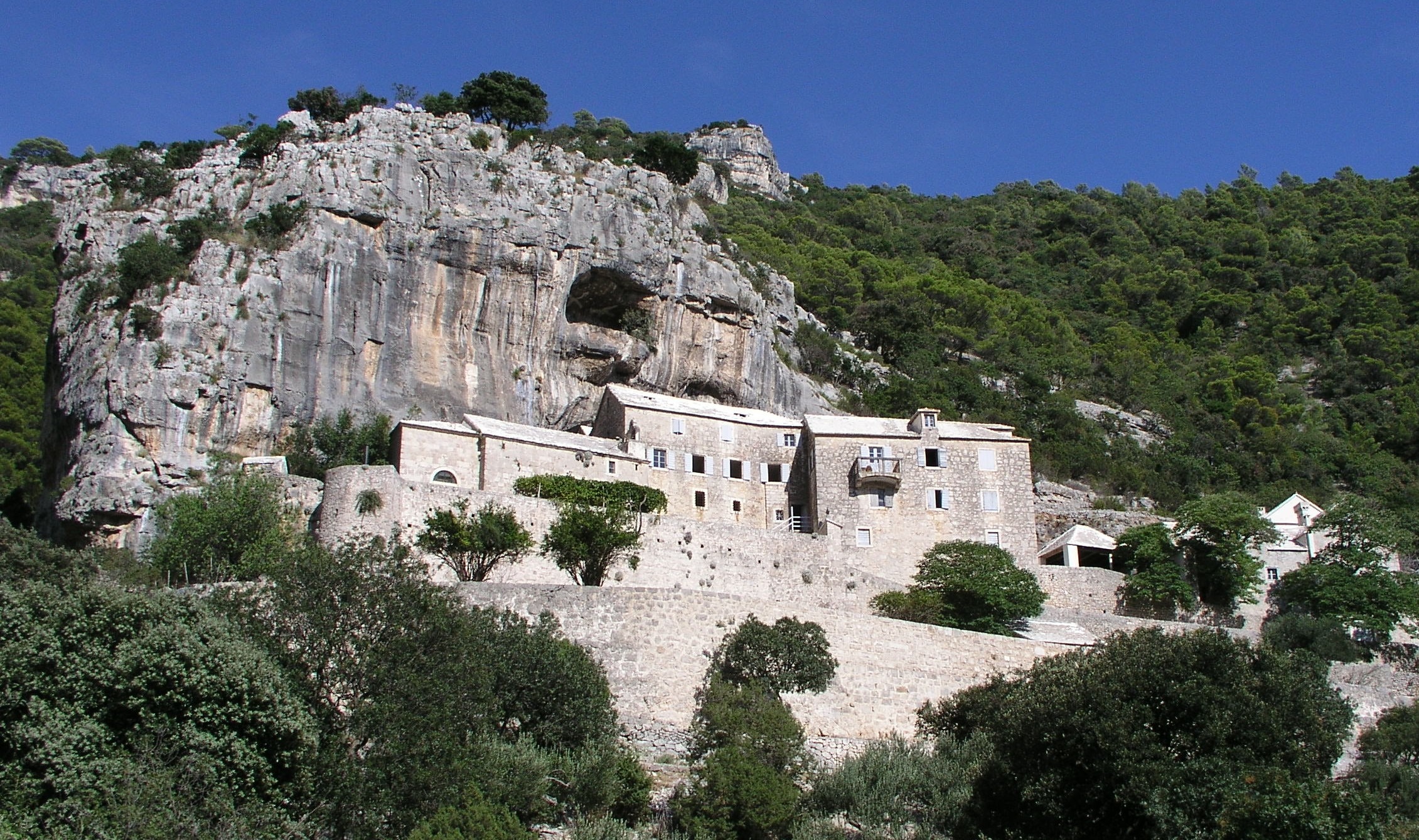
L'ermitage de Blaca
Monastère glagolitique fondé au XVIe siècle dans une vallée isolée de l'île de Brač, accessible uniquement par sentier ou par bateau depuis Bol.
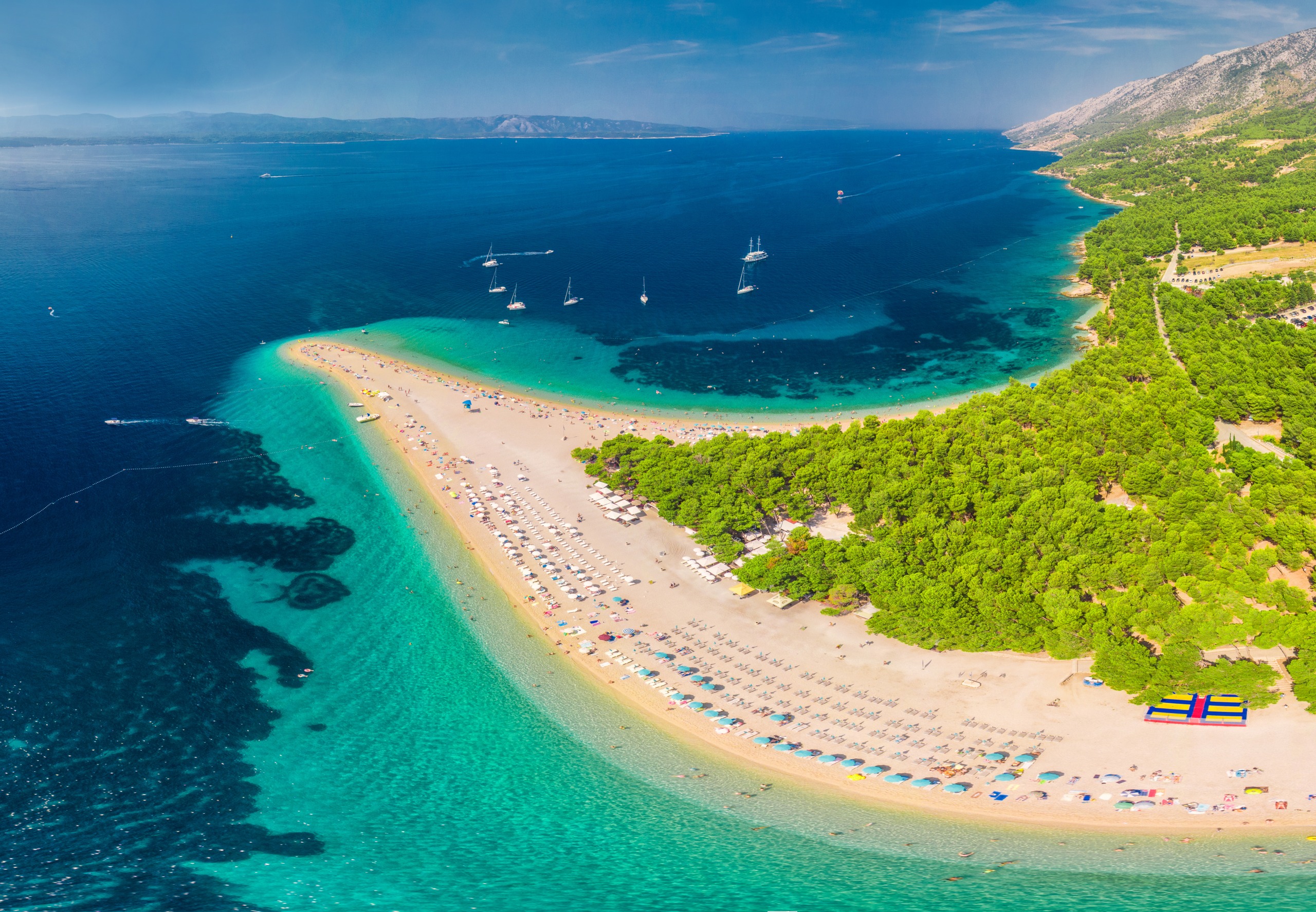
Plage de Zlatni Rat à Bol
Sur l'île de Brač, près de Bol, Zlatni Rat est une langue de galets de 500 m qui change de forme au gré du vent. Plage, pinède et vestiges romains.
Want to discover this destination?
Our local advisors design your tailor-made trip.