Tekké of Blagaj
Tekké of Blagaj
A 16th-century dervish monastery built into a 200-meter cliff face at the source of the Buna River near Mostar. Visiting details, history, and access from Croatie.
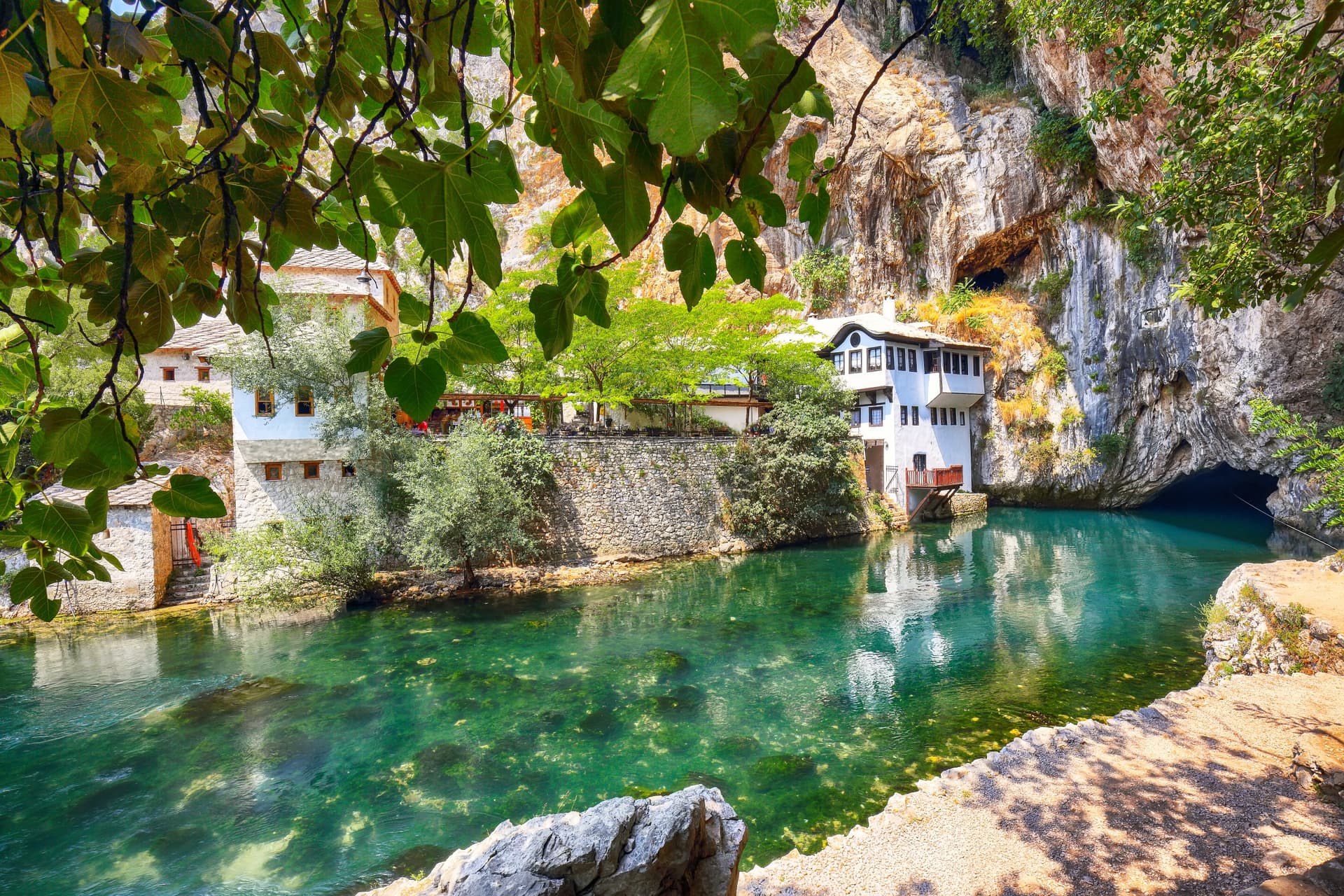
The Tekké of Blagaj (Tekija Blagaj in the local language) is a 16th-century dervish monastery located in the village of Blagaj, near Mostar in Bosnia and Herzegovina. Built into a 200-meter limestone cliff, it overlooks the crystal-clear source of the Buna River. The site is easily visited as a day excursion from the Croatie coast, and pairs naturally with a stay in Dubrovnik or Split.
Why visit the Tekké of Blagaj
The site's appeal lies in three combined elements. First, its architecture: a 16th-century Ottoman building blended with Mediterranean influences, nestled beneath the rock face. Second, its religious function: it was one of the principal Sufi centers in the Balkans, and still hosts the zikr ritual today, celebrated up to three times weekly. Finally, its natural setting: the Buna spring flows directly from the cliff, forming a basin of deep blue that feeds the river.
History of the dervish monastery
The tekké was built in the 16th century on the site of an earlier Bogomil sanctuary, itself built over remains dating to the late Antiquity according to archaeological excavations. A written mention dated June 1st, 1454 confirms the site's religious importance before the Ottoman arrival.
In 1664, Ottoman traveler Evlija Čelebi documented the Tekké and described it as a renowned center of reflection and scientific debate within the Empire. The complex operated actively until 1925, the year of the death of its last sheikh, Sejdo Šehović.
After World War II, dervish activities and tekkés were officially forbidden in Bosnia and Herzegovina. Until the 1970s, the site was managed by the National Museum of Bosnia and Herzegovina. From 1974 onward, the Islamic community took over use of the building without official authorization, to prevent its deterioration. The traditions of dovišt and the annual mevlud (celebration dedicated to the Prophet Muhammad) have since been reintroduced. The most recent restoration dates to 2011.
What to see on-site
The approach to the complex is marked by seven panels positioned at strategic points. Each symbolizes a key element of Bosnian tekkés: the house, the staircase, water, rocks, the river source, the tomb, and the cave.
Before entering, modest dress is requested and shoes are removed at the threshold. Scarves and shawls are available at the entrance for those not equipped.
Inside, several spaces unfold:
- The main hall on the ground floor, with three windows opening directly onto the spring. An open Quran rests on a table: this is where the zikr ritual takes place.
- The hammam, at the rear of the building, whose Ottoman engineering relied on heating from chambers below. The ceiling retains its star-patterned mosaics.
- Ornamental details: painted ceilings, colored glass lamps, Arabic calligraphy, and mosaics distributed throughout the rooms.
Allow approximately 30 minutes for a quick visit, up to 1 hour if you take time to observe each room.
Practical information
Entry is paid (modest rate, free for young children). An English-speaking or Bosnian-speaking guided tour is available for a supplement, as well as a traditional tea tasting in the garden overlooking the Buna. Payment is in cash at the entrance.
A few rules to know:
- Modest dress covering shoulders and knees; headscarf for women (provided on-site if needed)
- Shoes removed before entering
- Photography permitted in most rooms, but avoided during prayers
When to visit
The site is open year-round, but May through October offer the best visiting conditions, with Buna water particularly clear in spring due to snowmelt. Summer (July-August) attracts crowds and temperatures often exceed 30°C: consider morning or late afternoon visits, when slanting light illuminates the limestone cliff and the monastery's white façade. Opening hours are seasonal and more restricted in winter.
How to get there
The tekké is in Bosnia and Herzegovina, but is commonly visited from Croatie as a day trip via Mostar.
- From Mostar: regular bus from Španski Trg square, approximately 30 minutes' travel. Frequencies vary by season.
- By car: regional route E73/M17, paid parking near the site and free parking higher up in the village.
- By taxi: flexible option from Mostar, at generally reasonable rates.
- From the Croatie coast: Dubrovnik is approximately 3 hours by road, Split 3.5 hours, making the day trip feasible but lengthy.
What to see nearby
The Blagaj Fortress, perched approximately 200 meters above the village, has served as a defensive point since Illyrian times. Only sections of walls remain, but the view over the Buna valley justifies the climb. Plan on a 2 km hike (roughly 25 minutes) from the Dervish House.
For dining, several establishments line the river. The Vrelo restaurant, riverside, serves the local specialty: freshly caught and grilled trout, raised in the waters of the Buna itself.
To extend your visit, you can combine the tekké with other regional sites: the Bosnian pyramids near Visoko, or on the Croatie side the Palace of Diocletian in Split and the Blaca Hermitage on the island of Brač, which offers another example of a religious retreat built into a cliff face.
Frequently asked questions
Frequently asked questions
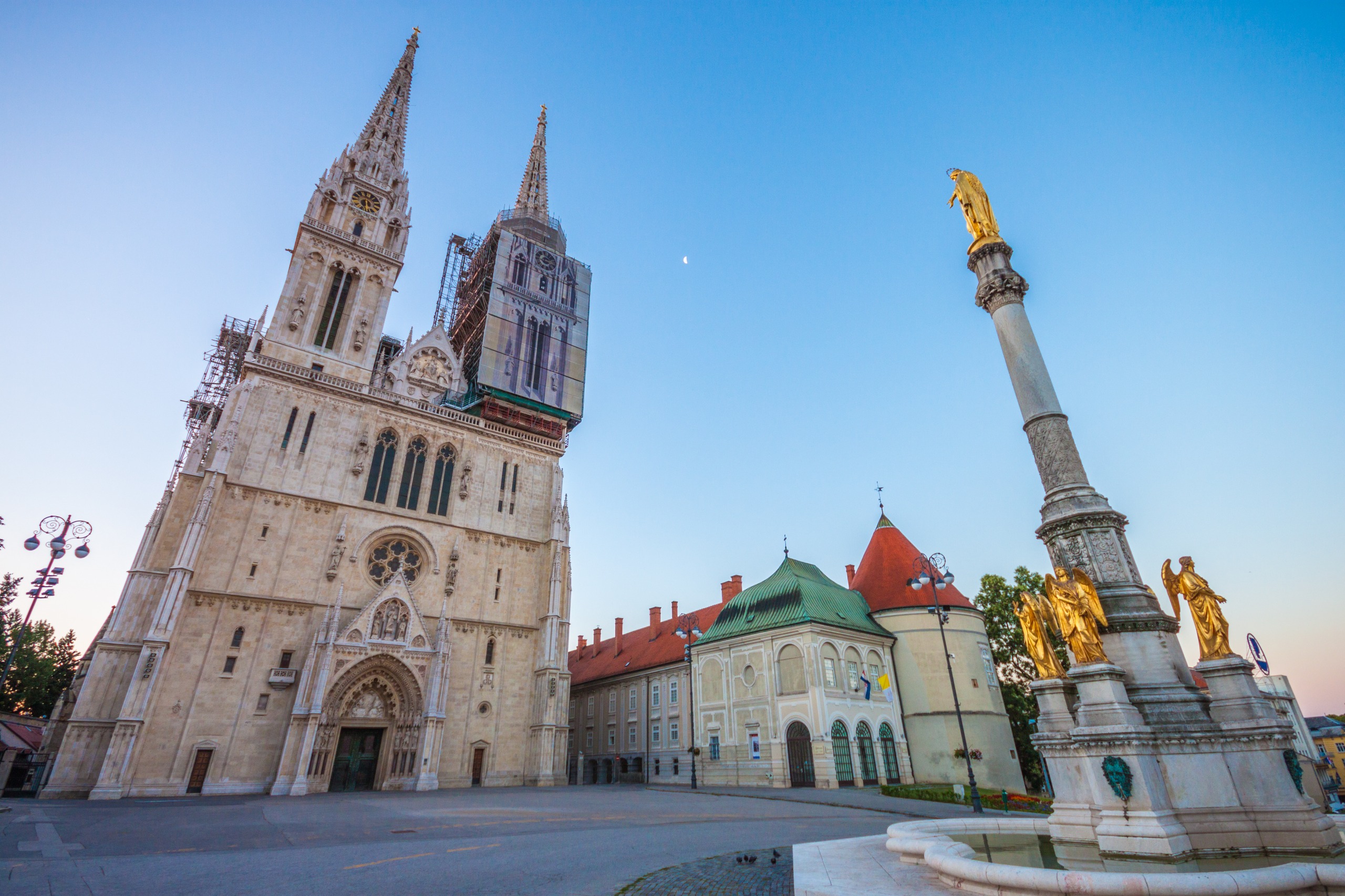
The site is located in Bosnia and Herzegovina, in the village of Blagaj near Mostar. It is nonetheless frequently included in itineraries from Croatie, as a day excursion from Dubrovnik or Split.
Plan 30 minutes for a quick visit, and 1 to 2 hours if you add the climb to the fortress and a riverside meal.
Yes, the tekké is an active place of worship. Shoulders and knees must be covered, shoes are removed at the entrance, and a headscarf is requested for women. Head coverings and scarves are loaned on-site.
The zikr takes place up to three times weekly. It is generally possible to attend discreetly, provided you respect silence and do not photograph during prayer.
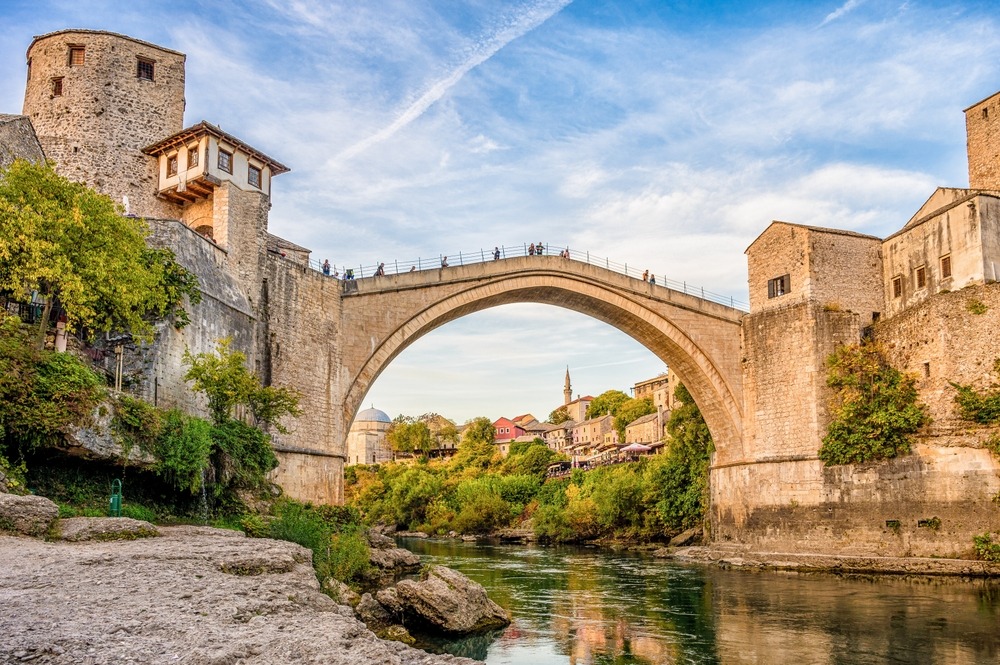
Yes, that is the most common option. Mostar is only 30 minutes by bus from Španski Trg square, allowing you to see the historic bridge and the tekké in the same day.
Plan your trip
The Tekké of Blagaj fits naturally into a combined Croatie–Bosnia and Herzegovina itinerary. To plan your stay and pair it with other stops in western Balkans, consult our Croatie travel guide.
Nearby
Interested in this visit?
We can include it in your personalised itinerary.