Rijeka
Rijeka
Rijeka, Croatia's third-largest city and capital of the Kvarner region, captivates with its UNESCO-inscribed carnival, a castle perched on the heights, and a maritime façade blending Austro-Hungarian heritage with authentic urban life.
Rijeka is Croatia's third-largest city and its principal port. Nestled at the head of the Kvarner Gulf, between sea and karst, it blends Austro-Hungarian architecture, industrial heritage and urban energy that mainstream itineraries often overlook. European Capital of Culture in 2020, it draws visitors today for its carnival, museums and thriving arts scene — without the crowds of the Dalmatian coast.
Practical Information at a Glance
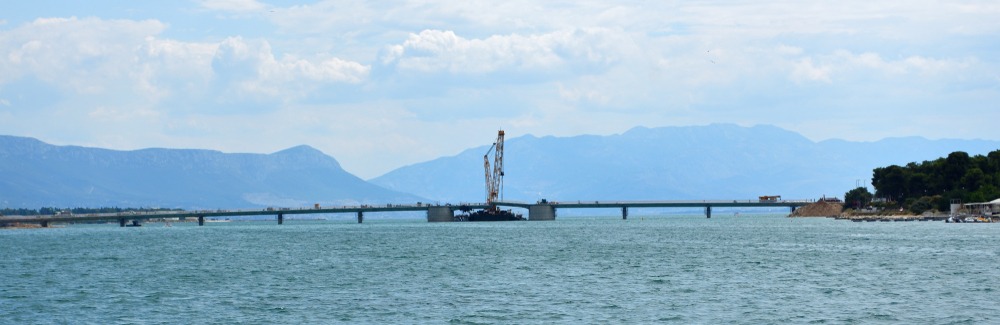
- Access: Rijeka airport (on the island of Krk, connected by the Krk Bridge); bus connections from Zagreb (~2.5 hours), Split and Ljubljana.
- Local transport: dense urban bus network; city centre walkable on foot.
- Recommended duration: 1 to 2 days for the centre; 3 days to combine Kvarner excursions.
- Accessibility: city centre partially accessible; some steep alleyways.
- Ideal season: May–June and September to avoid heat and peak season.
What to See
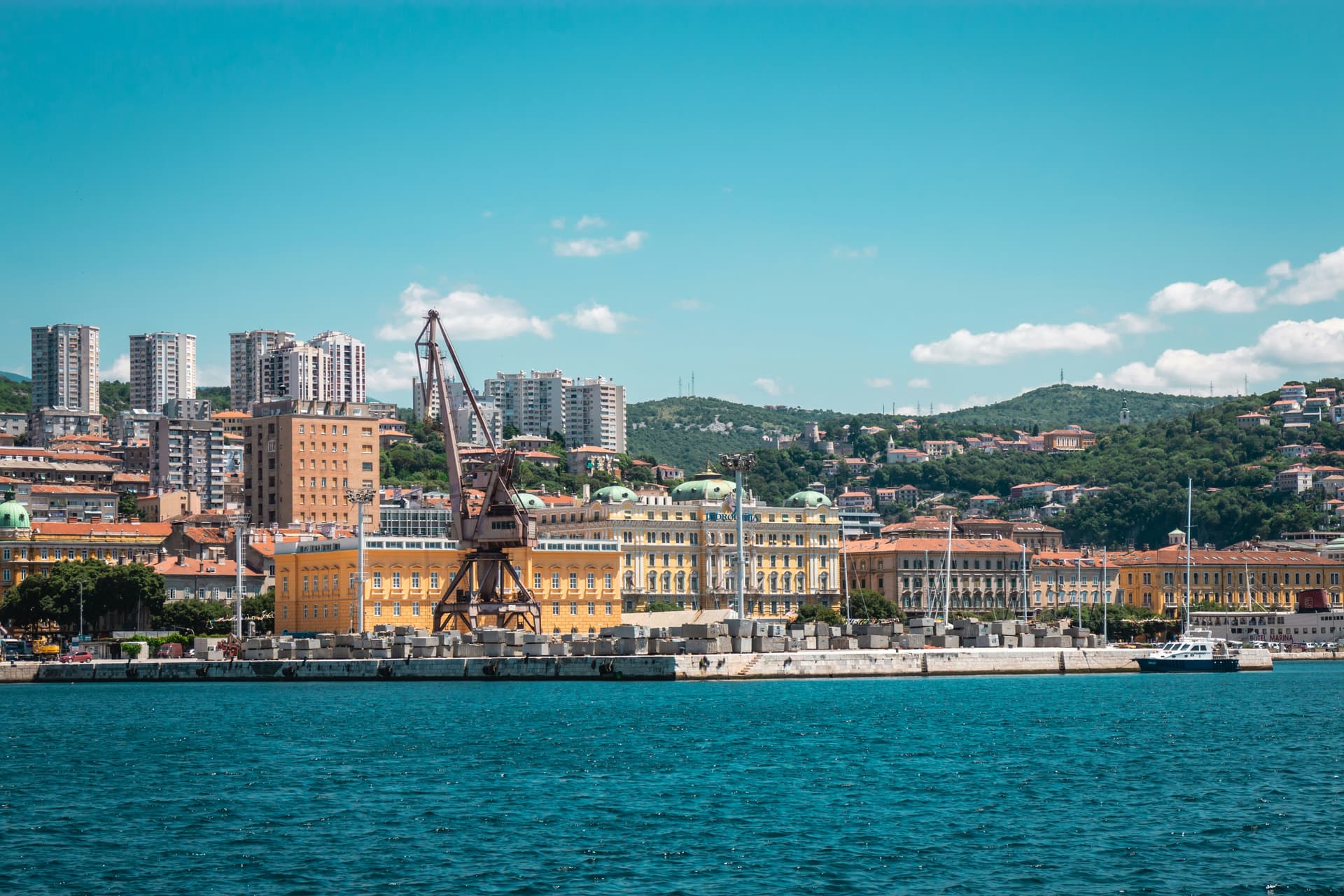
The Korzo, the central pedestrian avenue, concentrates cafés, neoclassical façades and local life. The City Tower (Gradski toranj, 17th century) marks the entrance to the old town. Trsat Castle, perched on the heights, commands sweeping views over the gulf. The port, still active, sets the industrial and maritime tone of the city.
History and Context
Rijeka was long contested between Austria-Hungary, Italy and Yugoslavia. After 1918, the poet-soldier Gabriele D'Annunzio seized it with his legionnaires in a flamboyant political adventure. The city was Italian (Fiume) until 1947, then Yugoslav. This layered history explains its composite architecture and the singular cultural identity of its inhabitants.
Highlights of a Visit
The Rijeka Carnival
One of Central Europe's largest carnivals, held each year in February. The main parade draws tens of thousands of participants. The zvončari — masked bell-ringers from villages across the Kvarner — are inscribed in UNESCO's Intangible Cultural Heritage.
Trsat Castle
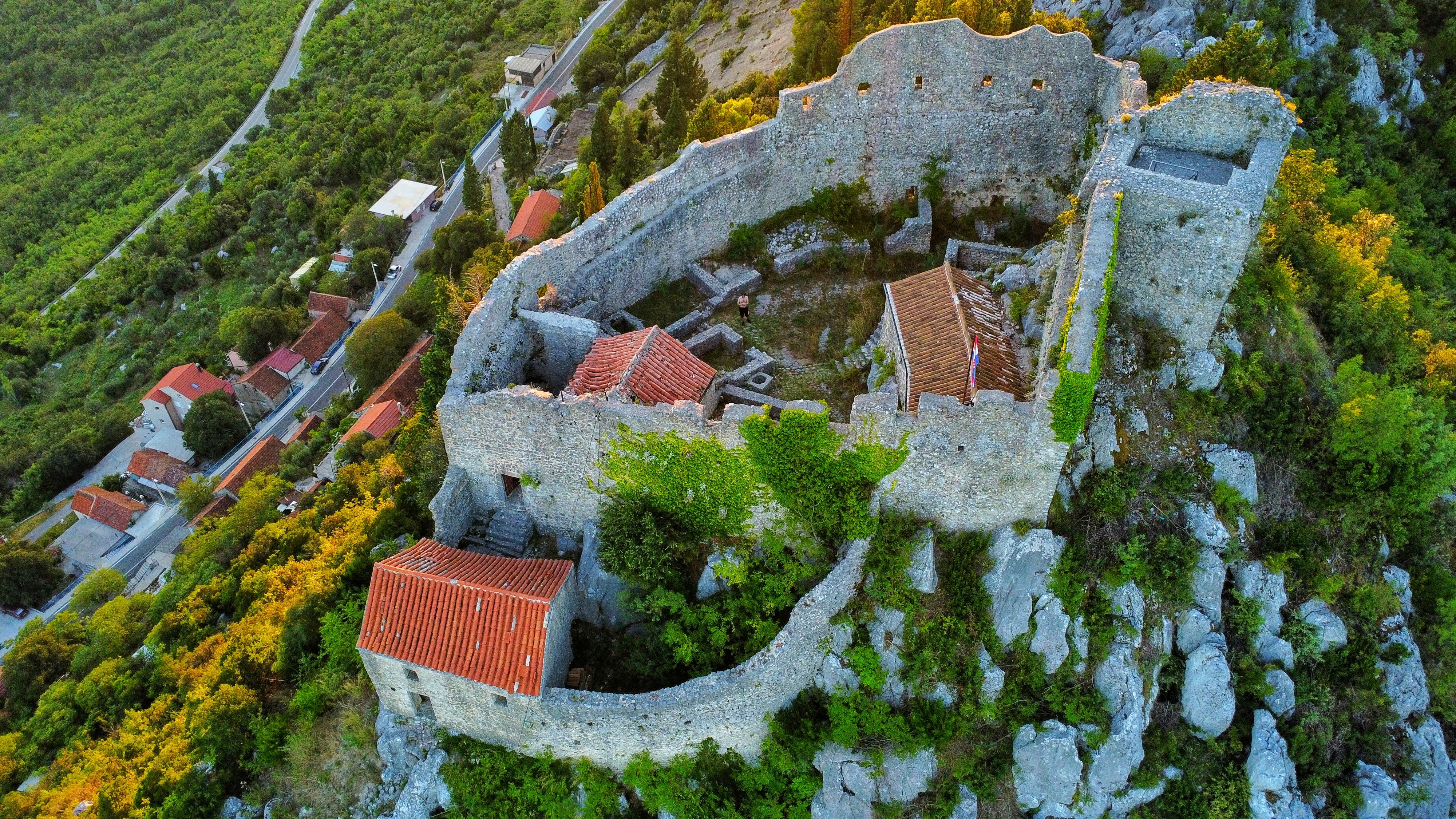
A medieval fortress rebuilt in the 19th century by Count Nugent. It's reached via a staircase of 561 steps from the Trsat neighbourhood. The terrace overlooks the Rječina canyon and the Kvarner Gulf. The nearby Marian sanctuary at Trsat remains an active pilgrimage site.
The Kvarner Maritime and History Museum
Housed in the former governor's palace, it traces the region's maritime history, shipbuilding and ties to the Austro-Hungarian empire. Well-documented collections; paid entry.
Central Market (Velika tržnica)
Iron-framed halls from the early 20th century, still in daily use. Adriatic fish, cheese from the island of Krk, local charcuterie — the finest snapshot of daily Rijeka life.
Photography Tips
Morning light is ideal on the Korzo before crowds gather. For Trsat Castle, favour the golden hour late afternoon: the view over the gulf is then most striking. The industrial port, photographed from the Delta quay, offers unexpected frames blending cranes and sea.
Location and Access
Rijeka sits at the north-eastern tip of the Adriatic, roughly 170 km from Zagreb and 80 km from the Slovenian border. The historic centre is compact and walkable from any central accommodation. The island of Krk is reachable in under an hour via the bridge. Opatija, a Belle Époque resort, lies some fifteen kilometres to the west.
Nearby Attractions
- Opatija — former Austro-Hungarian retreat with Art Nouveau villas and the Lungomare promenade hugging the seafront.
- Island of Krk — Croatia's largest island, connected to the mainland by a bridge; beaches, medieval villages and vineyards.
- Island of Cres — wild and little-visited island, refuge of the griffon vulture, accessible by ferry from Rijeka.
- Pula — approximately 100 km south, for its Roman amphitheatre among the world's best-preserved.
Frequently asked questions
May, June and September offer the best balance of pleasant weather and moderate crowds. February is unmissable if you wish to experience the Carnival.
One day suffices for the historic centre and Trsat. Two to three days allow you to add excursions to Opatija, Krk or Cres.
Yes. Bus connections link the two cities in approximately 2.5 hours. The route crosses the Gorski Kotar massif, spectacular in any season.
Absolutely. Rijeka's port is the main ferry hub to Krk, Cres, Lošinj and Rab. Crossings are short and frequent in season.
No strict dress code in the city. For the Trsat sanctuary, appropriate attire is expected, as in any Catholic place of worship.
Yes. The pedestrian centre, market, Trsat Castle and nearby beaches suit all ages. The Trsat staircase can be avoided by taking the road by car.
Want to discover this destination?
Our local advisors design your tailor-made trip.